




You may also like
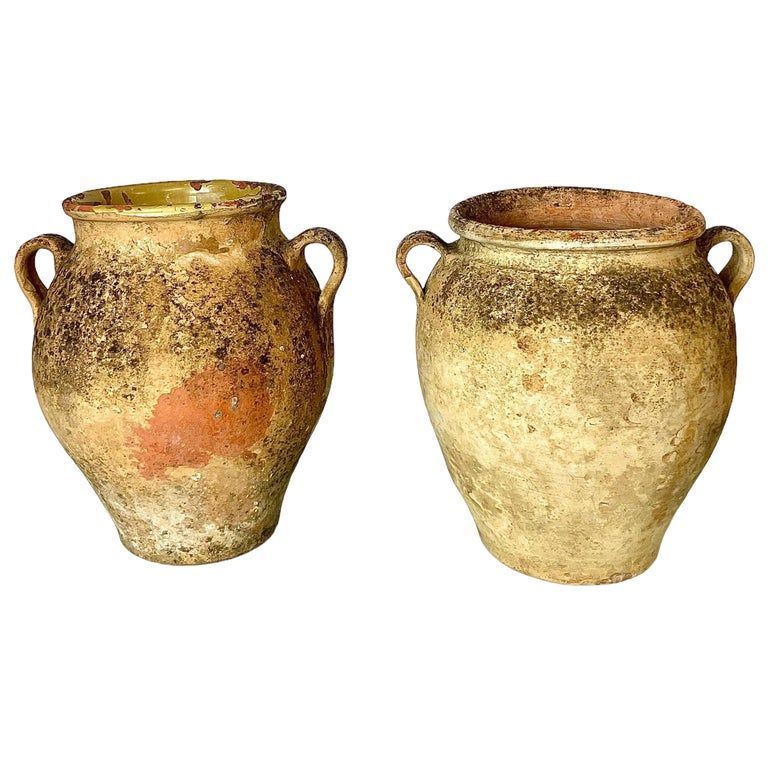
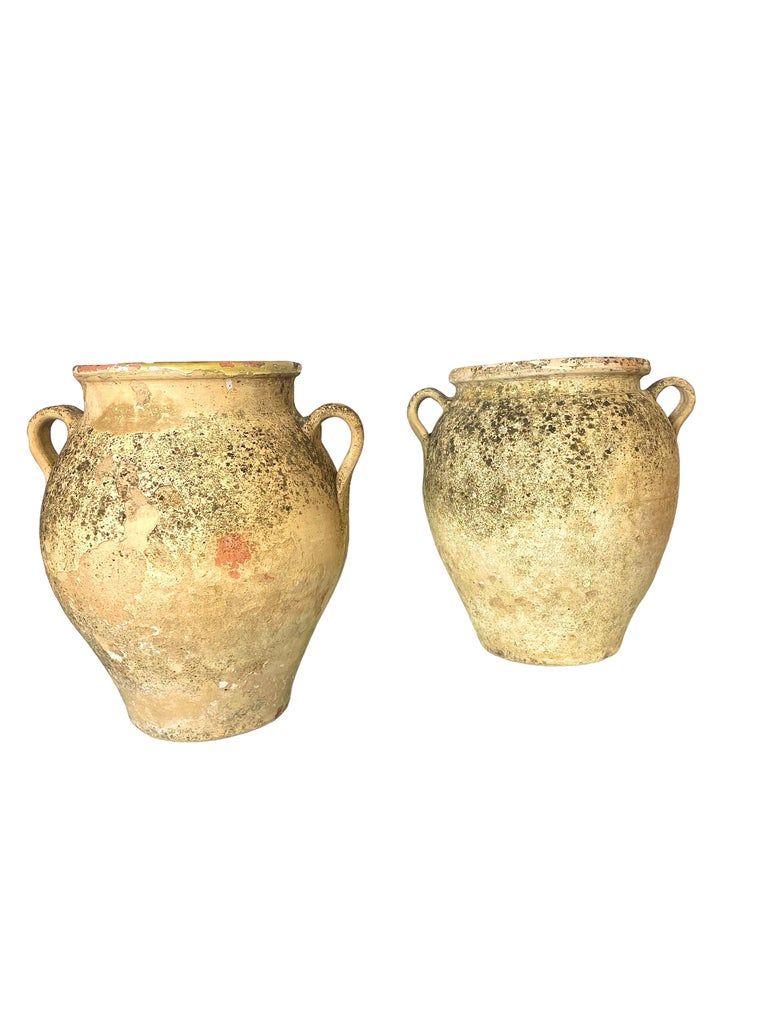
Pair of 19th Century French Terracotta Confit Pots
SKU 00544
Out of Stock
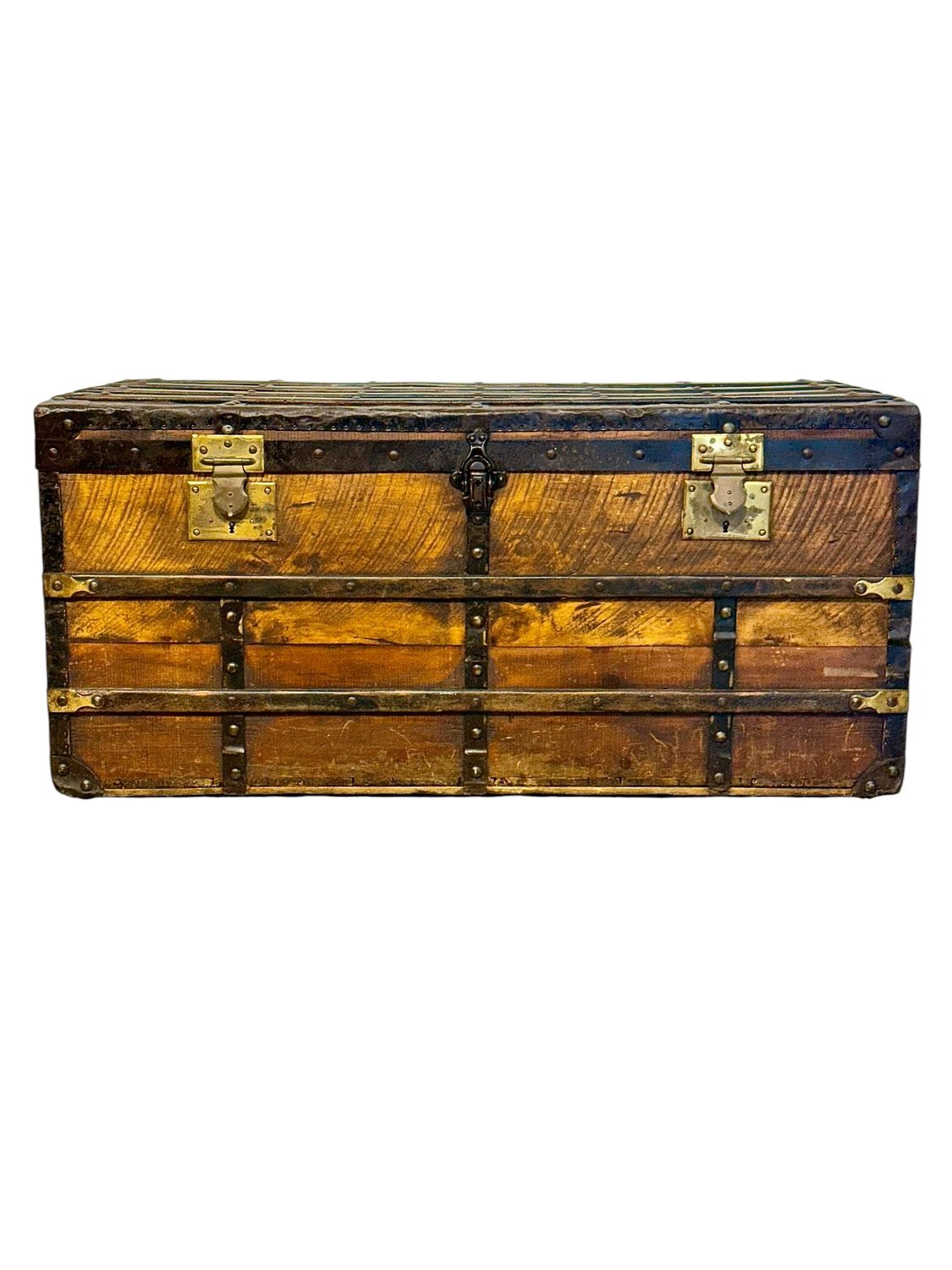
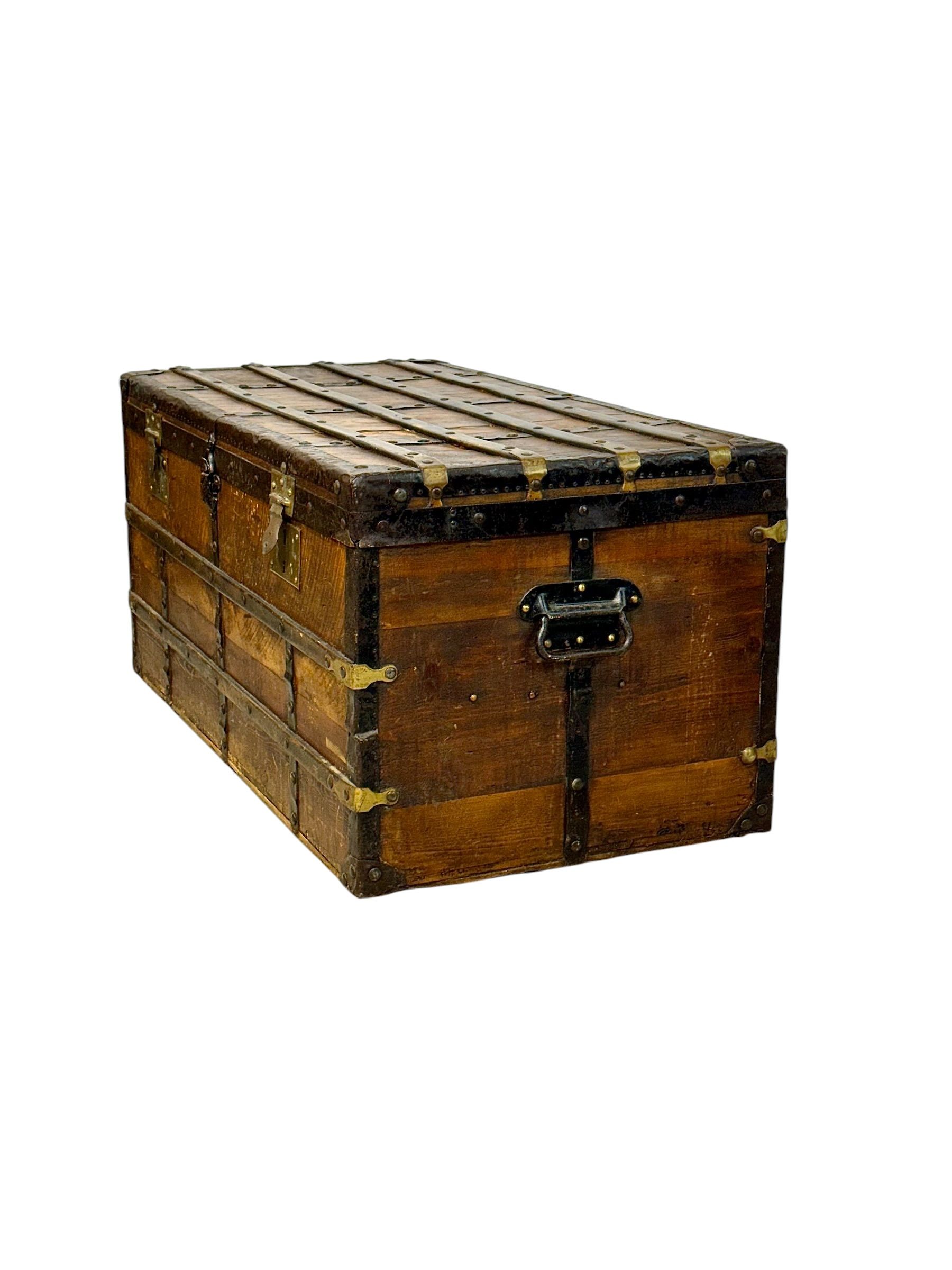
19th Century Wooden Travel Trunk with Iron Straps
SKU TR015
1 770.00€
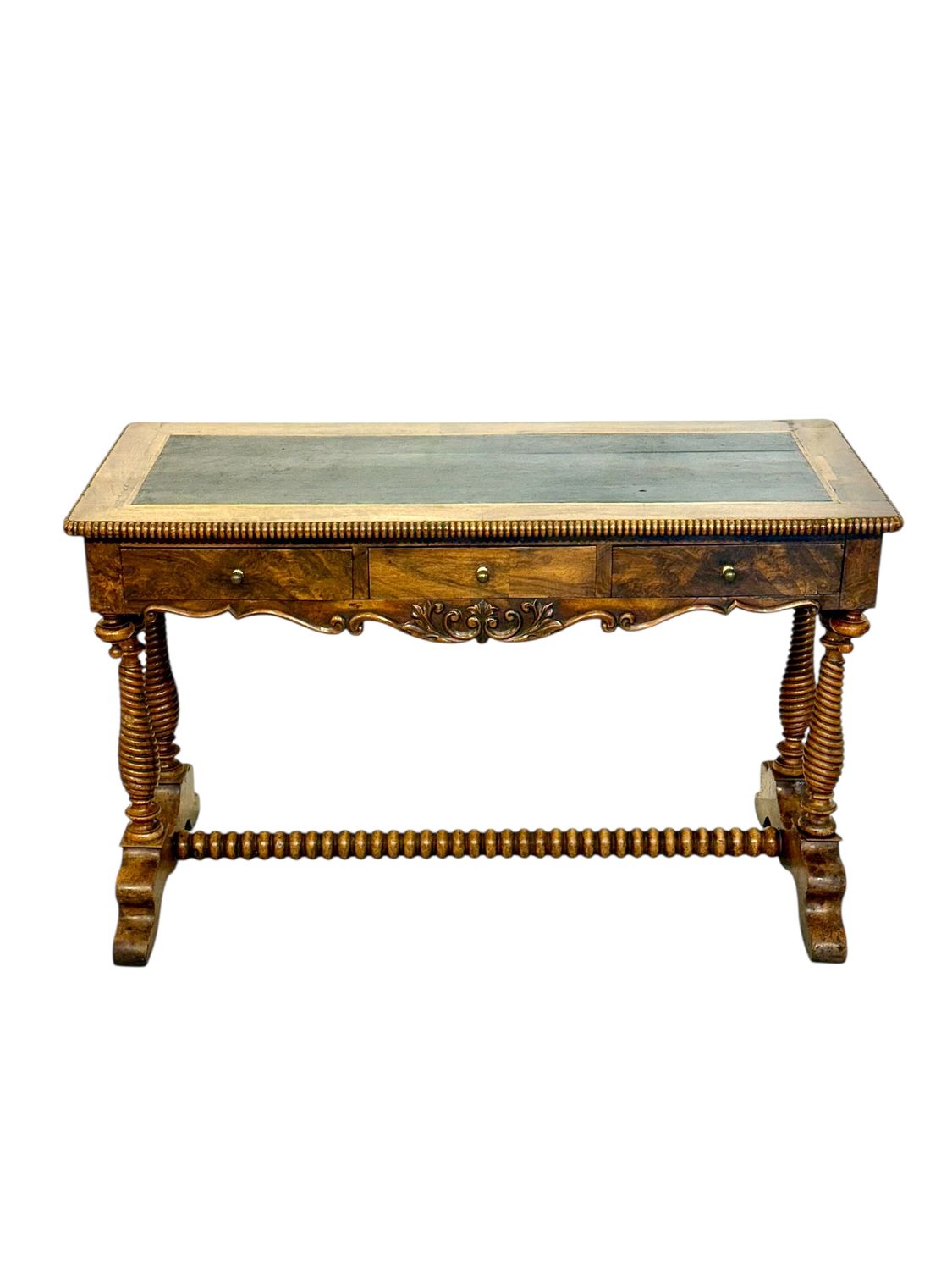
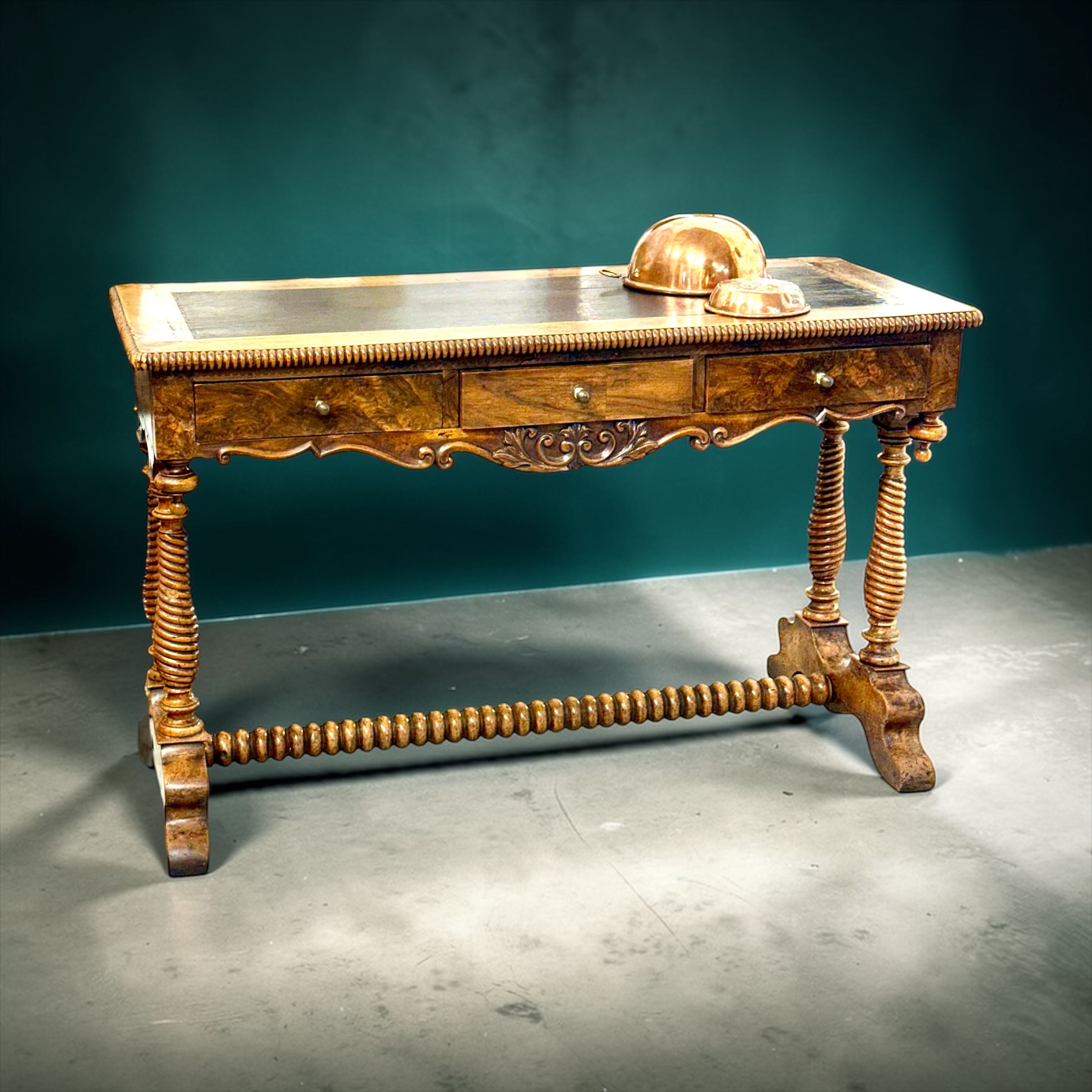
19th Century French Walnut Writing Table with Barley Twist Legs
SKU DESK022
2 510.00€
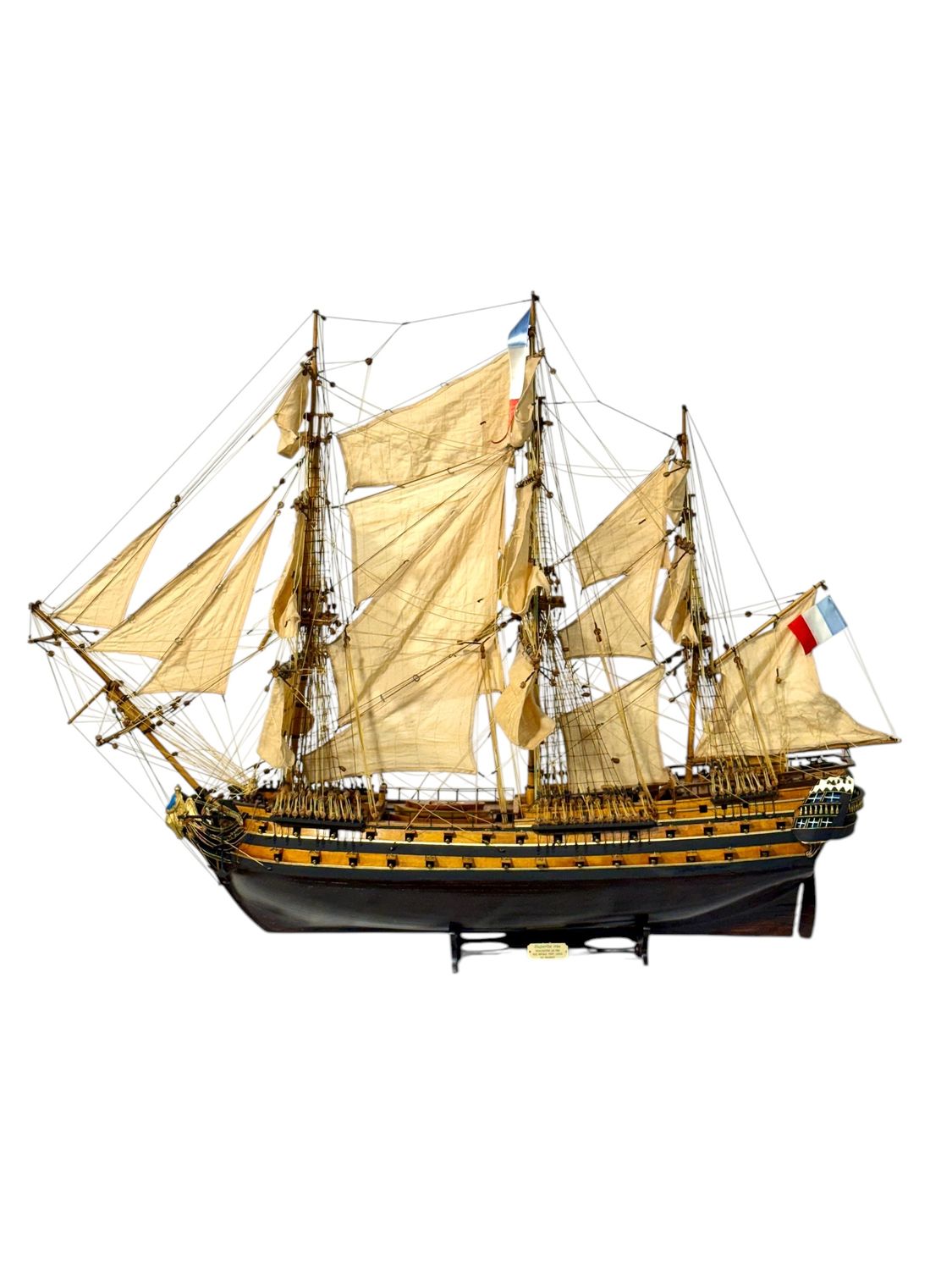
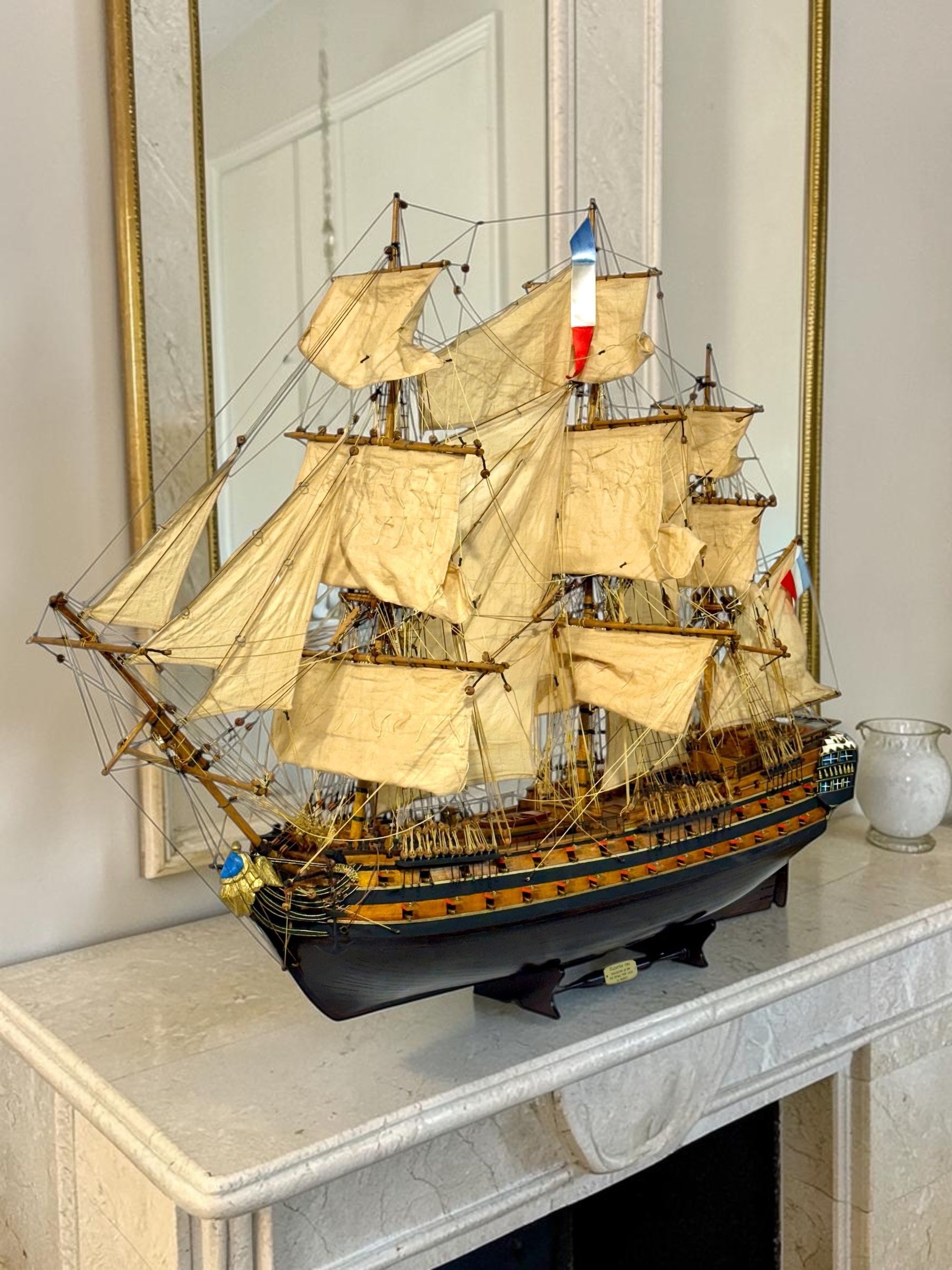
Large French Warship Model "Le Superbe" 1784, Handcrafted
SKU D284
3 930.00€
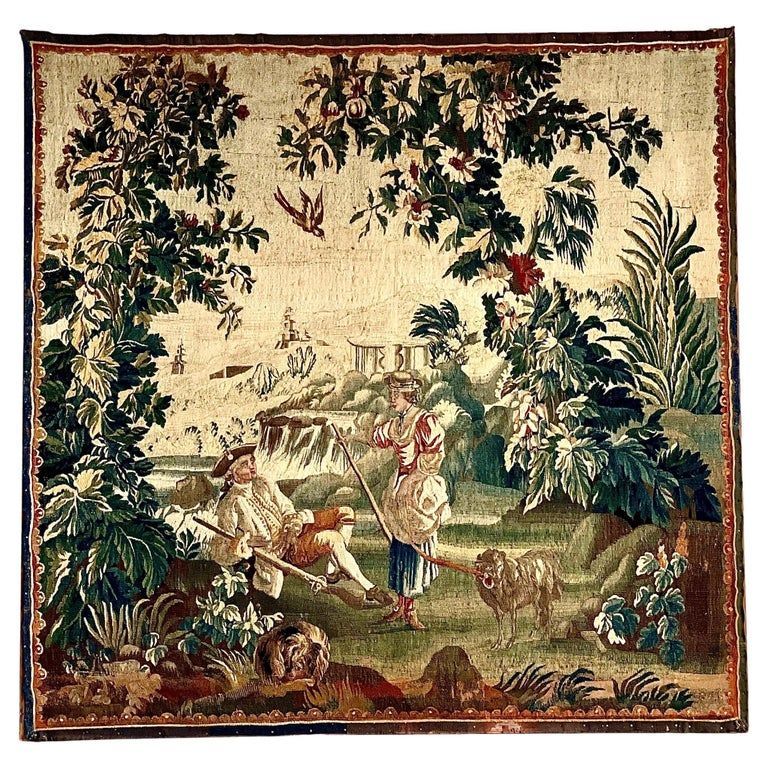
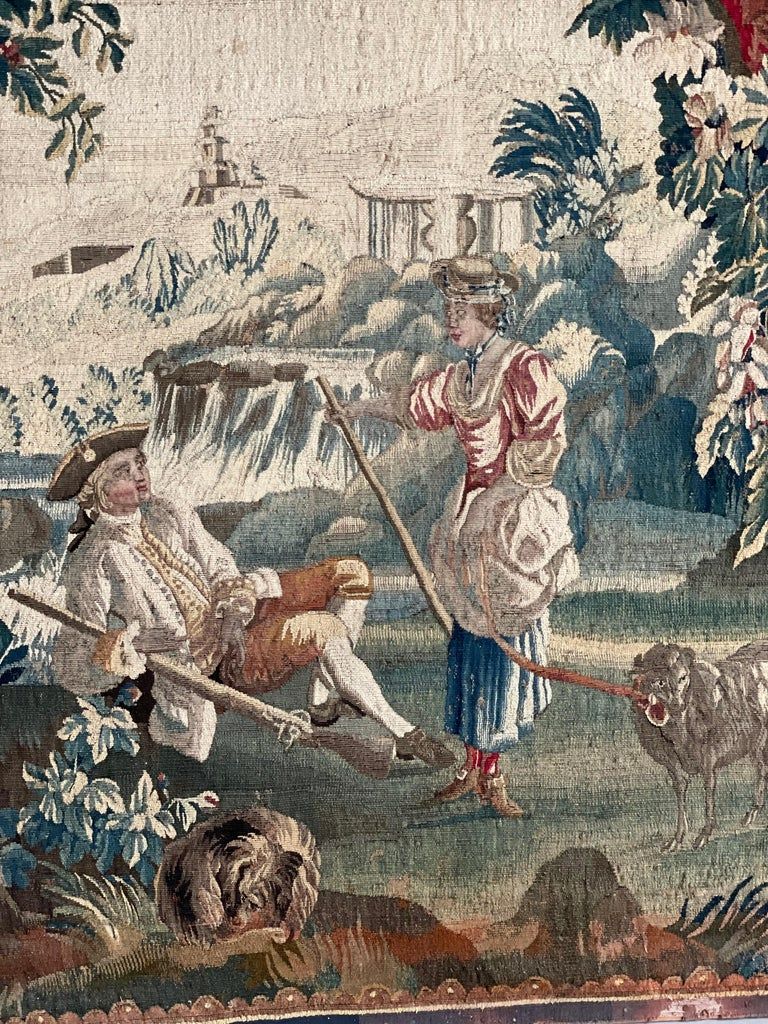
Fine and Rare Pastoral Aubusson Tapestry, France 18th Century
SKU 00717
6 960.00€
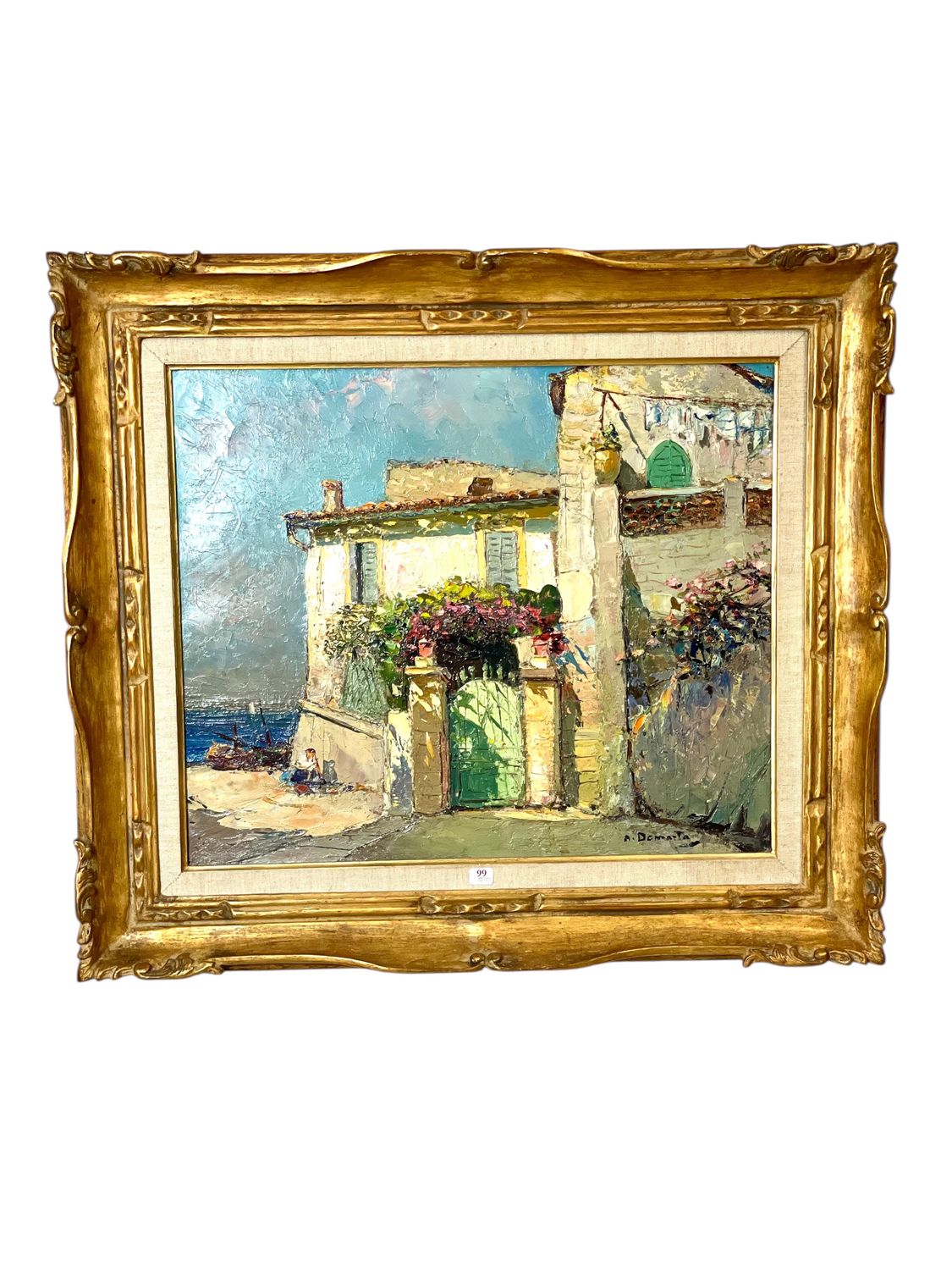
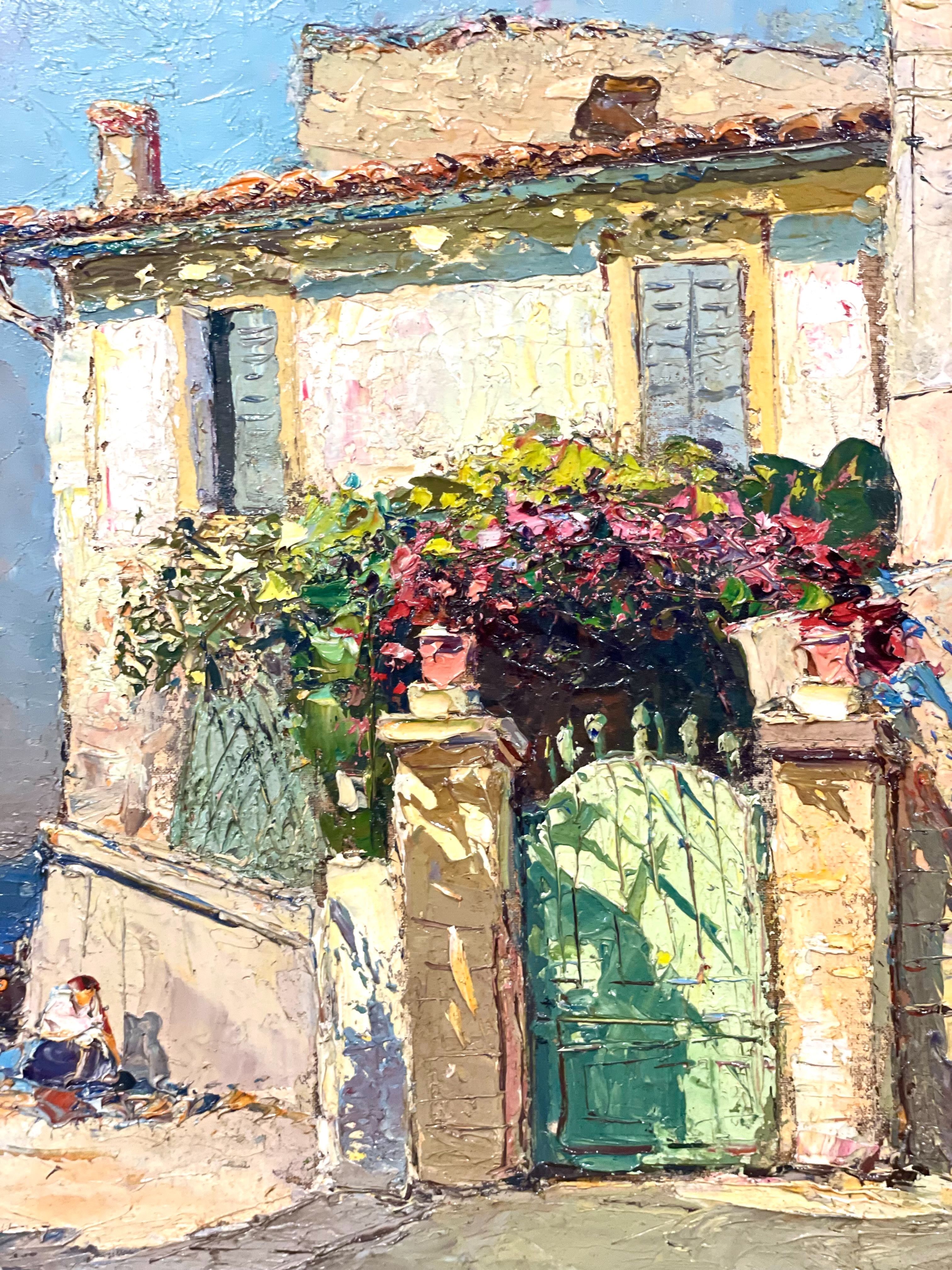
Oil on Canvas, Sunlit French Riviera House by the Sea, by Alain Demarta
SKU 00335
1 470.00€
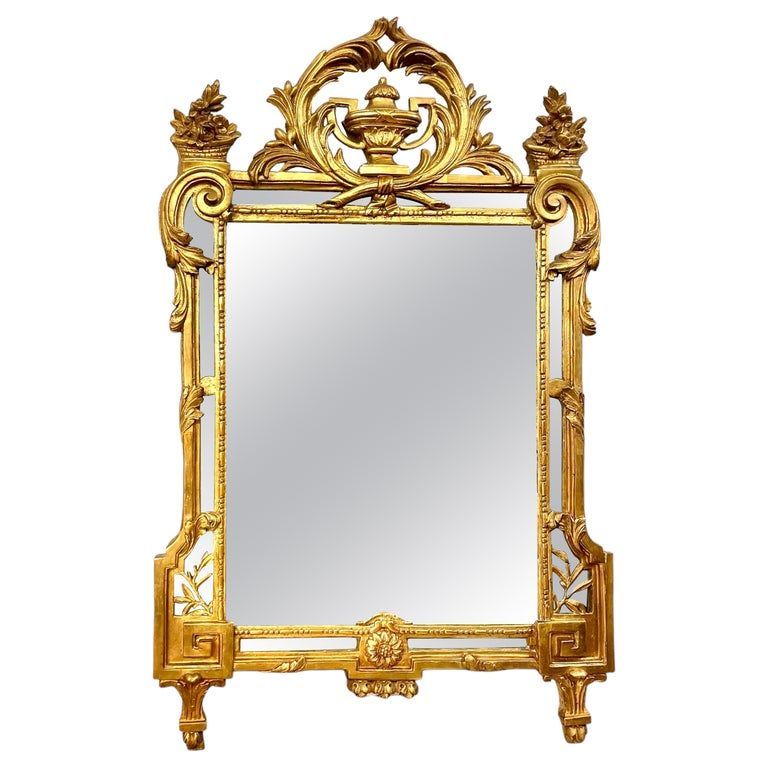
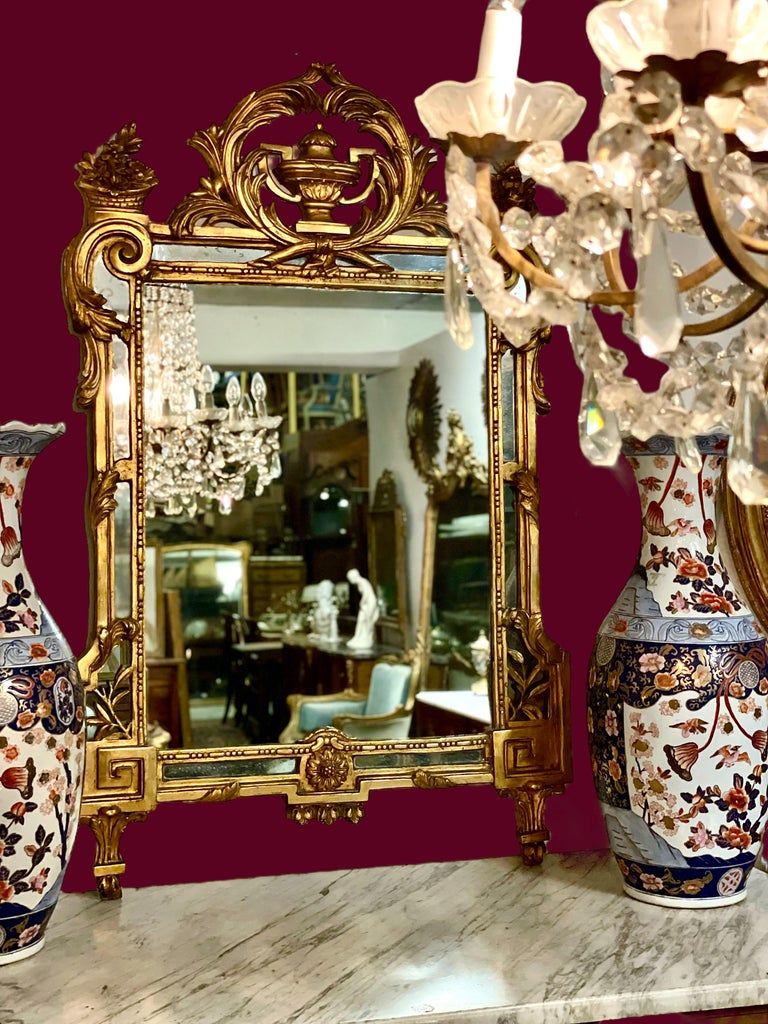
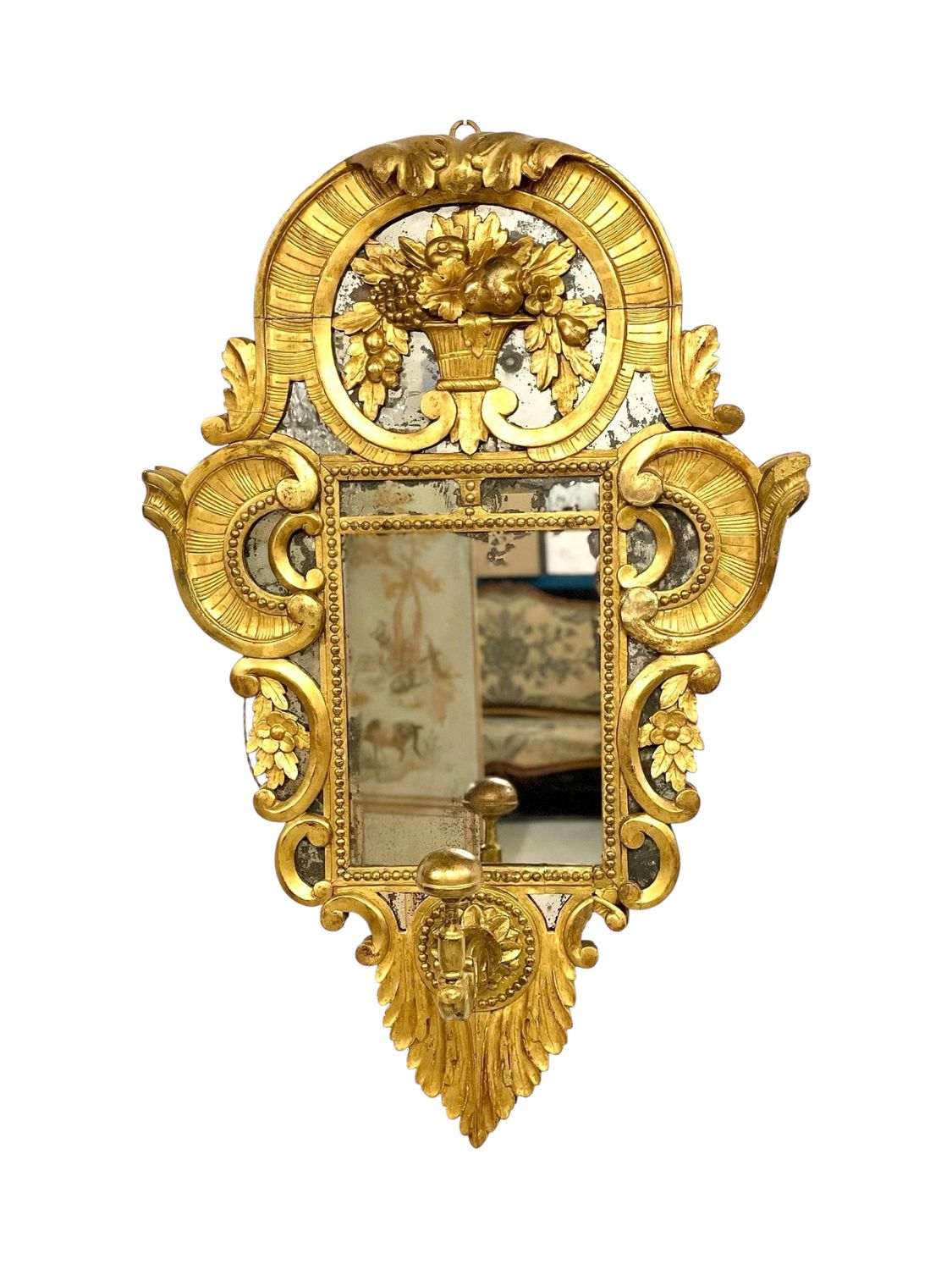
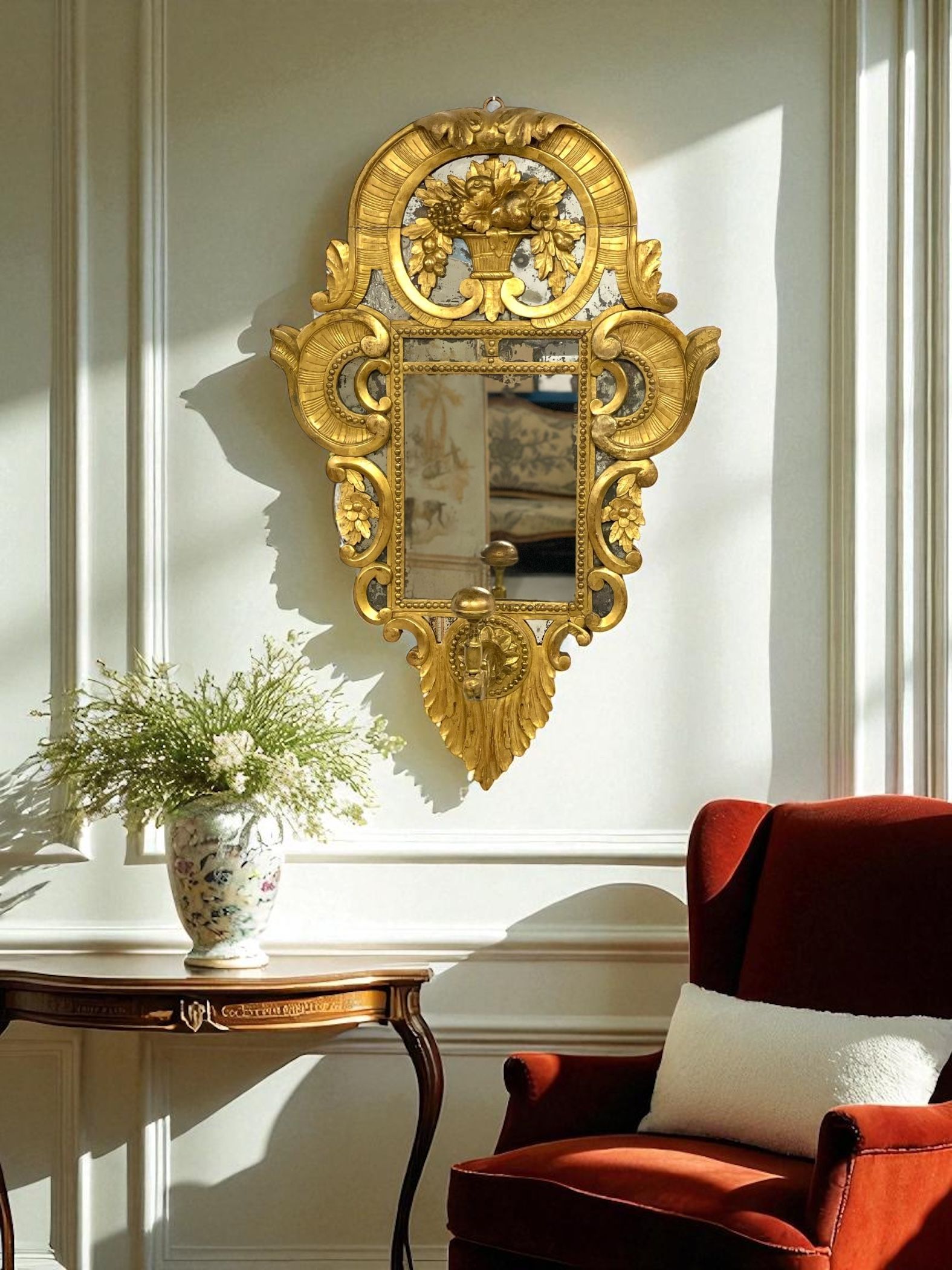
Rare and Fine Louis XVI Period Giltwood Pareclose Mirror, 18th Century
SKU 00466
Out of Stock
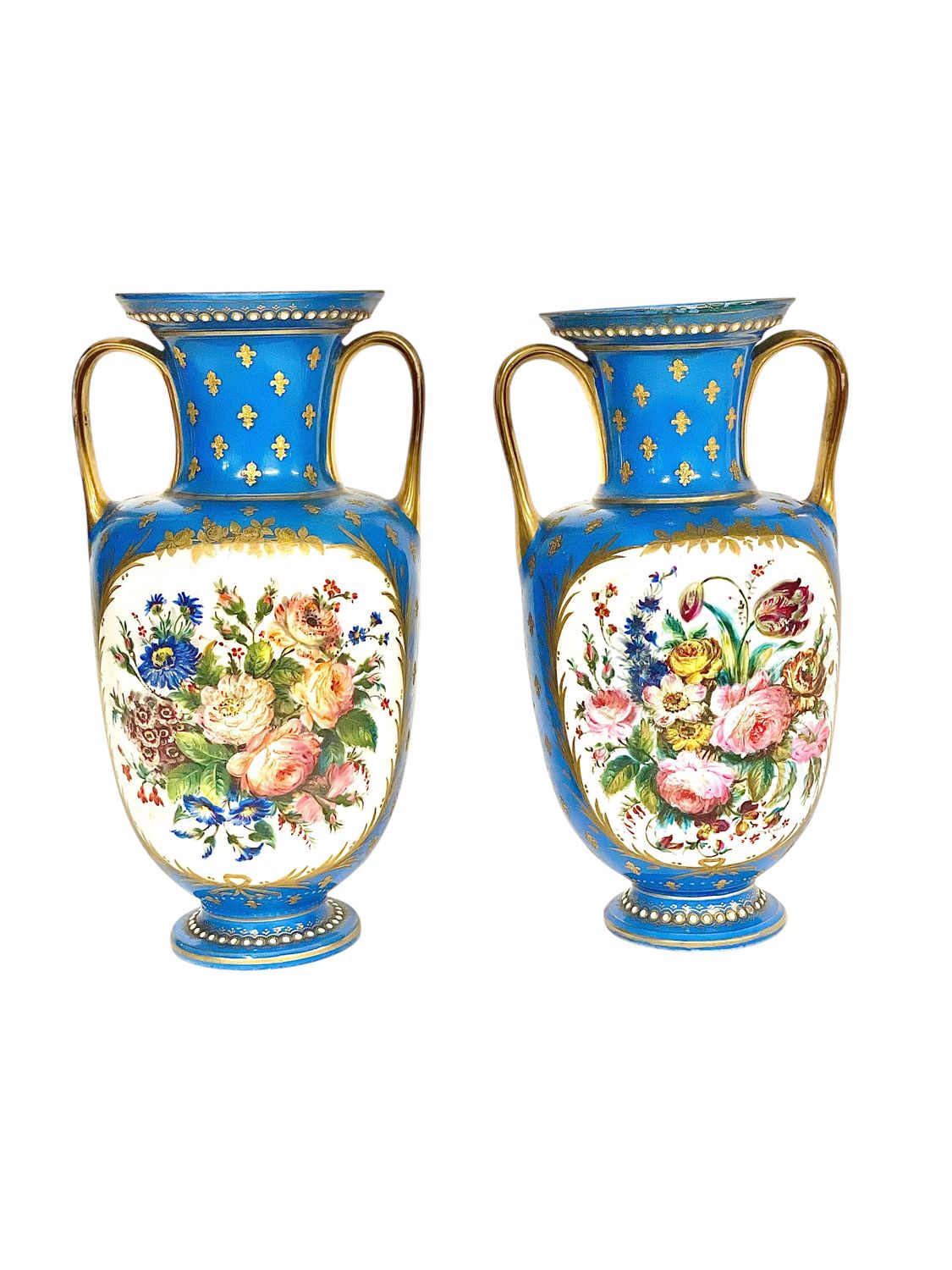
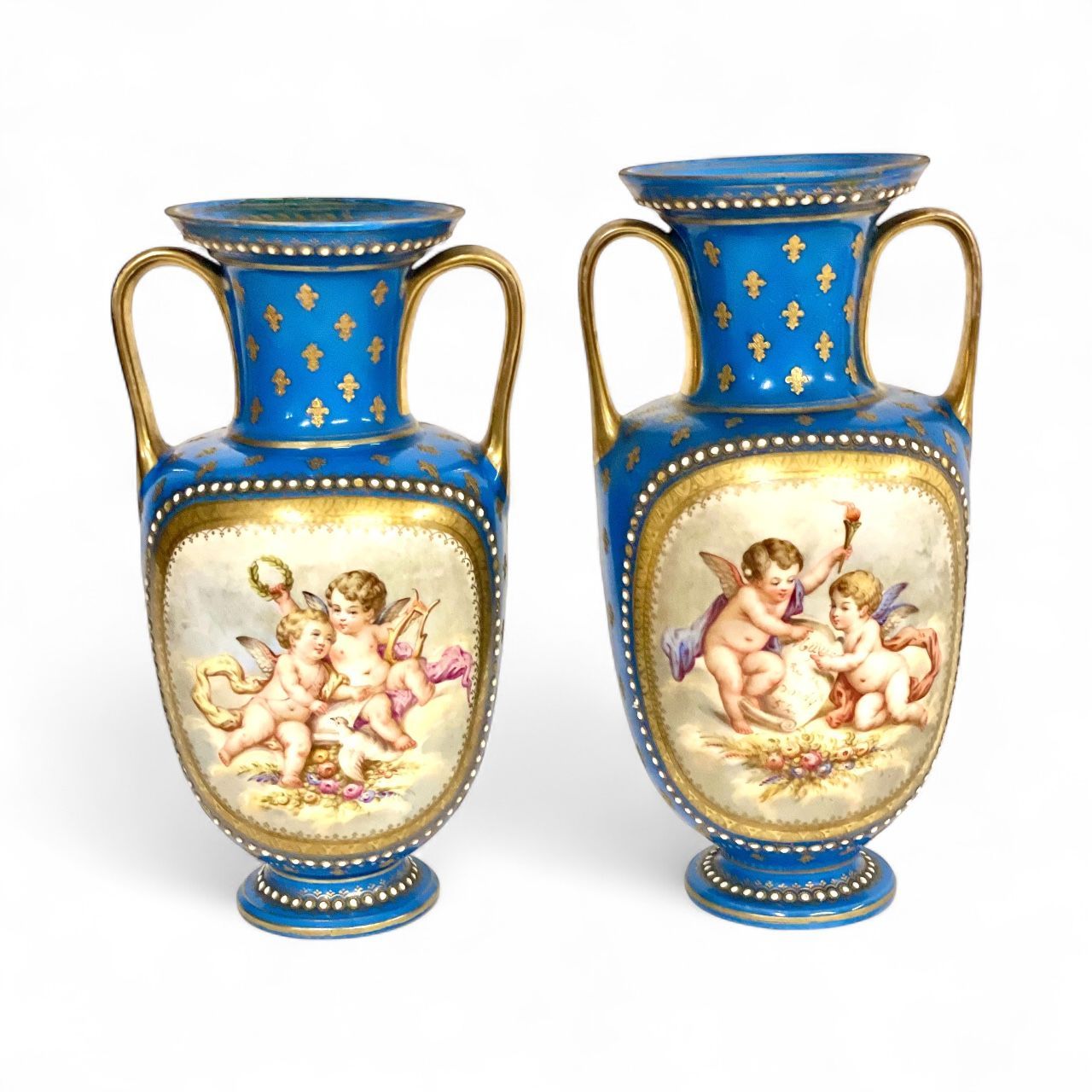
Pair of 19th Century Sèvres Porcelain Vases with Cherubs and Flowers
SKU 00292
1 940.00€
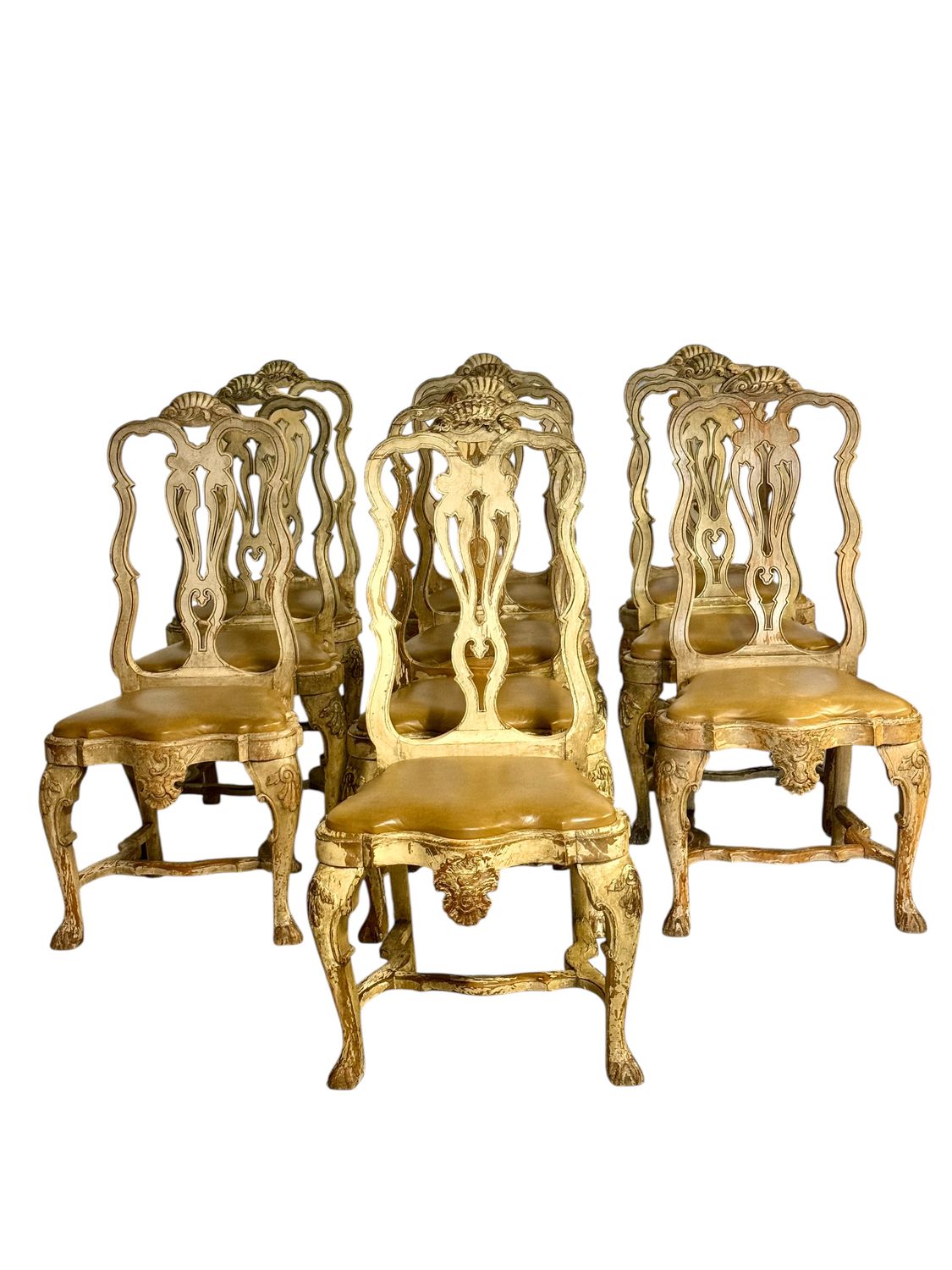
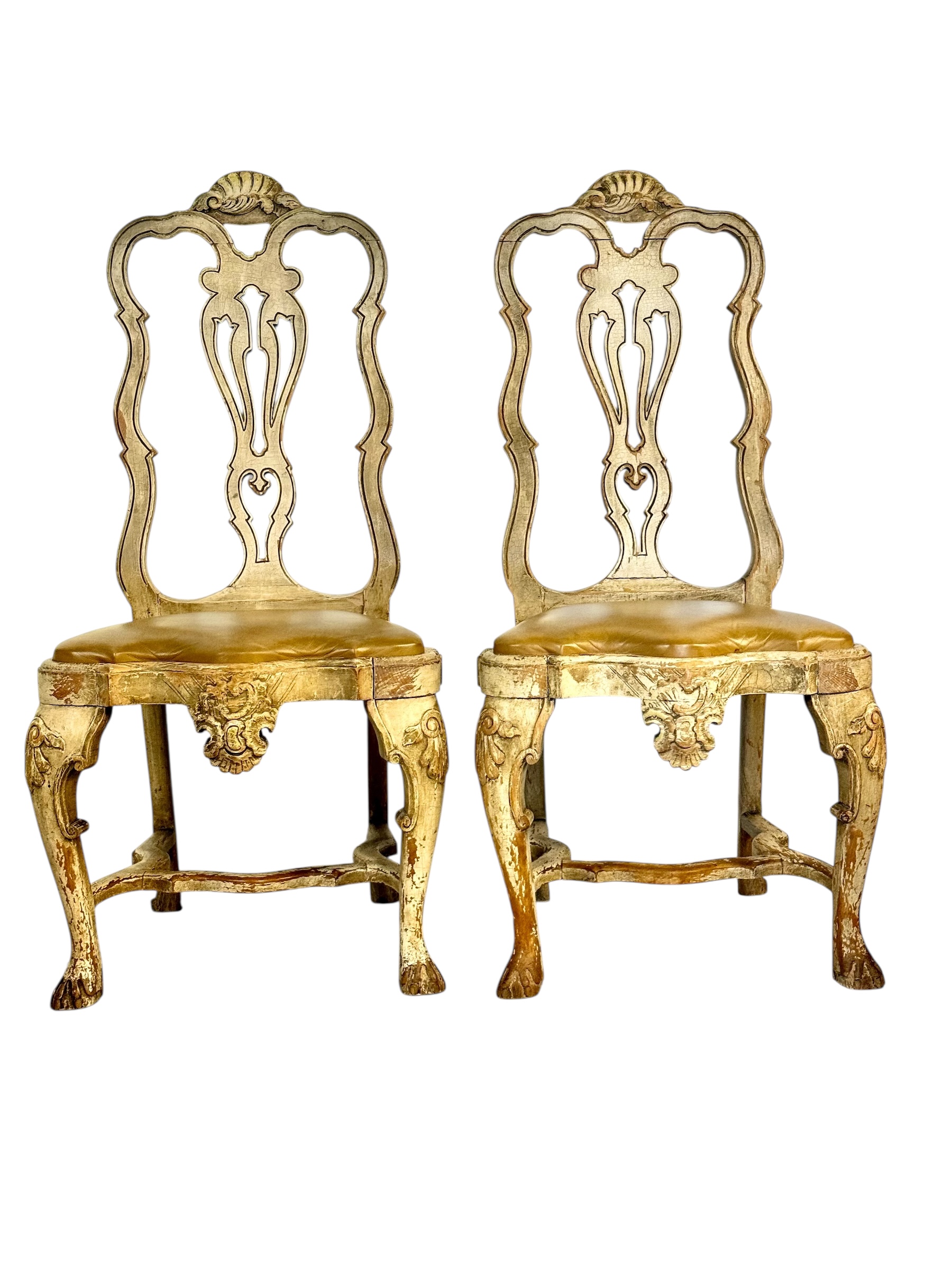
Rare Set of 10 Italian Rococo Dining Chairs with Distressed Patina, c.1800
SKU 00207
Out of Stock
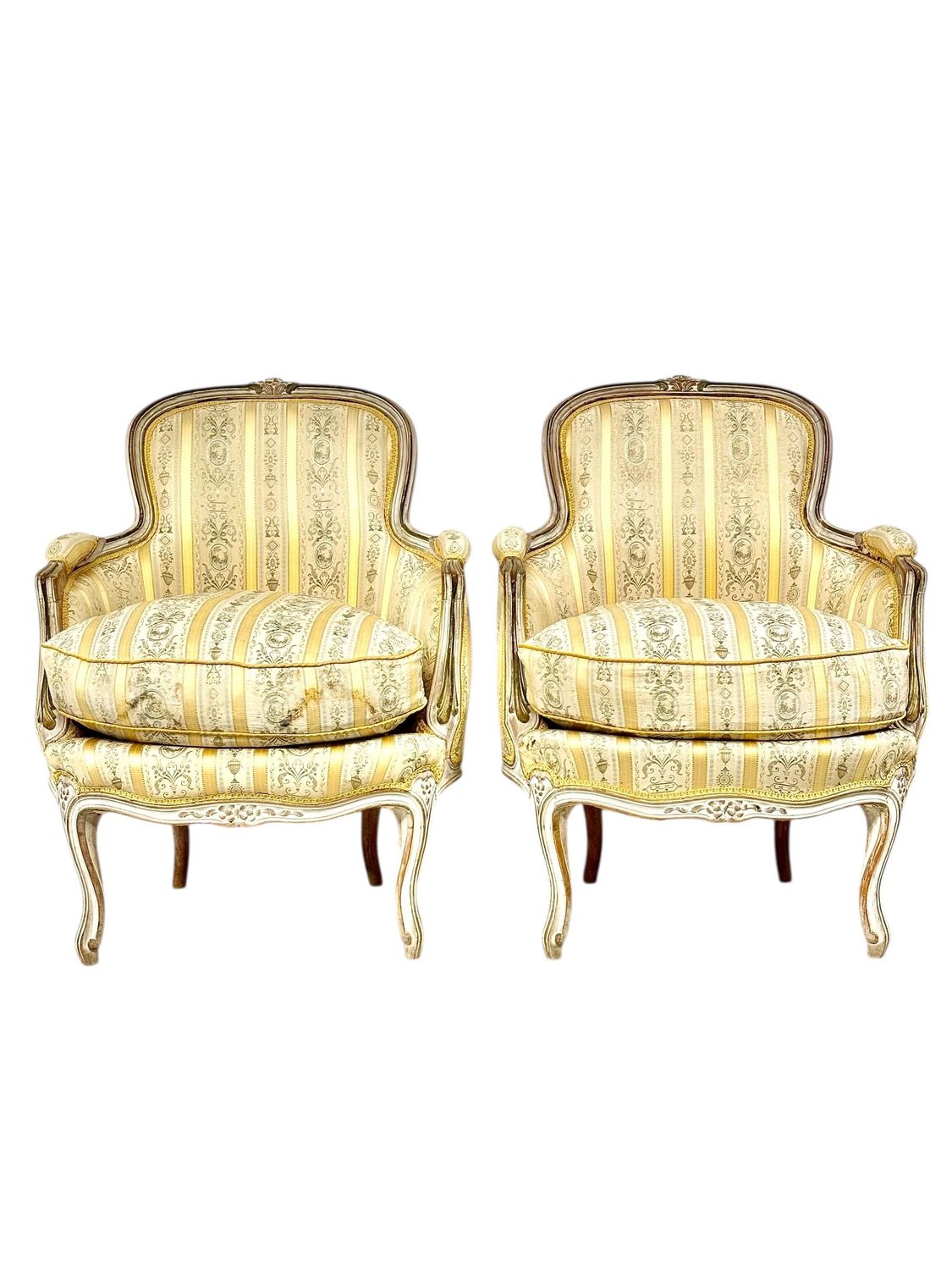
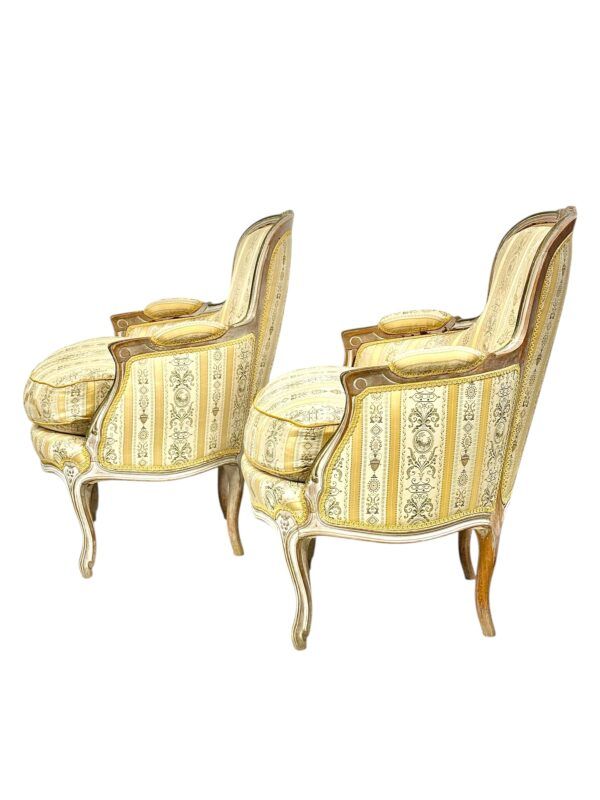
Pair of 19th c. French Louis XVI Style Bergères with Silk Blend Satin Upholstery
SKU 00001
3 220.00€
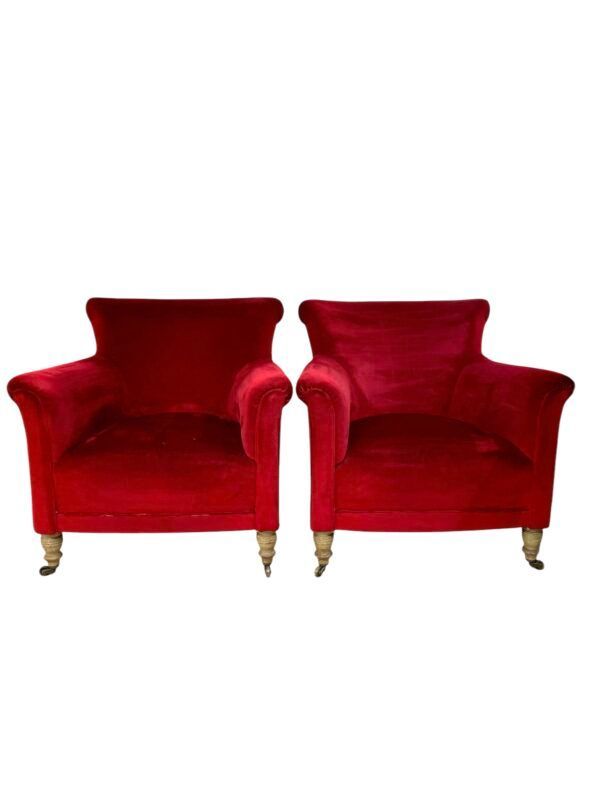
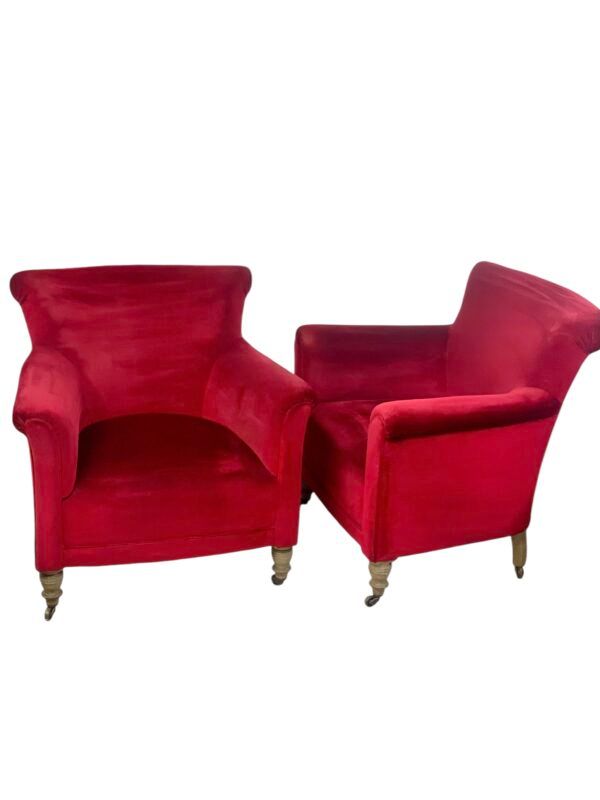
Pair of Napoleon III Period Crimson Velvet Bergere Chairs with wheels
SKU 00091
2 500.00€
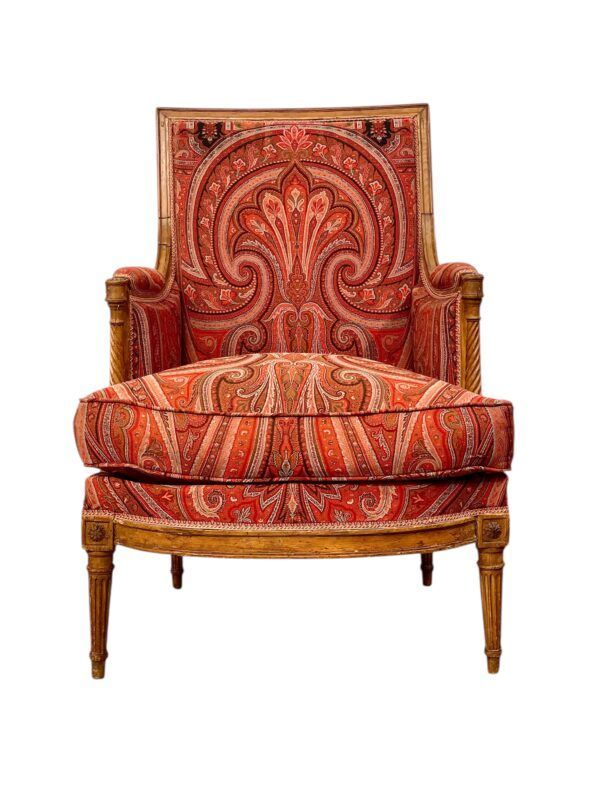
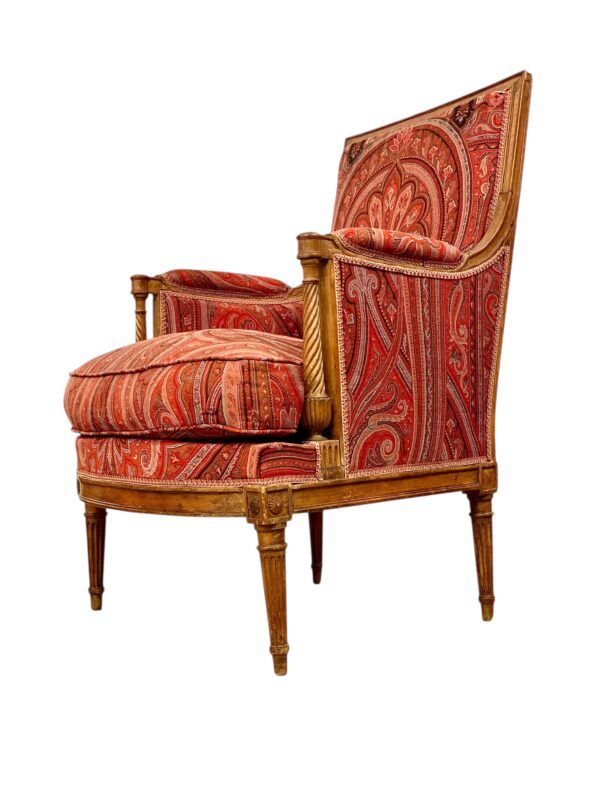
18th Century Directoire Bergère Chair with Paisley Upholstery
SKU 00023
2 900.00€
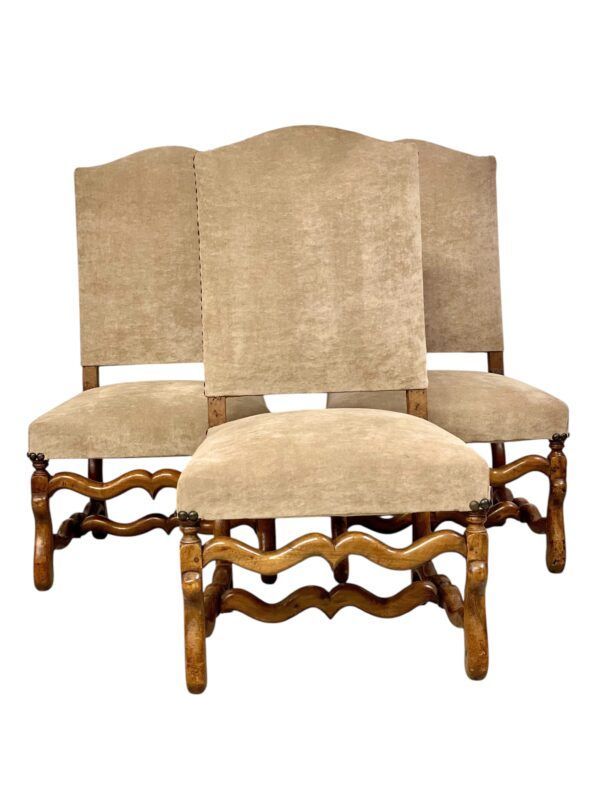
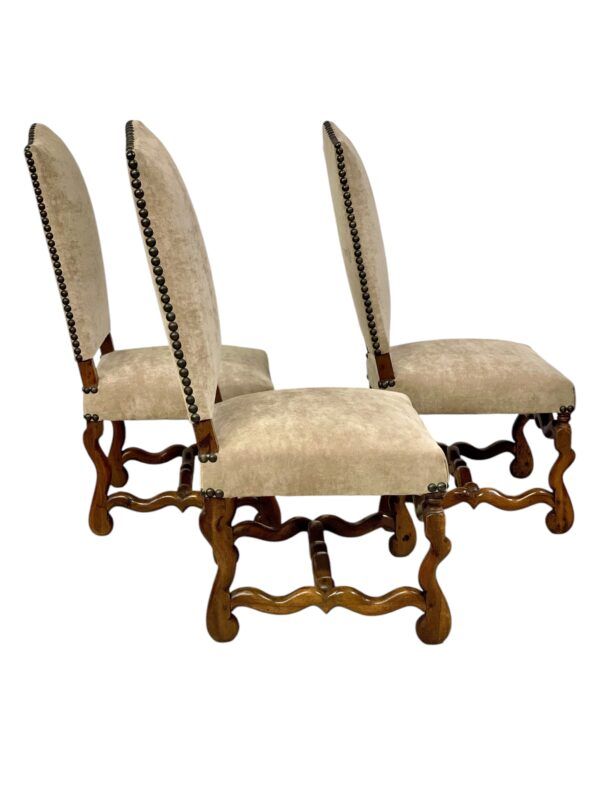
Three 17th Century Louis XIII Walnut Chairs with Velvet Upholstery
SKU 00045
3 530.00€
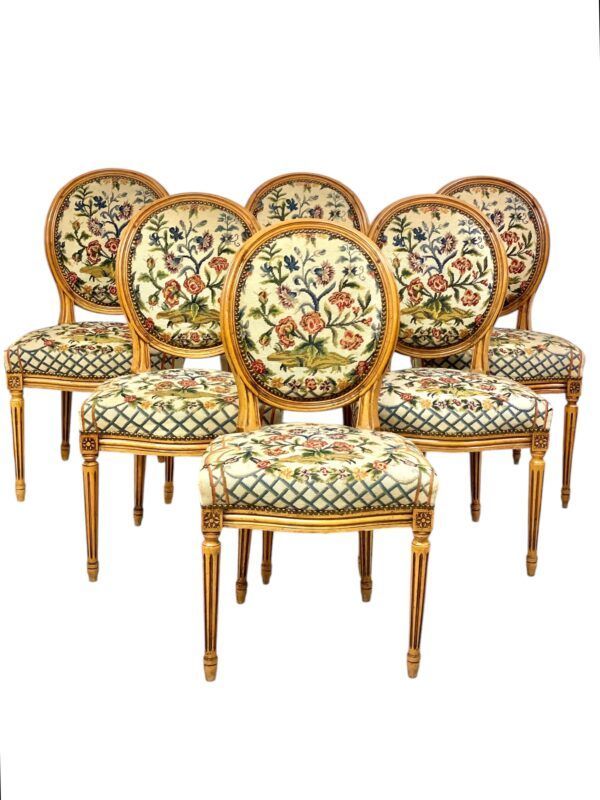
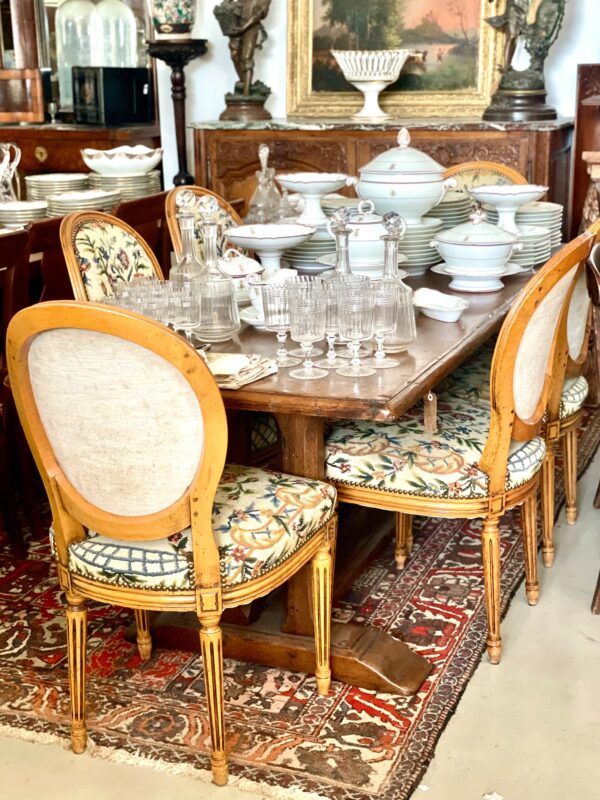
19th Century Set of 6 Louis XVI Dining Chairs
SKU 00088
Out of Stock
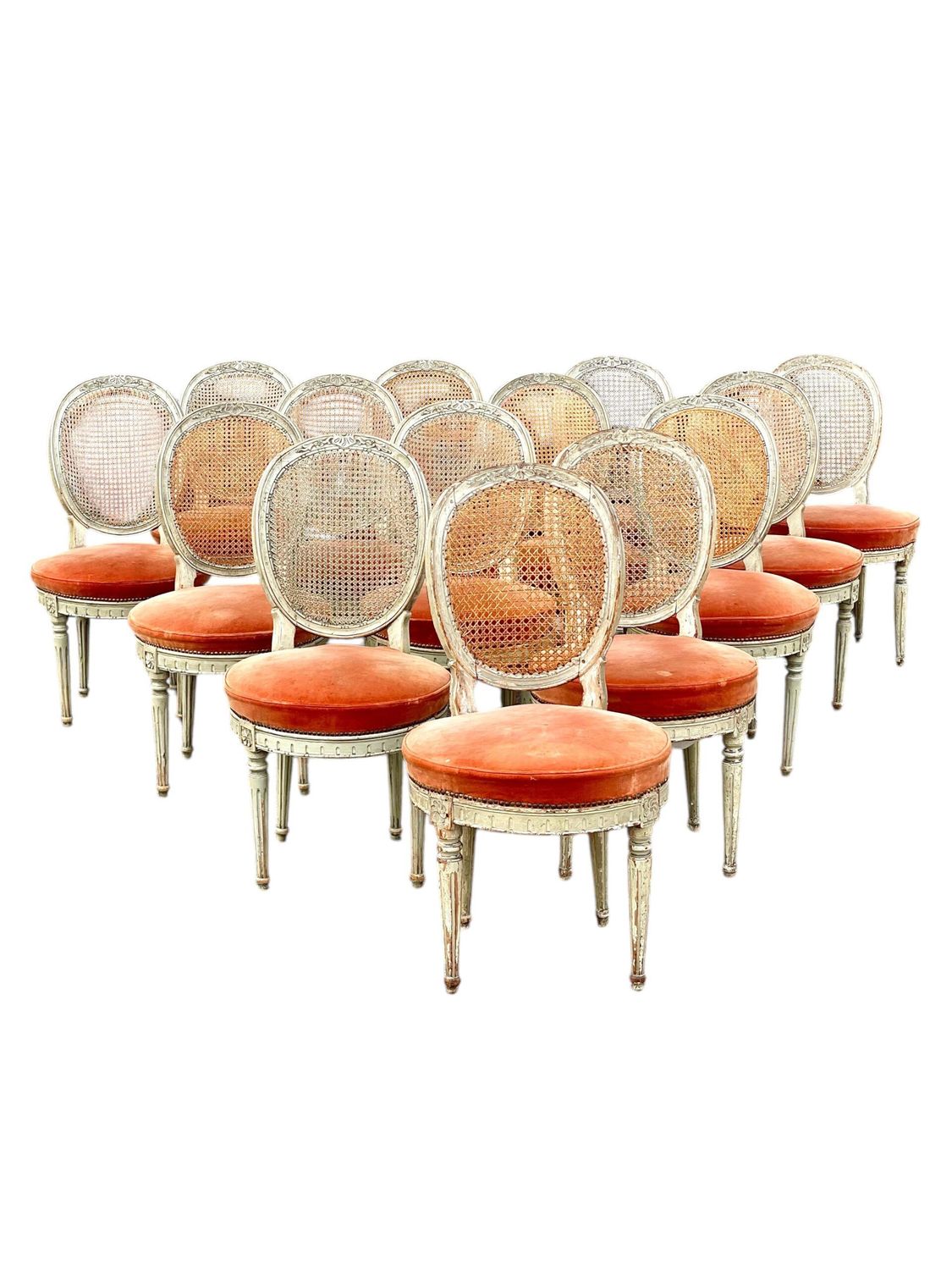
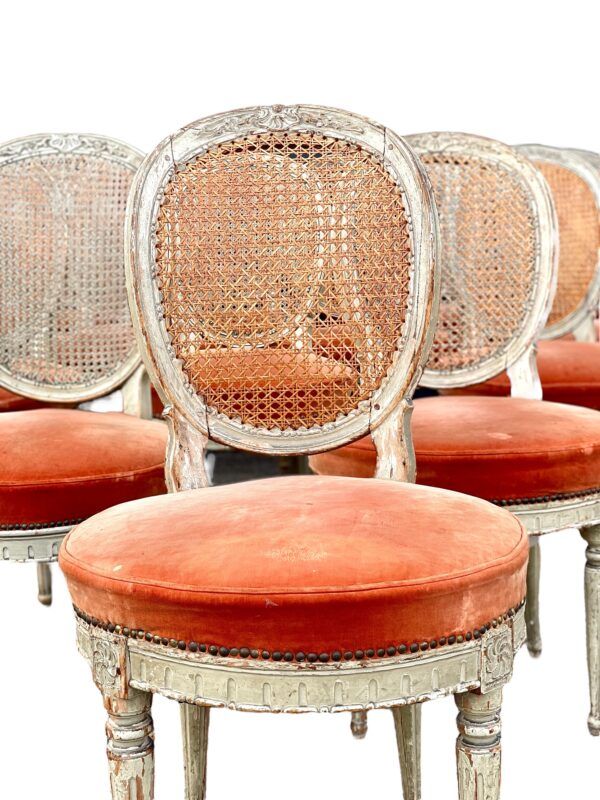
Rare Set of 14 Louis XVI Period Dining Chairs with Cane Back and Velvet Seats
SKU 00084
25 500.00€
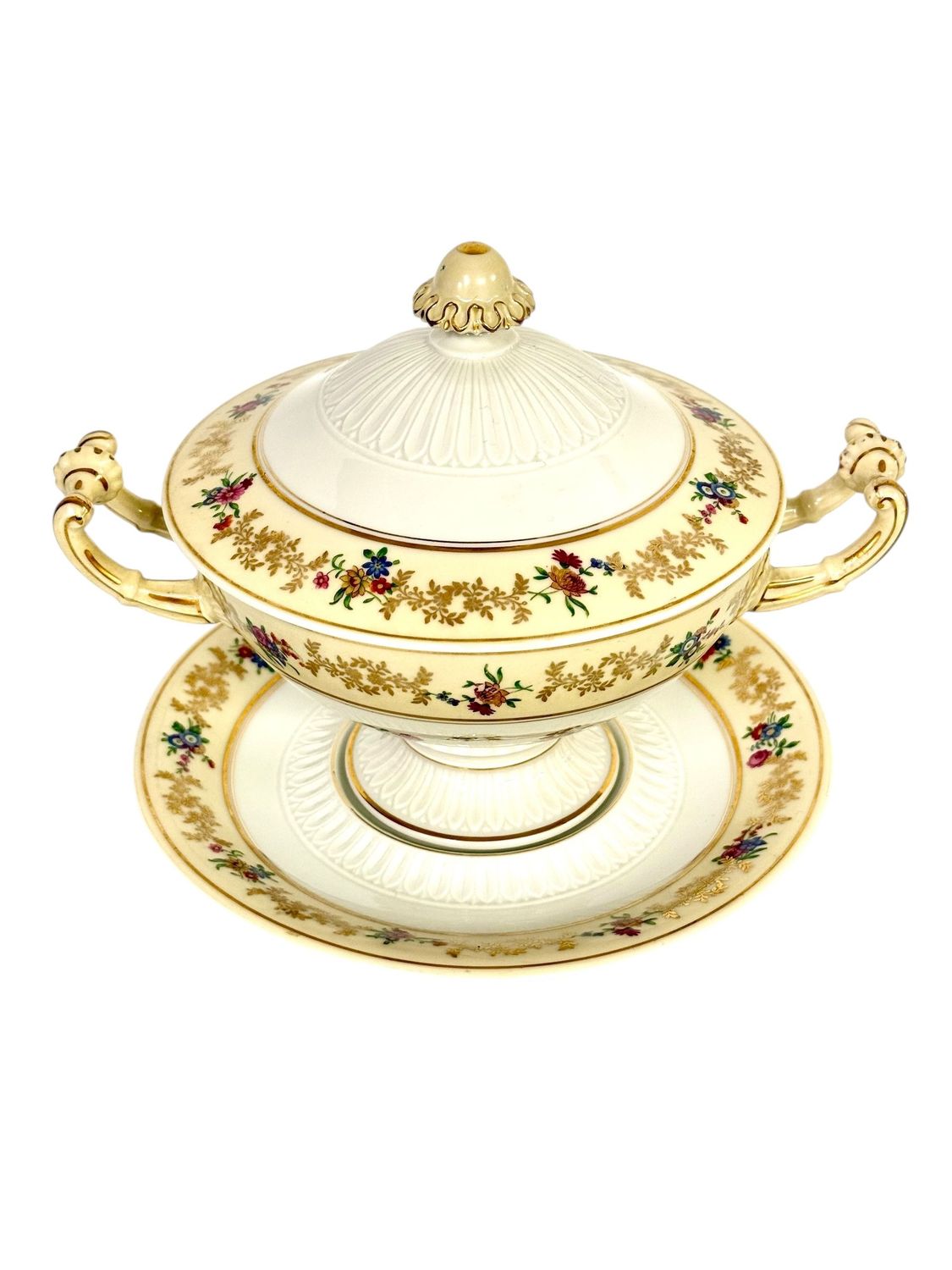
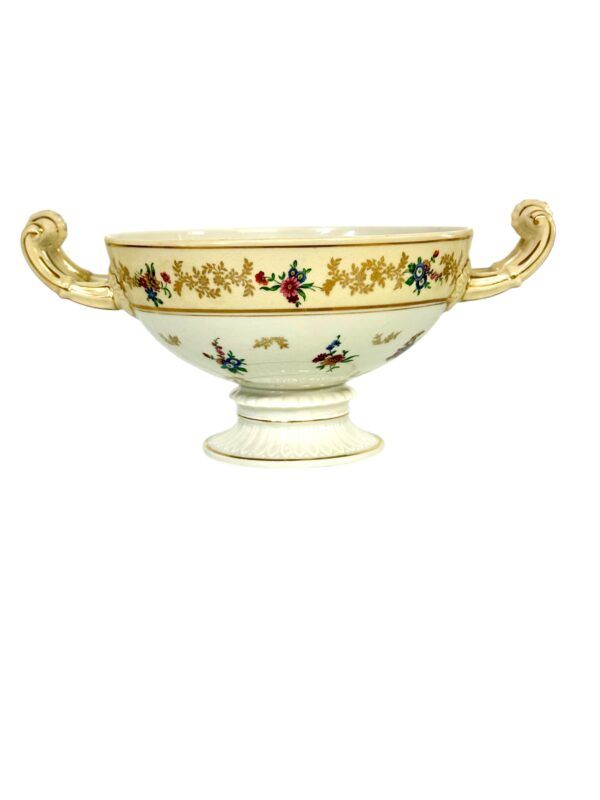
Antique French Limoges Bouillon Bowl by Raynaud & Cie, Swan Mark, c. 1895
SKU 00002
1 390.00€
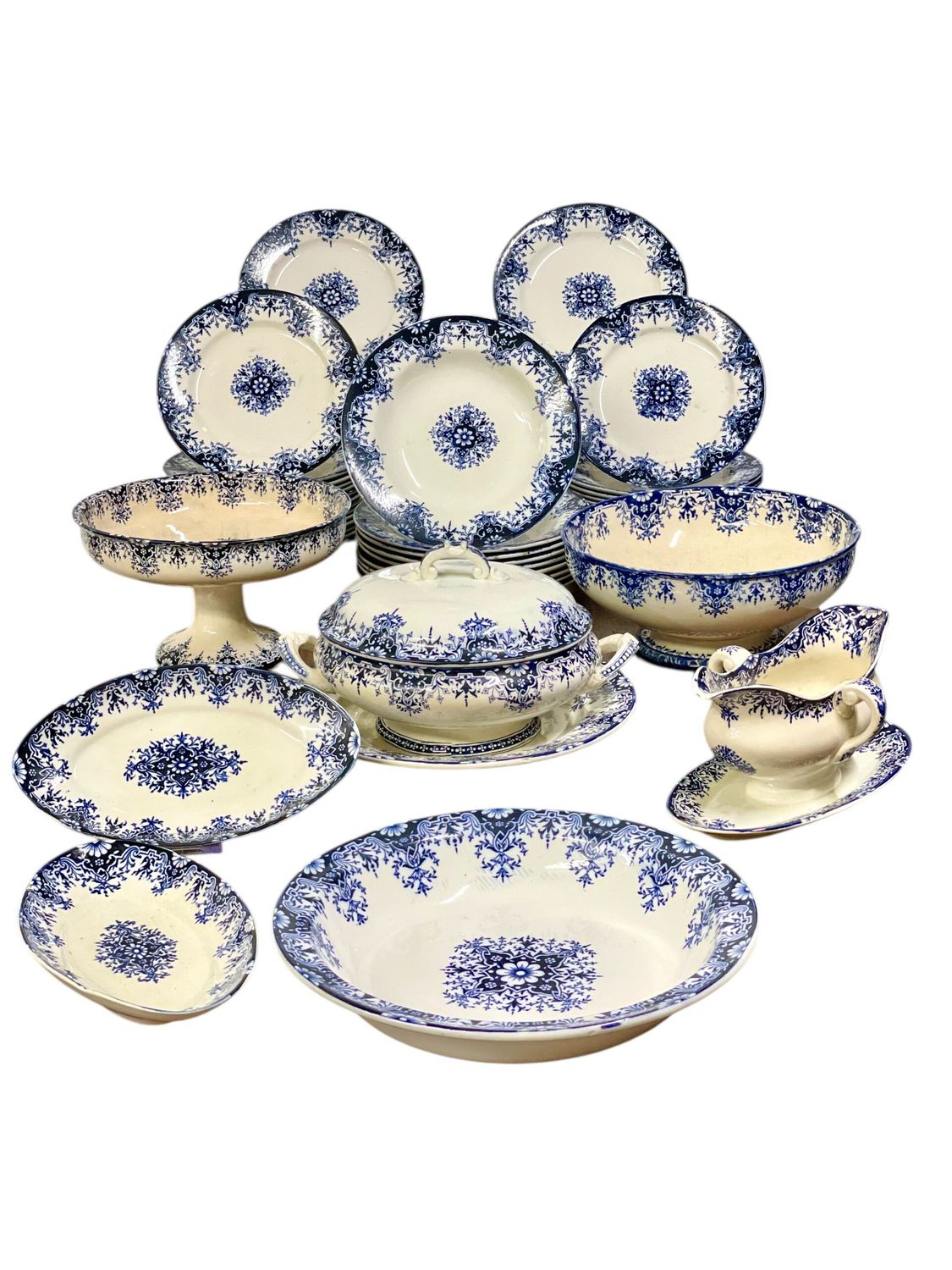
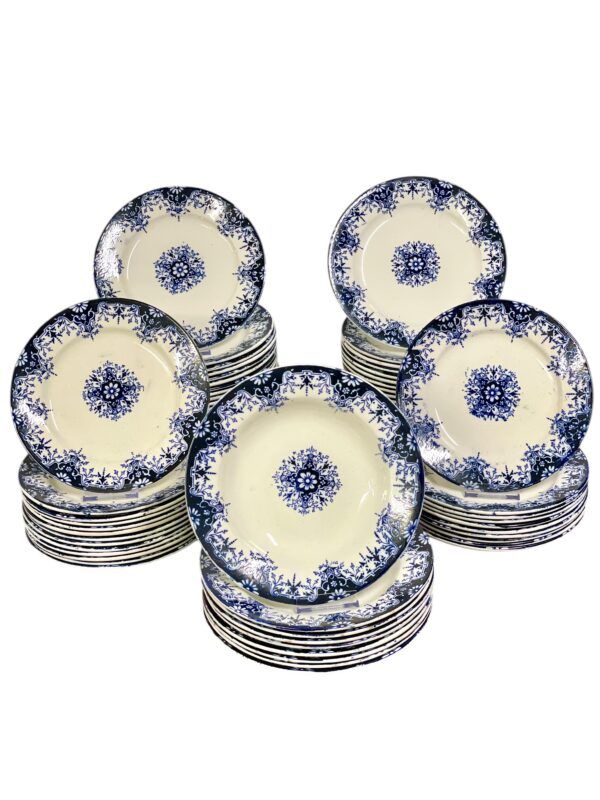
Faience Dinner Service Table with Blue Decoration, France 19th Century
SKU 00063
3 800.00€
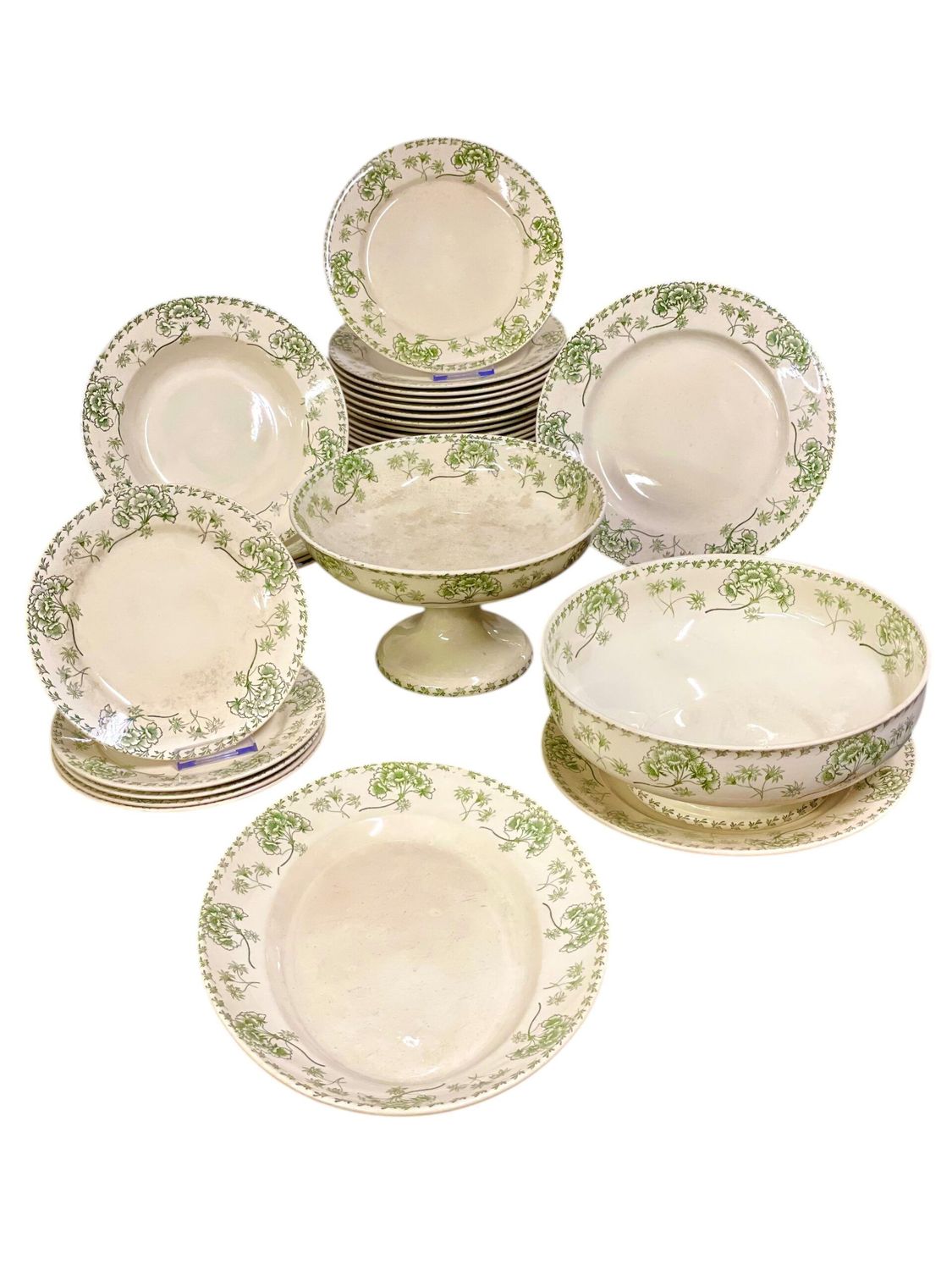
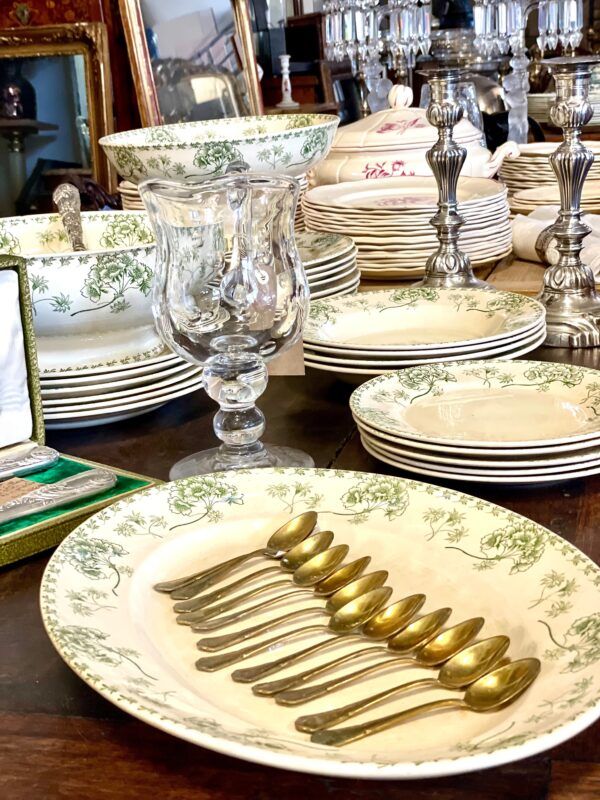
Sarreguemines Palmyre Green Floral French Antique Dinnerware Set – 26 pieces
SKU 00065
2 200.00€
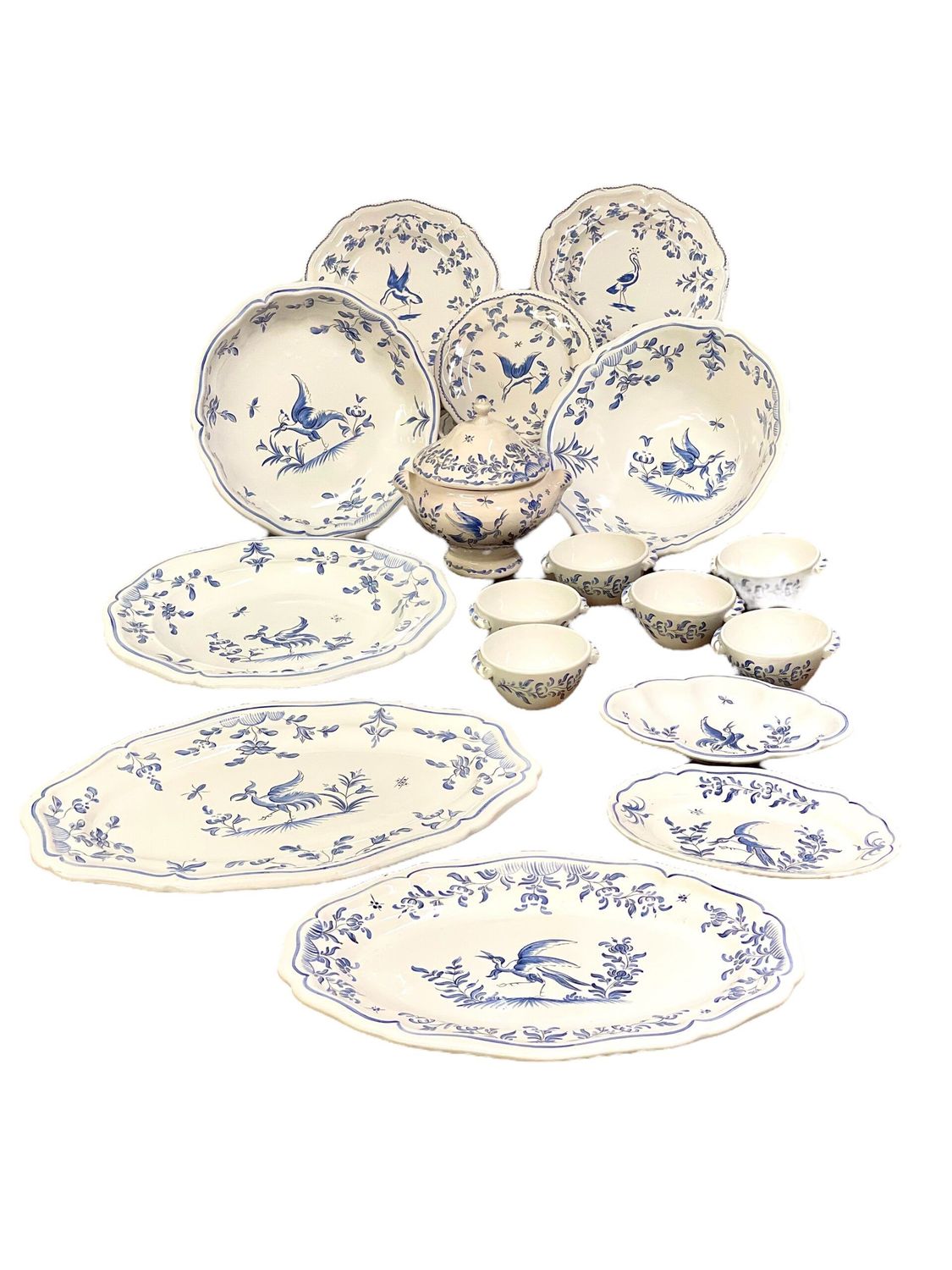
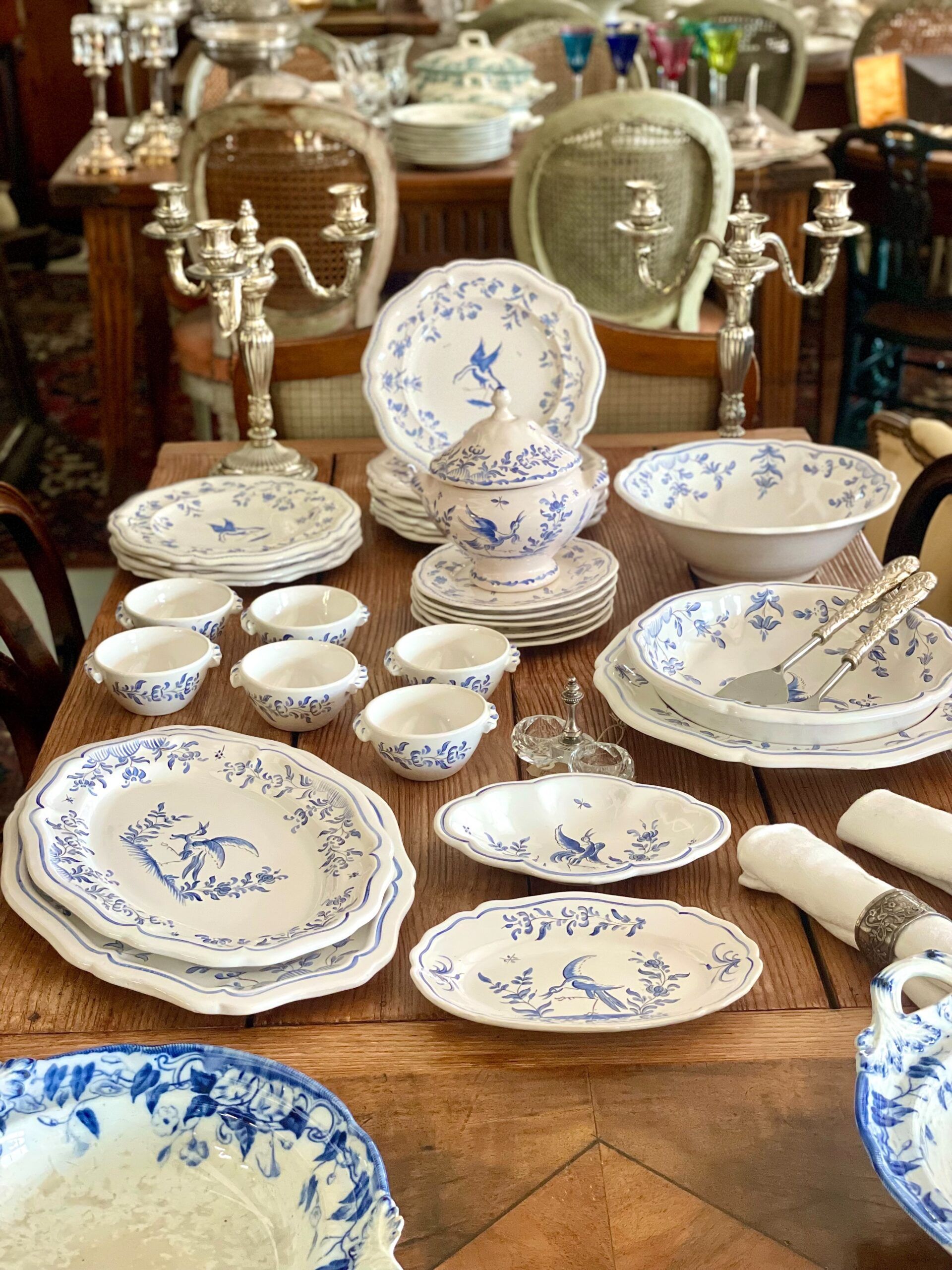
French Moustiers Hand-Painted Faience Dinner Service with Blue Bird Motif
SKU 00066
3 100.00€
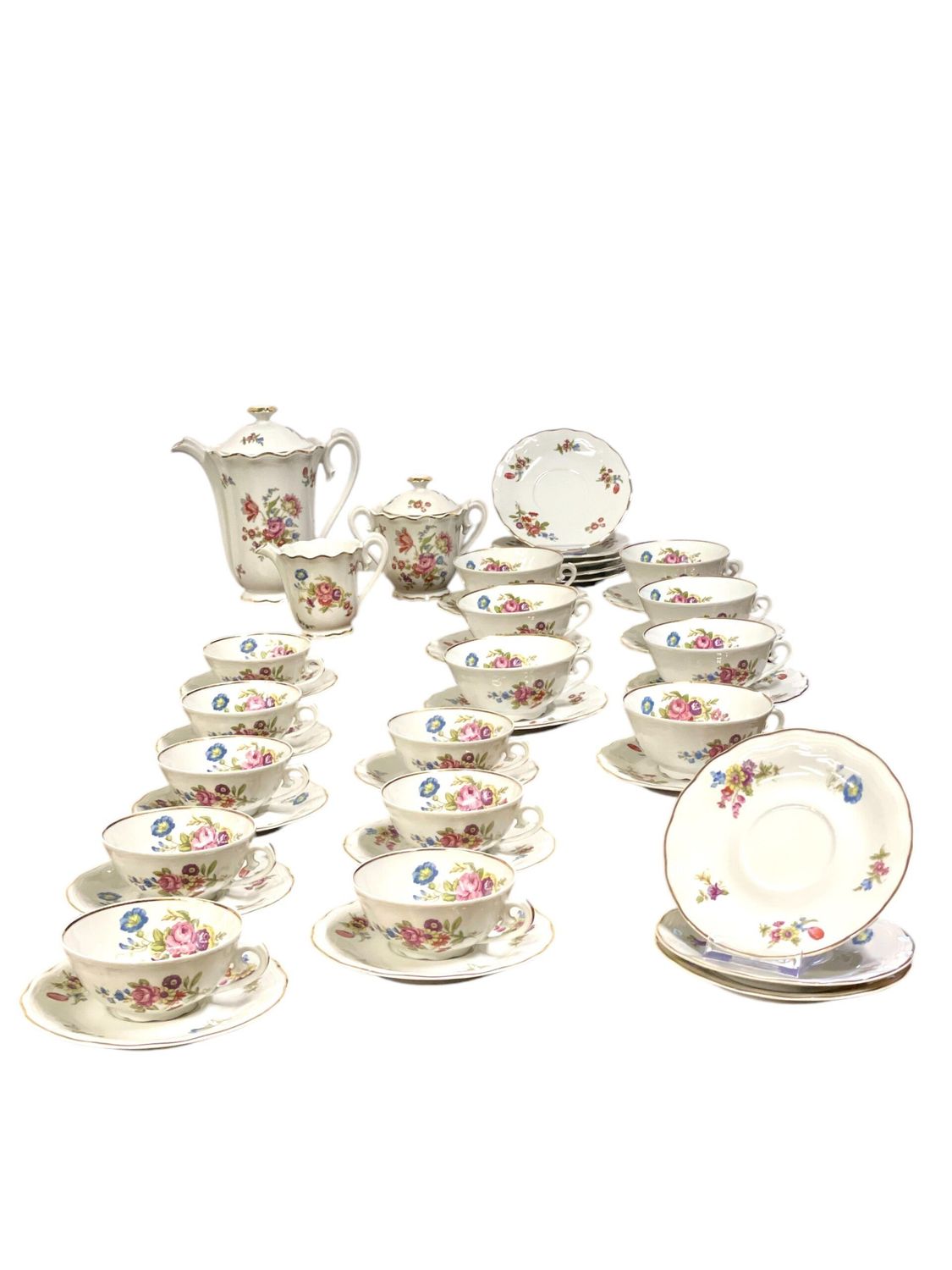
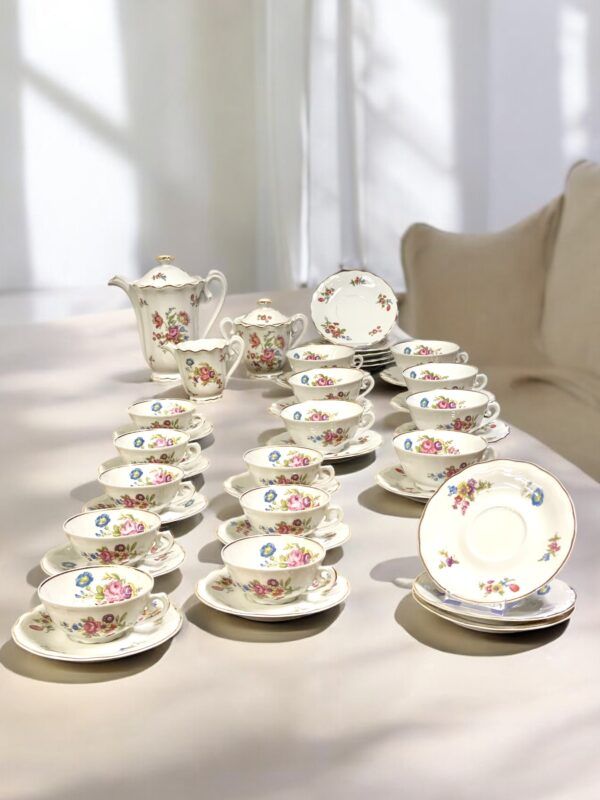
Vintage ULIM Limoges Porcelain Tea and Coffee Set – 41 Pieces
SKU 00110
2 600.00€
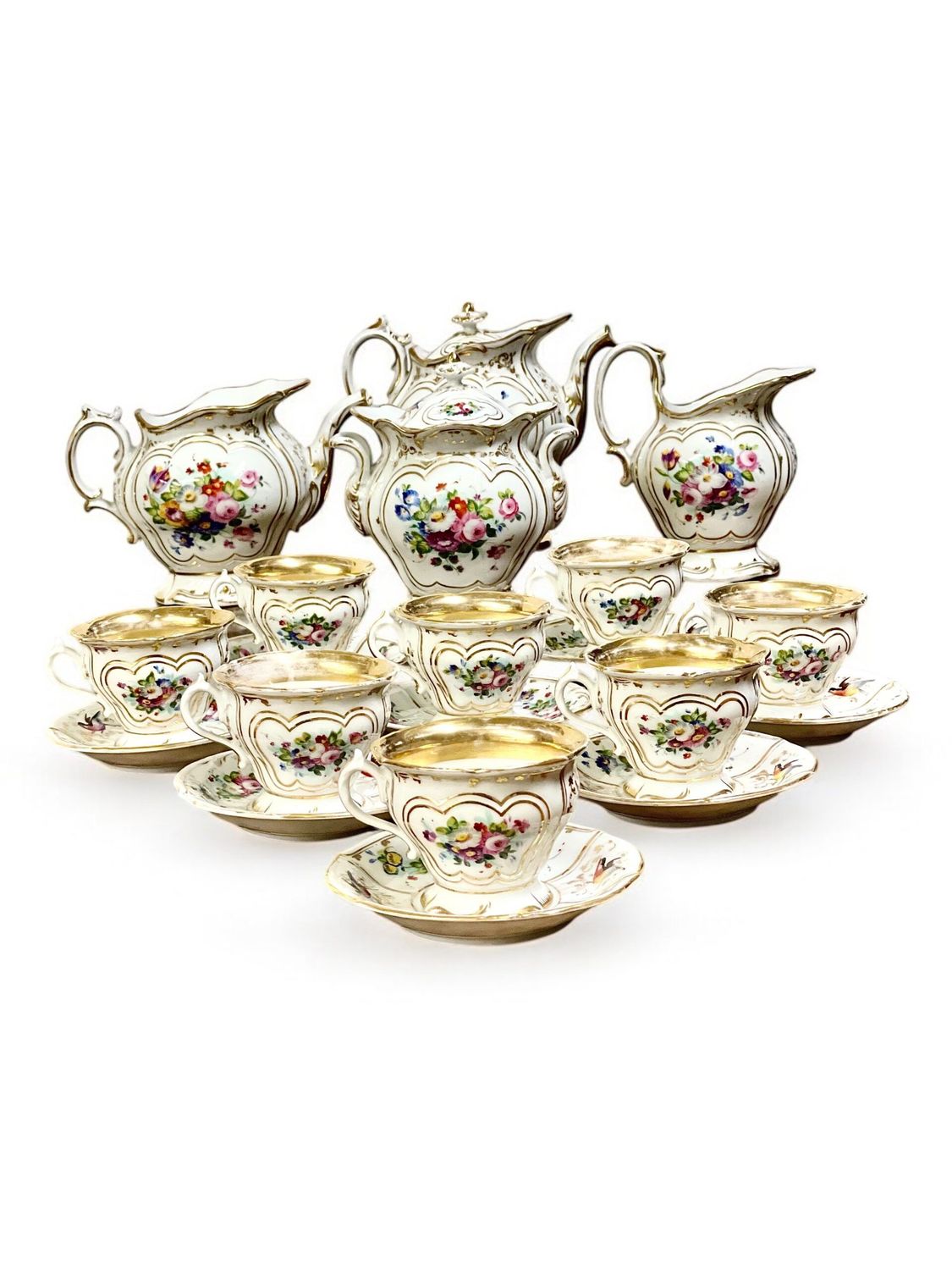
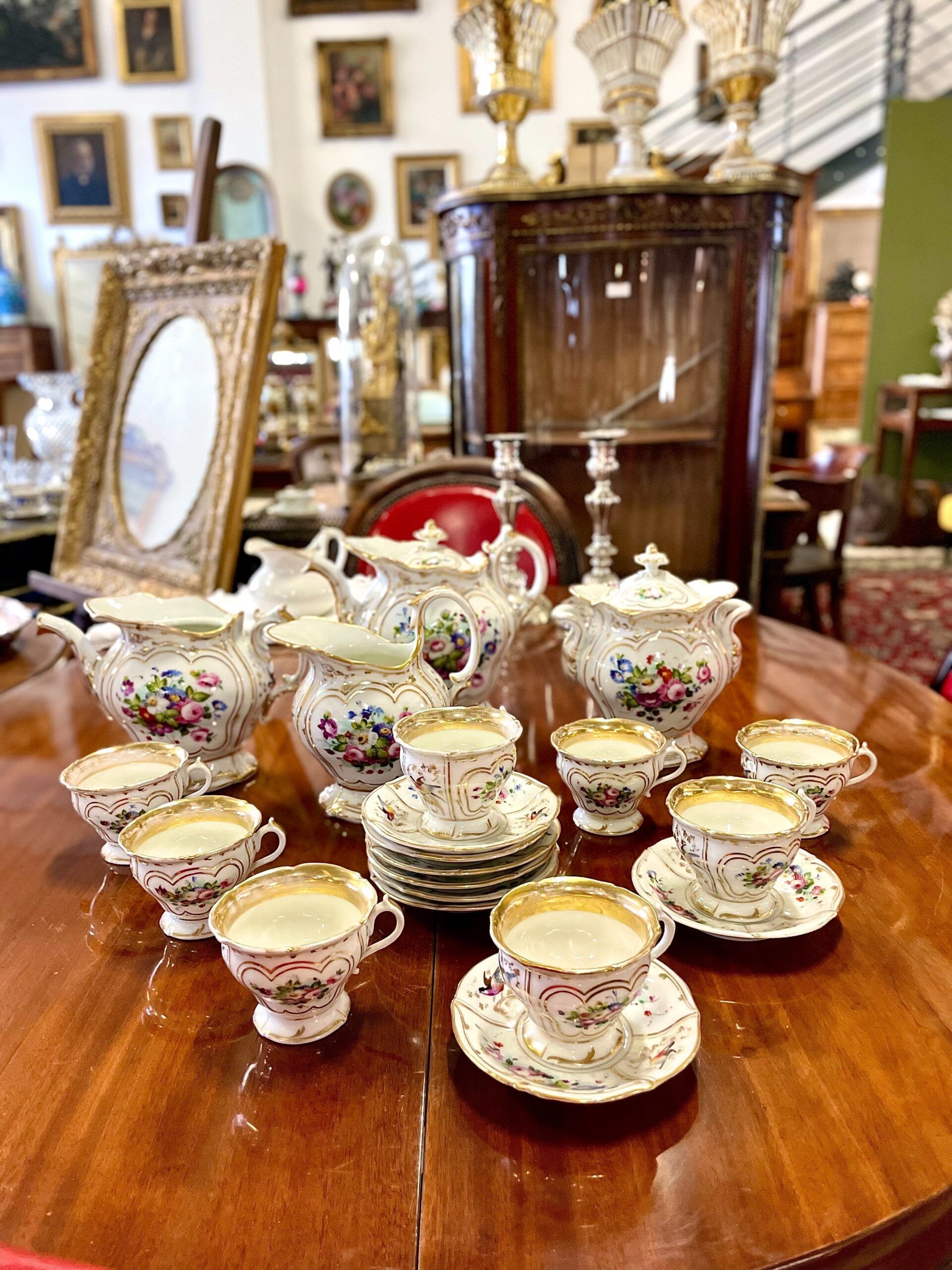
French Restauration Period Paris Porcelain Tea Set, Hand-Painted Gilded Accents
SKU 00069
1 800.00€
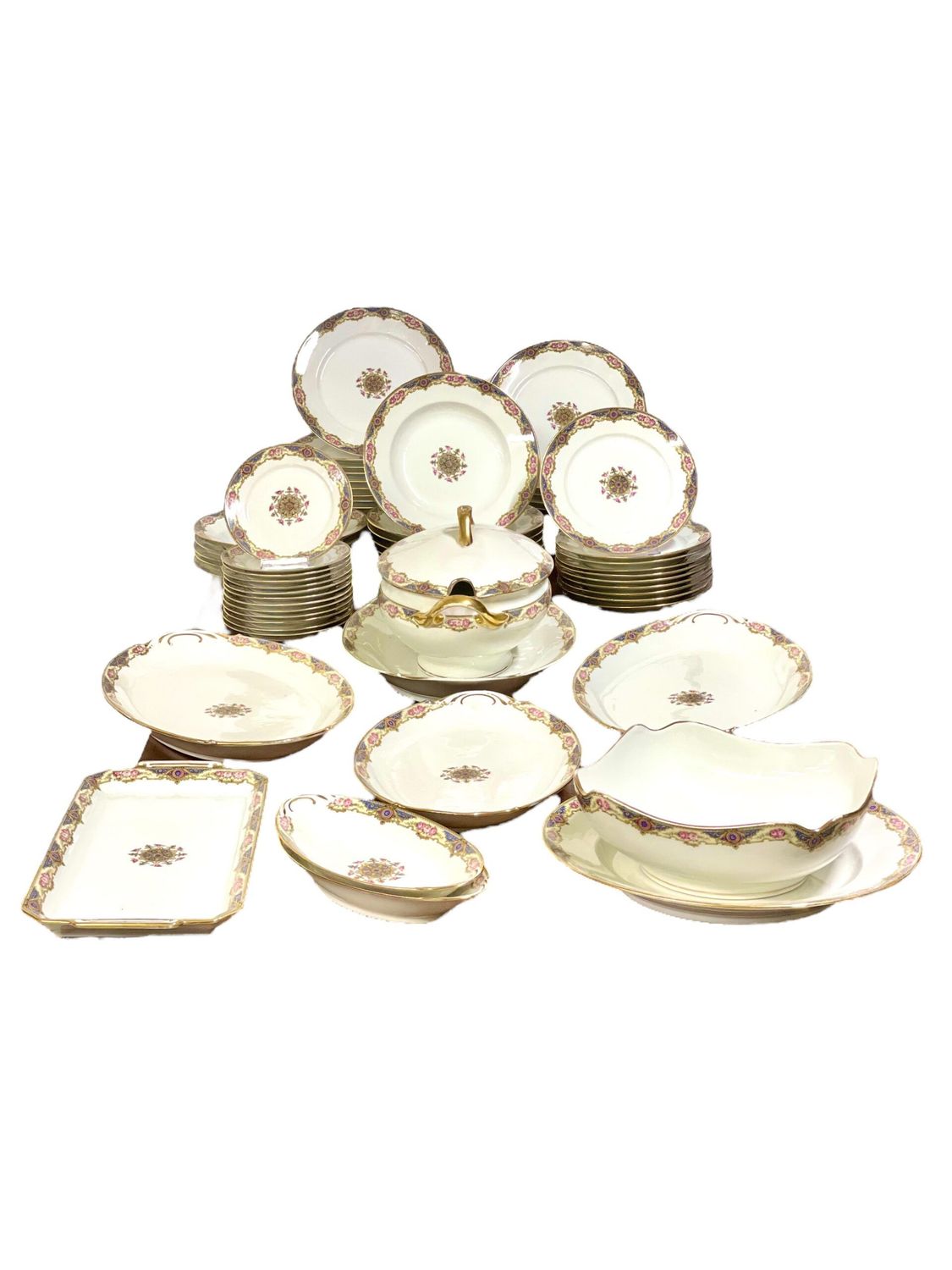
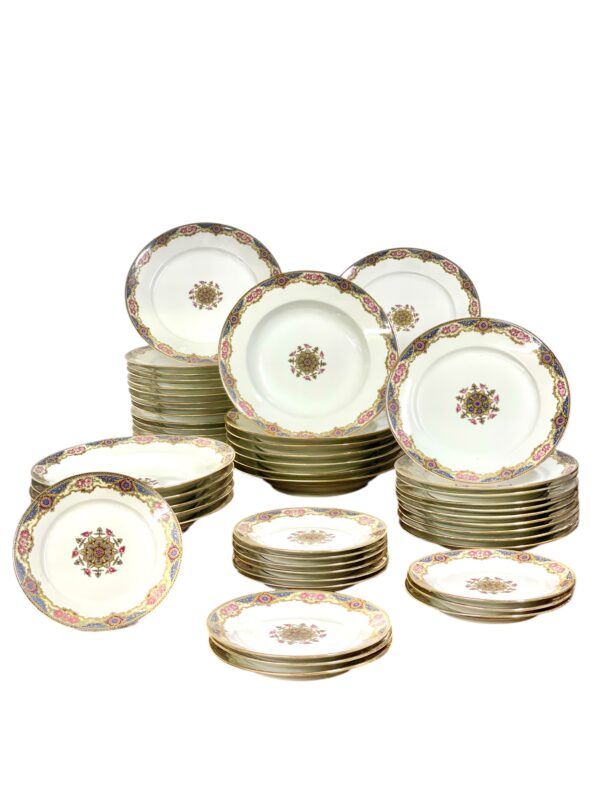
Limoges Porcelain Dinner Set by F. Legrand & Cie - 68 Pieces
SKU 00081
3 000.00€
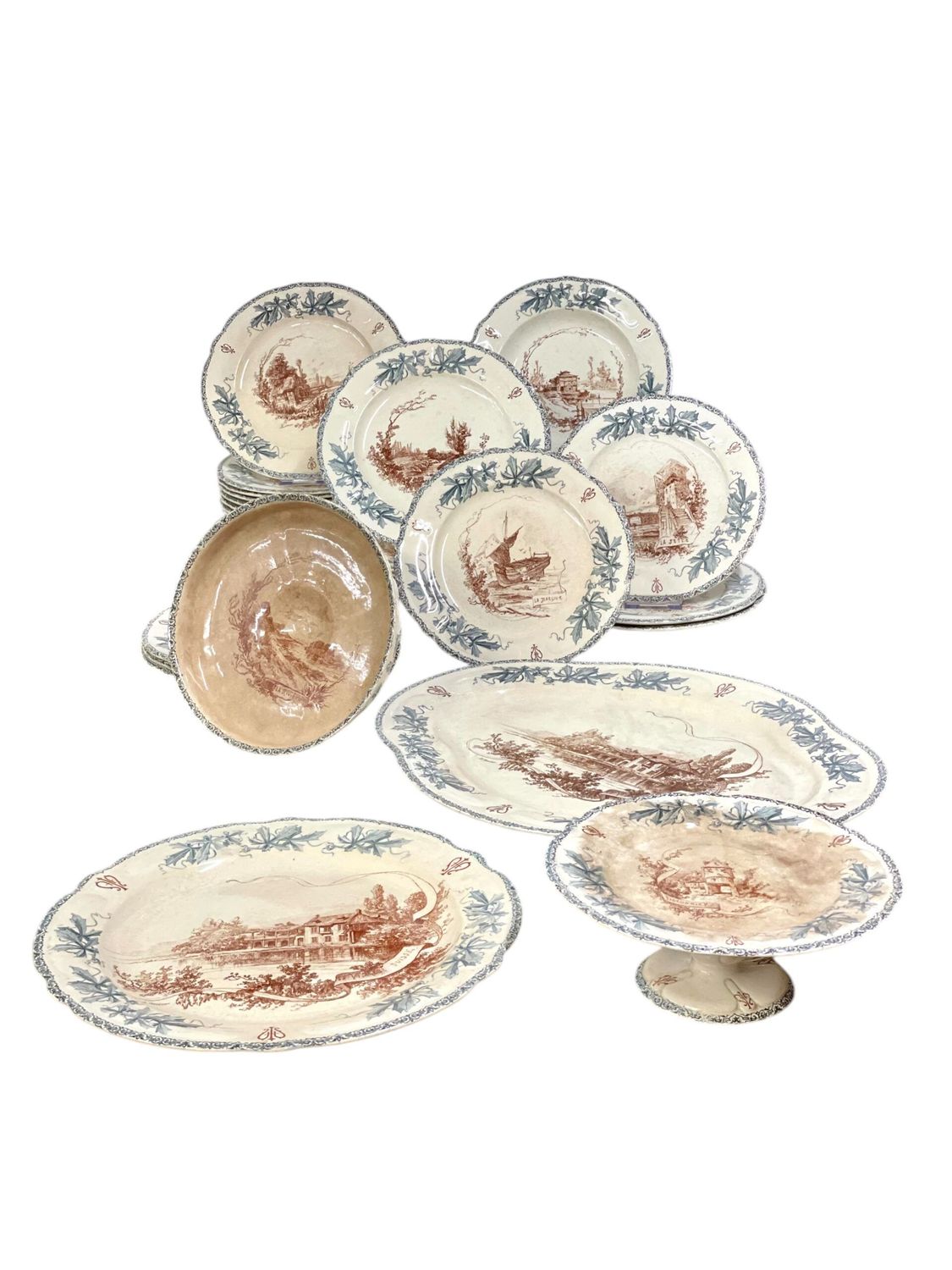
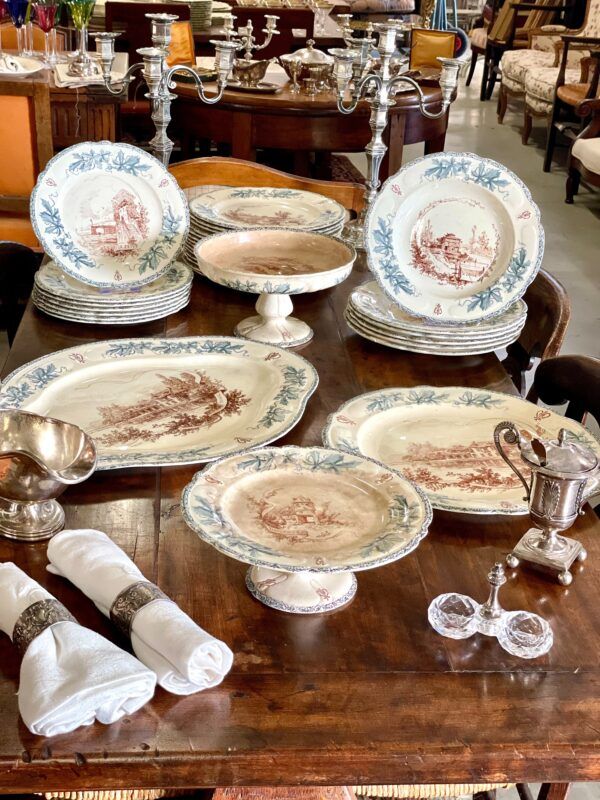
19th Century Faïence Dinner Service from Choisy-Le-Roi
SKU 00124
Out of Stock
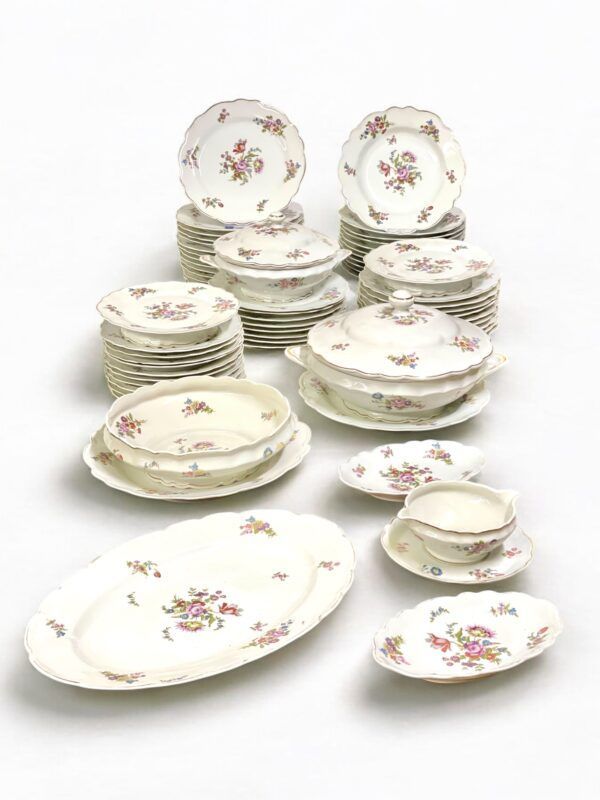
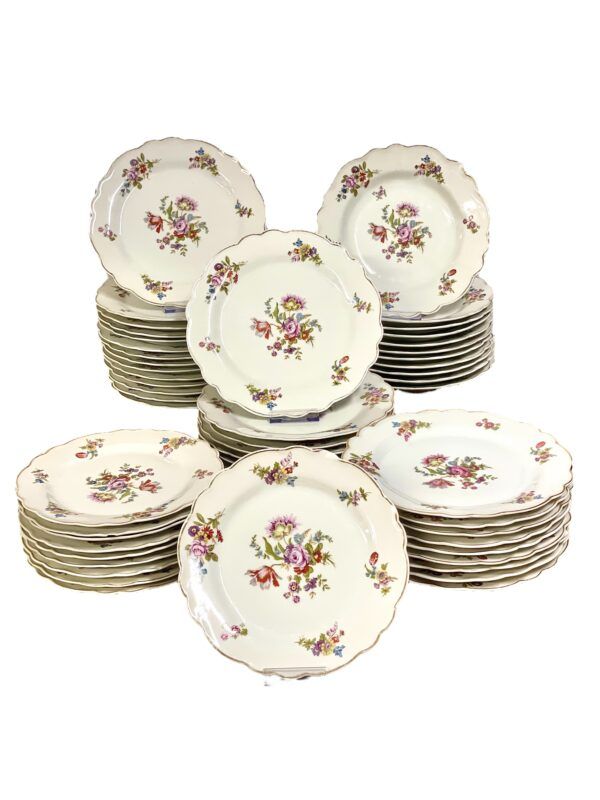
20th Century Limoges Porcelain Dinner Service ULIM 63-Piece
SKU 00134
Out of Stock

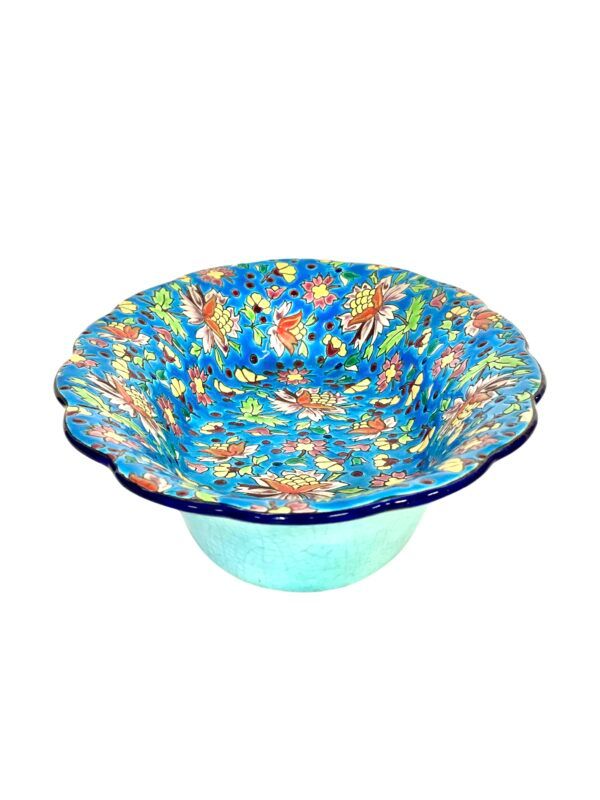
20th Century Longwy Oval Enameled Dish, France
SKU 00136
1 400.00€
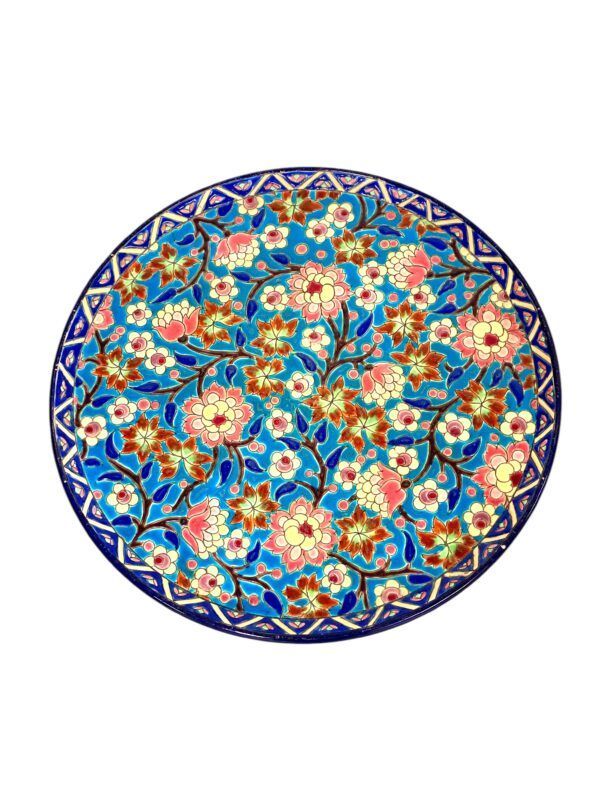
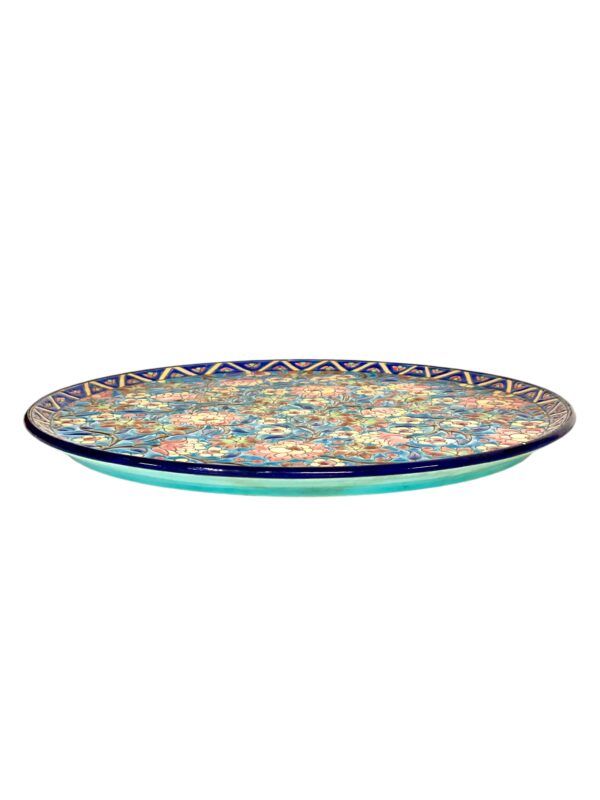
Art Nouveau Longwy Turquoise Enameled Ceramic Platter
SKU 00128
1 690.00€
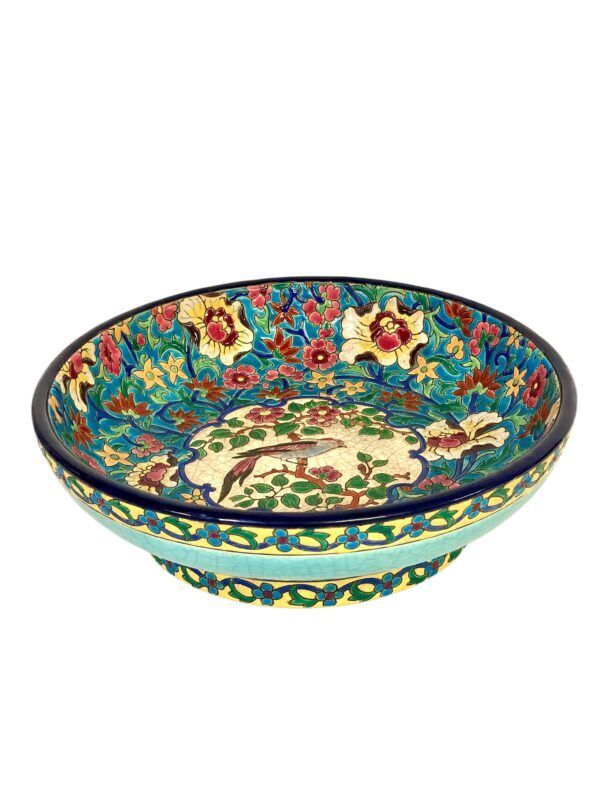
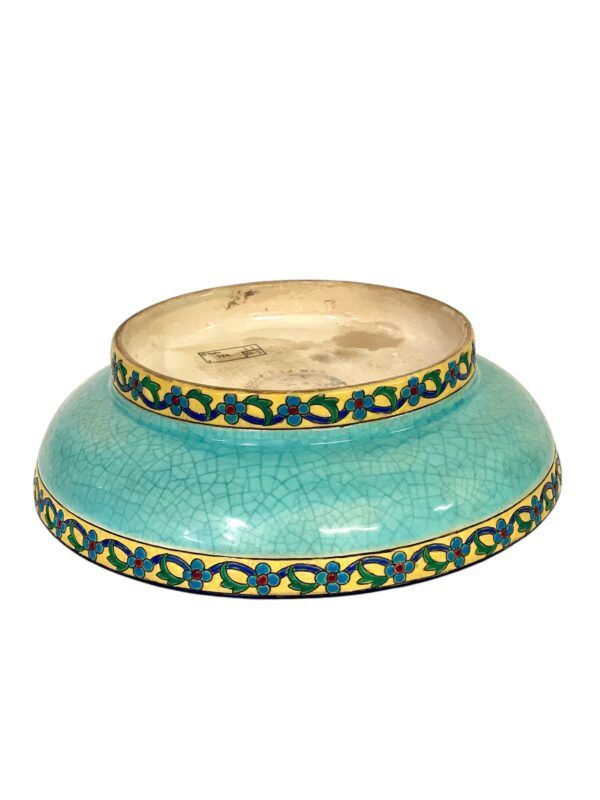
19th Century Longwy Large Enamel Bowl with Floral and Bird Motifs
SKU 00100
1 300.00€
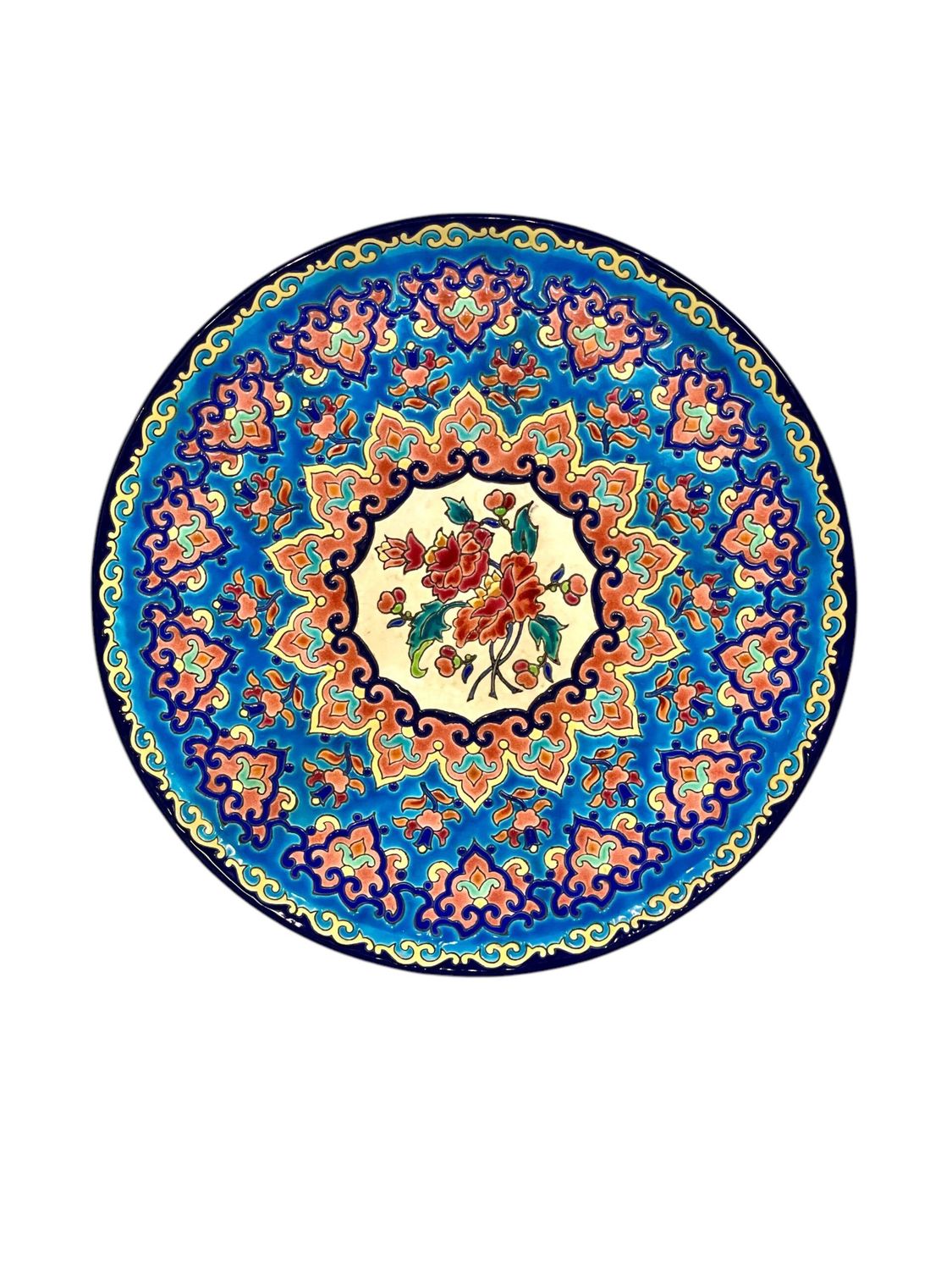
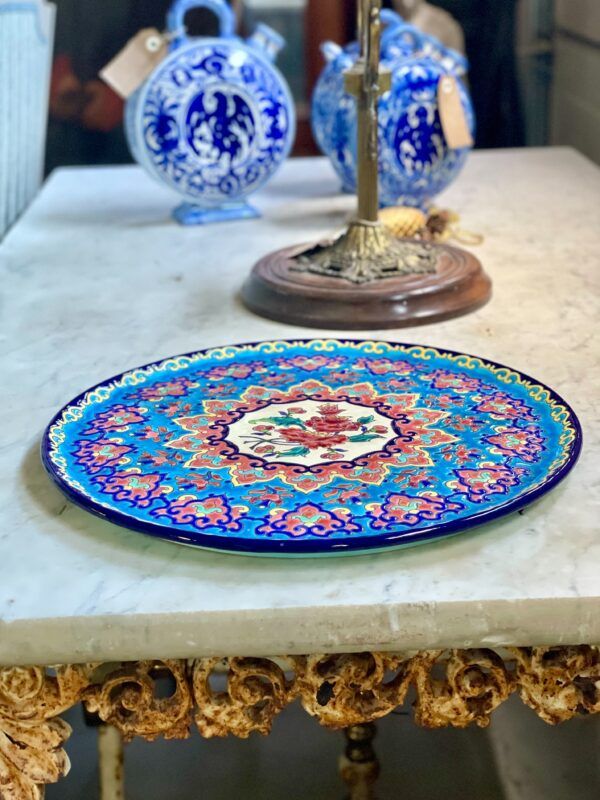
Hand-Painted Longwy Centerpiece, Circa 1950
SKU 00072
900.00€
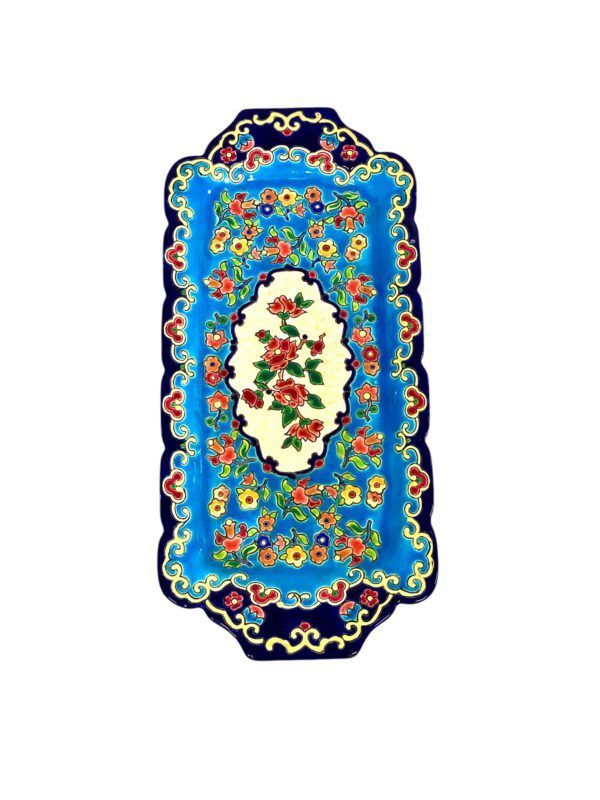
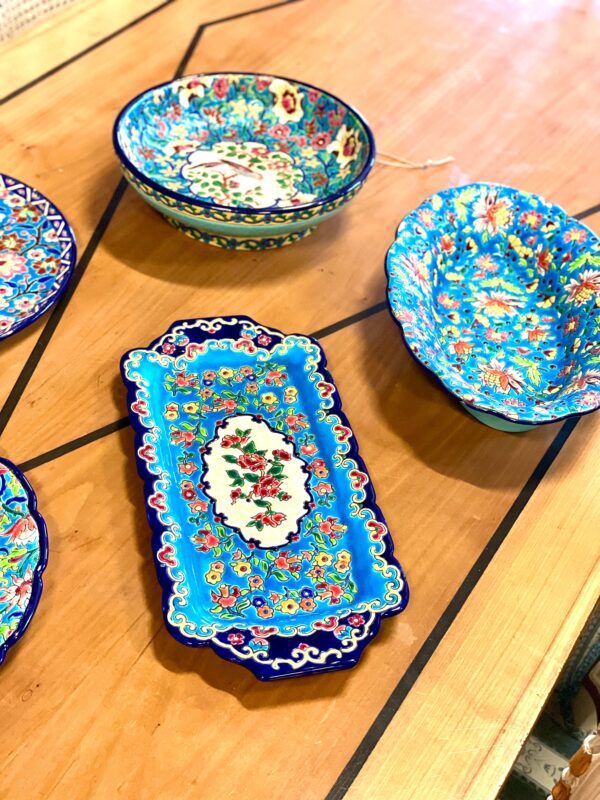
Émaux de Longwy Enamel Floral Platter, Rectangular Ceramic
SKU 00077
900.00€
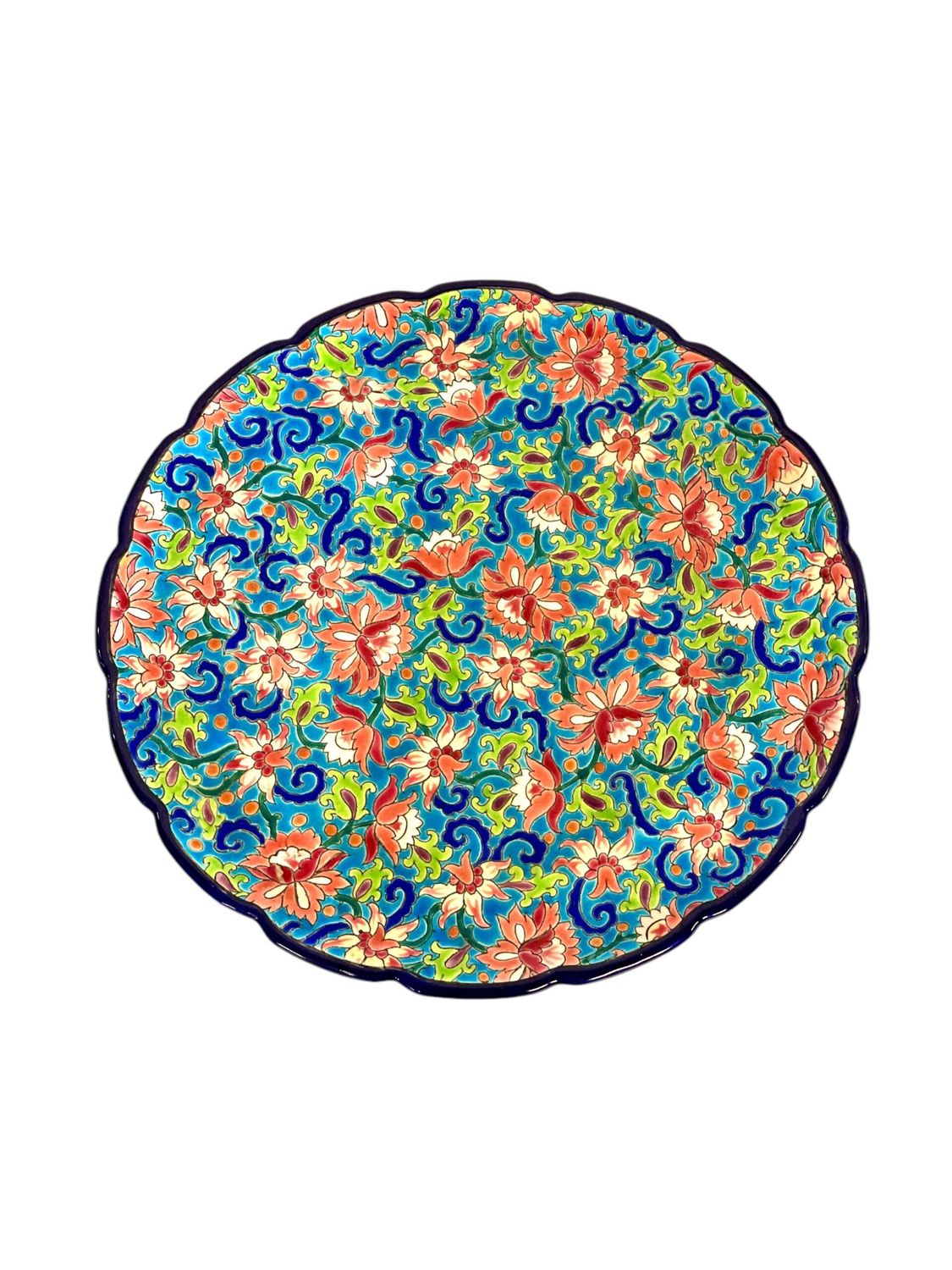

Longwy Enamel Round Faience Platter, France 20th Century
SKU 00079
690.00€
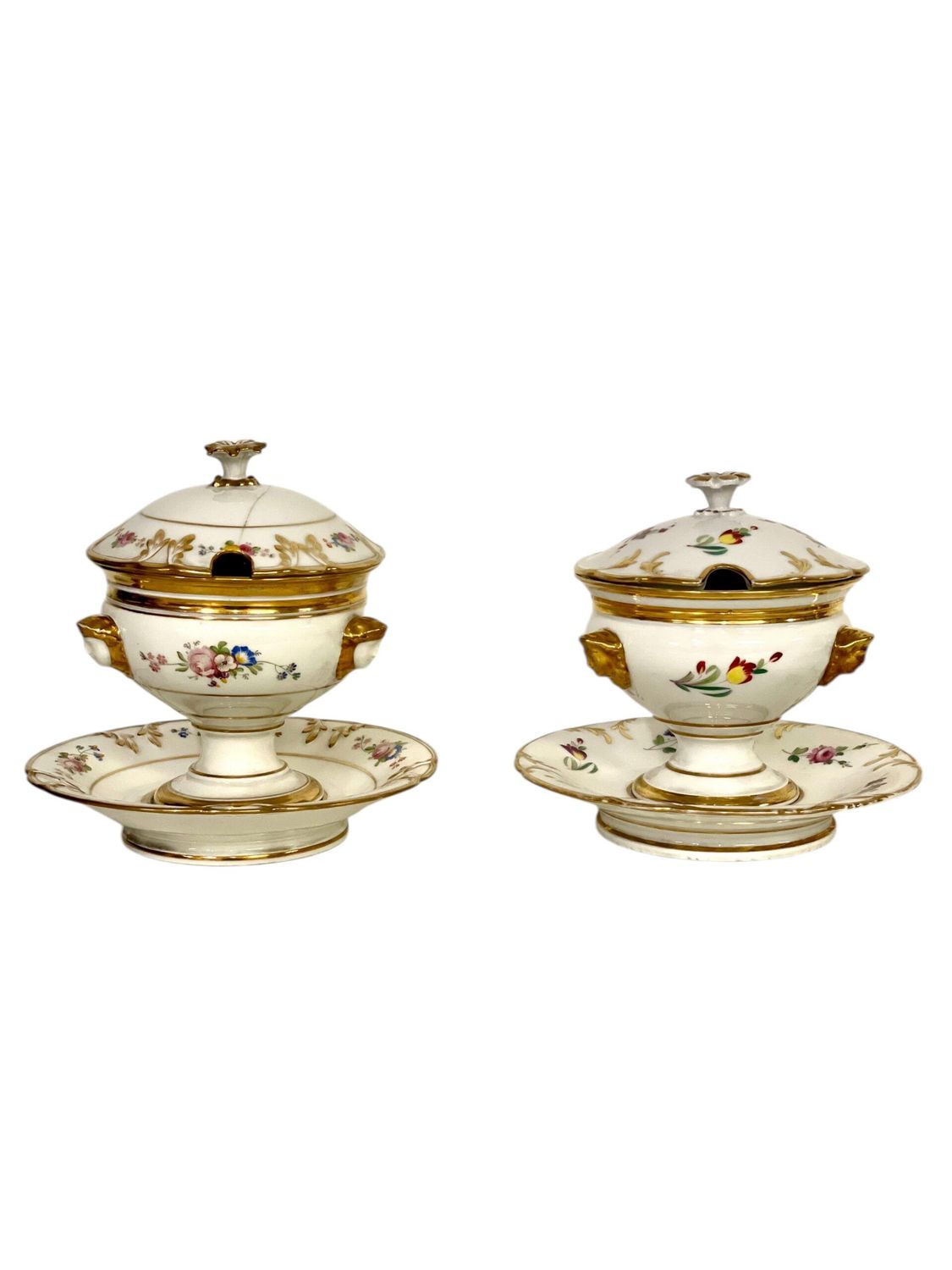
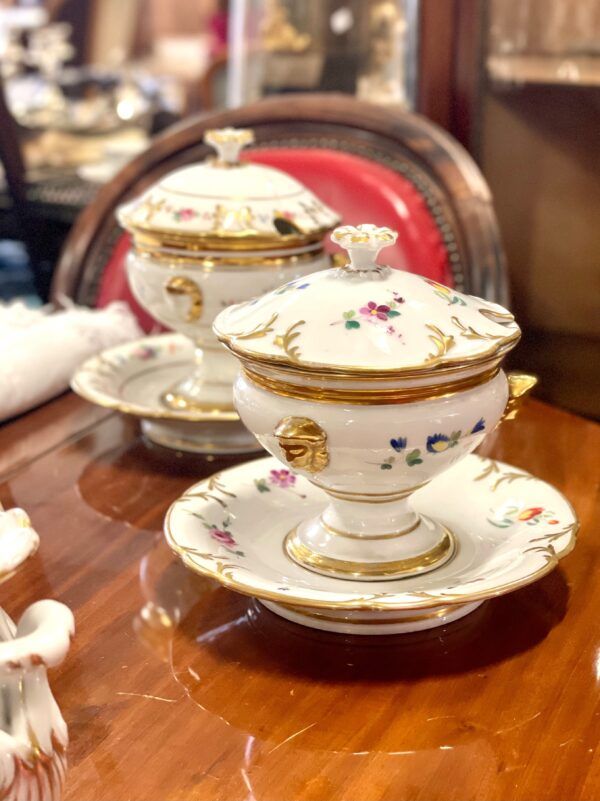
19th Century Pair of Paris Porcelain Lidded Confituriers with Fixed Underplates
SKU 00047
1 600.00€
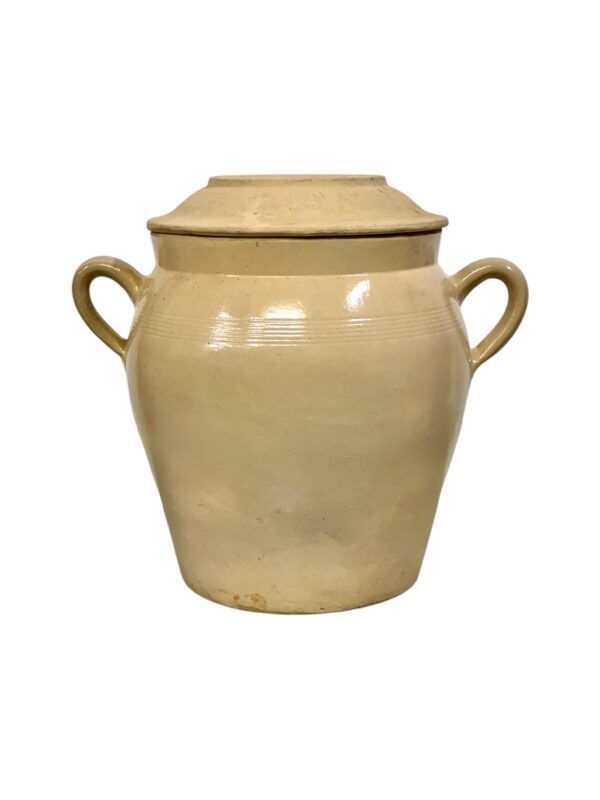
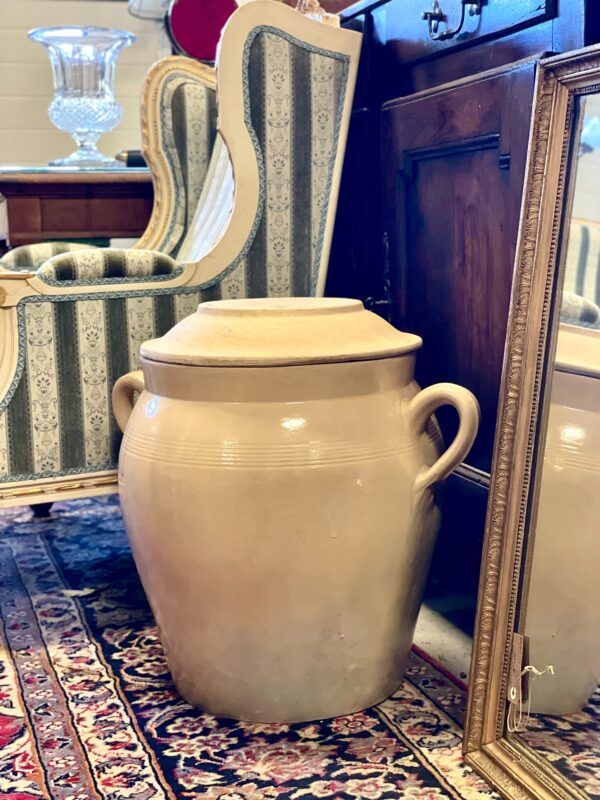
19th Century Large Glazed Terracotta Confit Pot with Lid and Handles
SKU 00029
1 100.00€
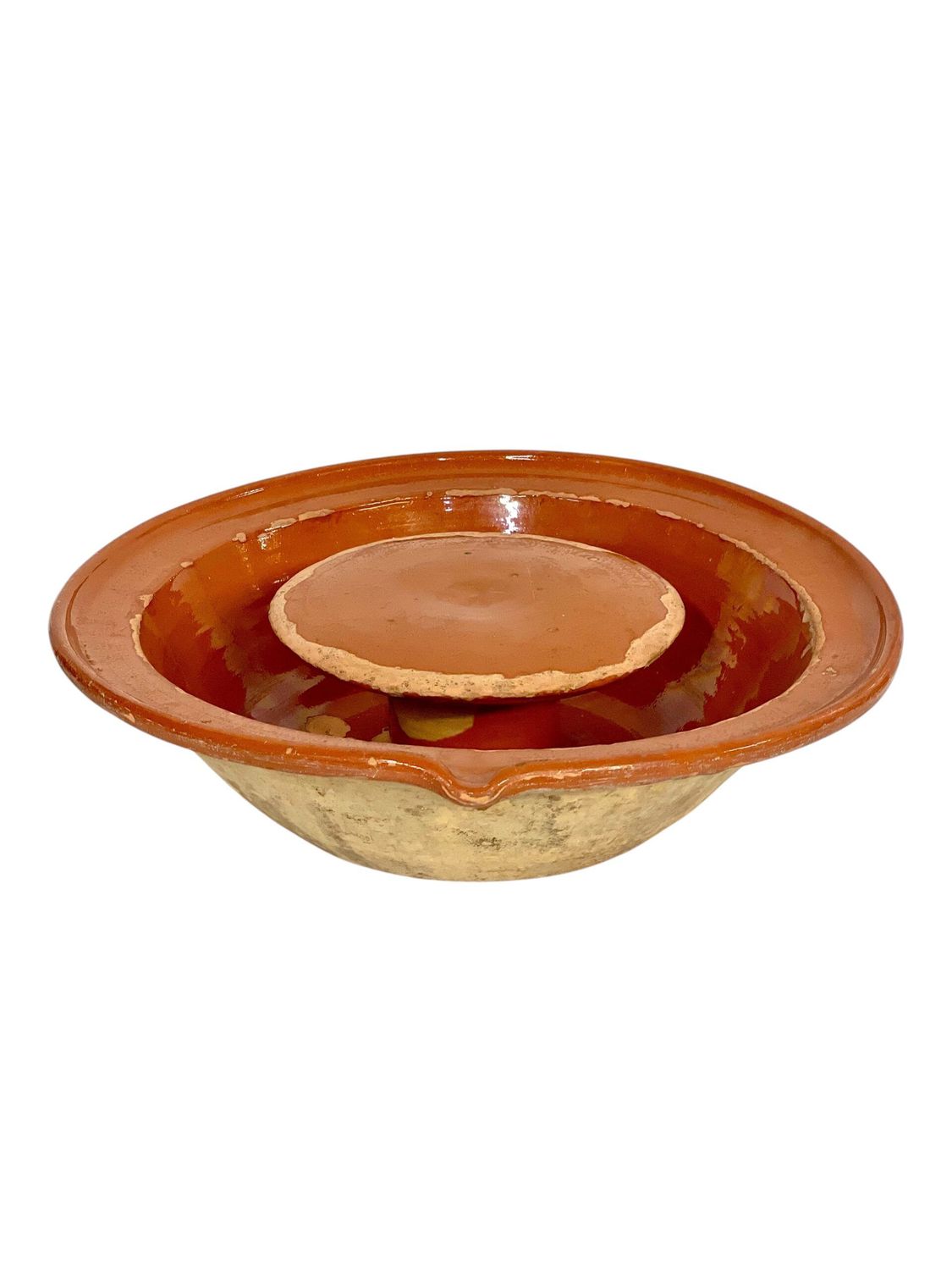
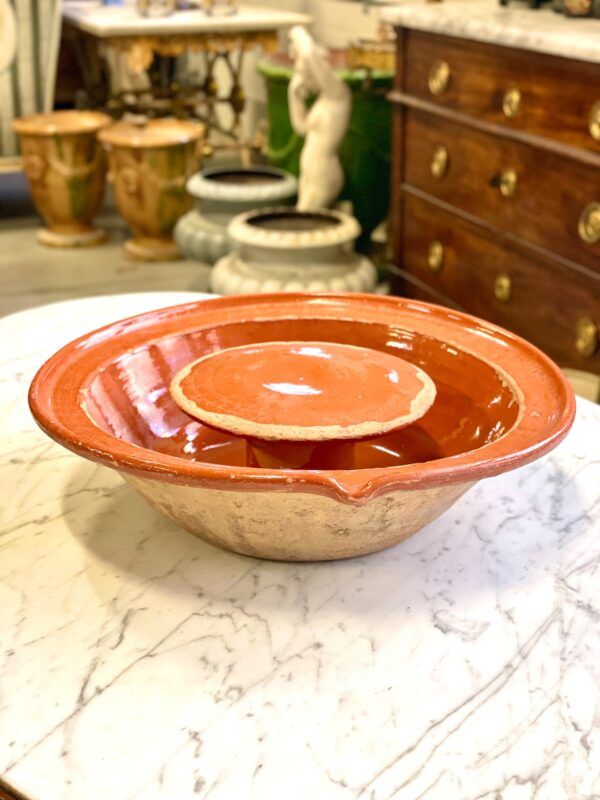
19th Century Glazed Terracotta Cheese Strainer circa 1800
SKU 00075
700.00€
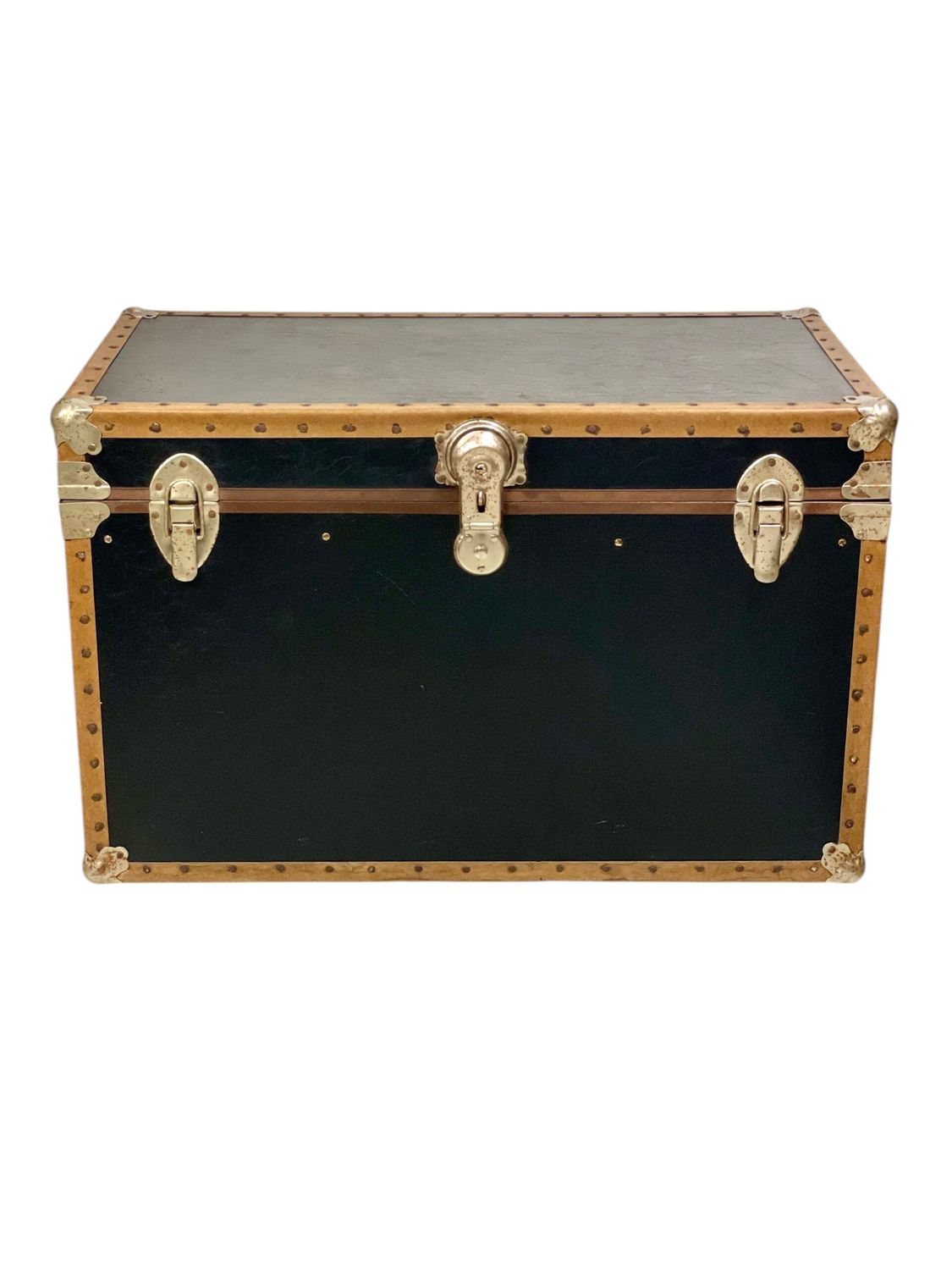
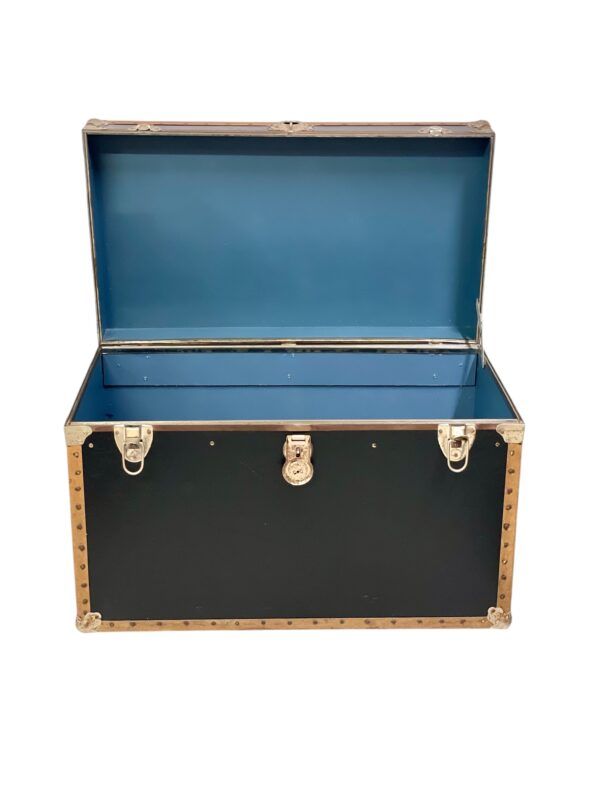
Vintage Flat Top Steamer Trunk, 20th Century
SKU 00028
Out of Stock
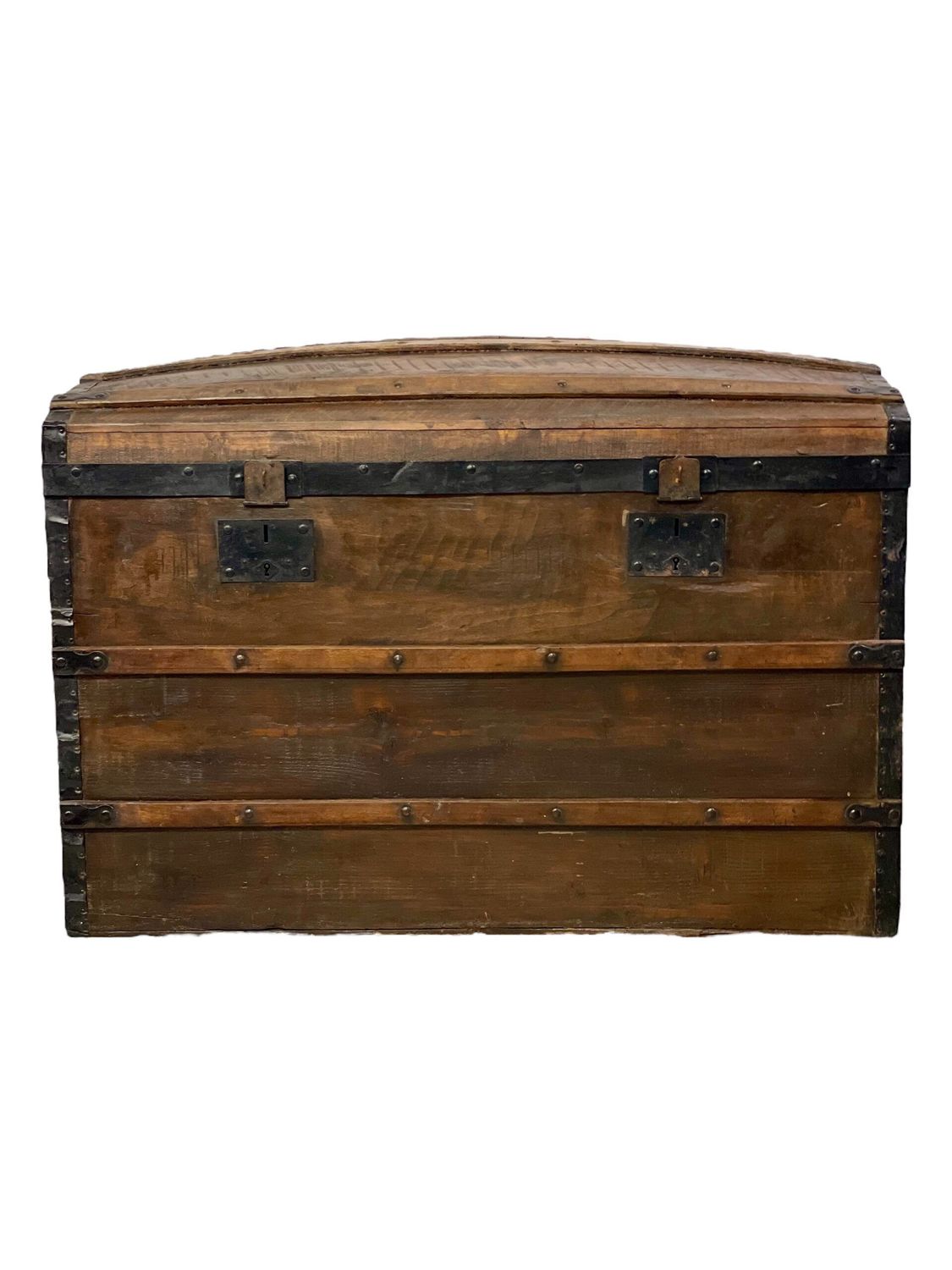
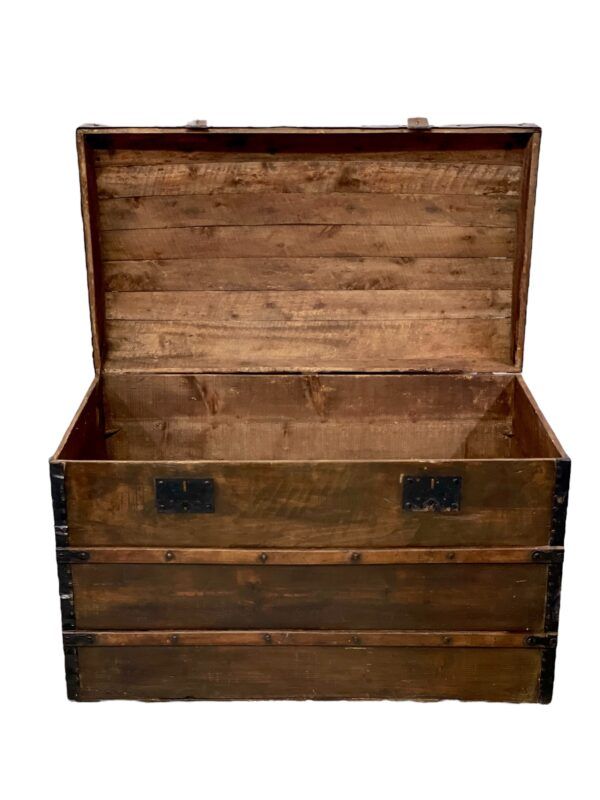
19th Century Dome Top Trunk, Circa 1880
SKU 00041
1 700.00€
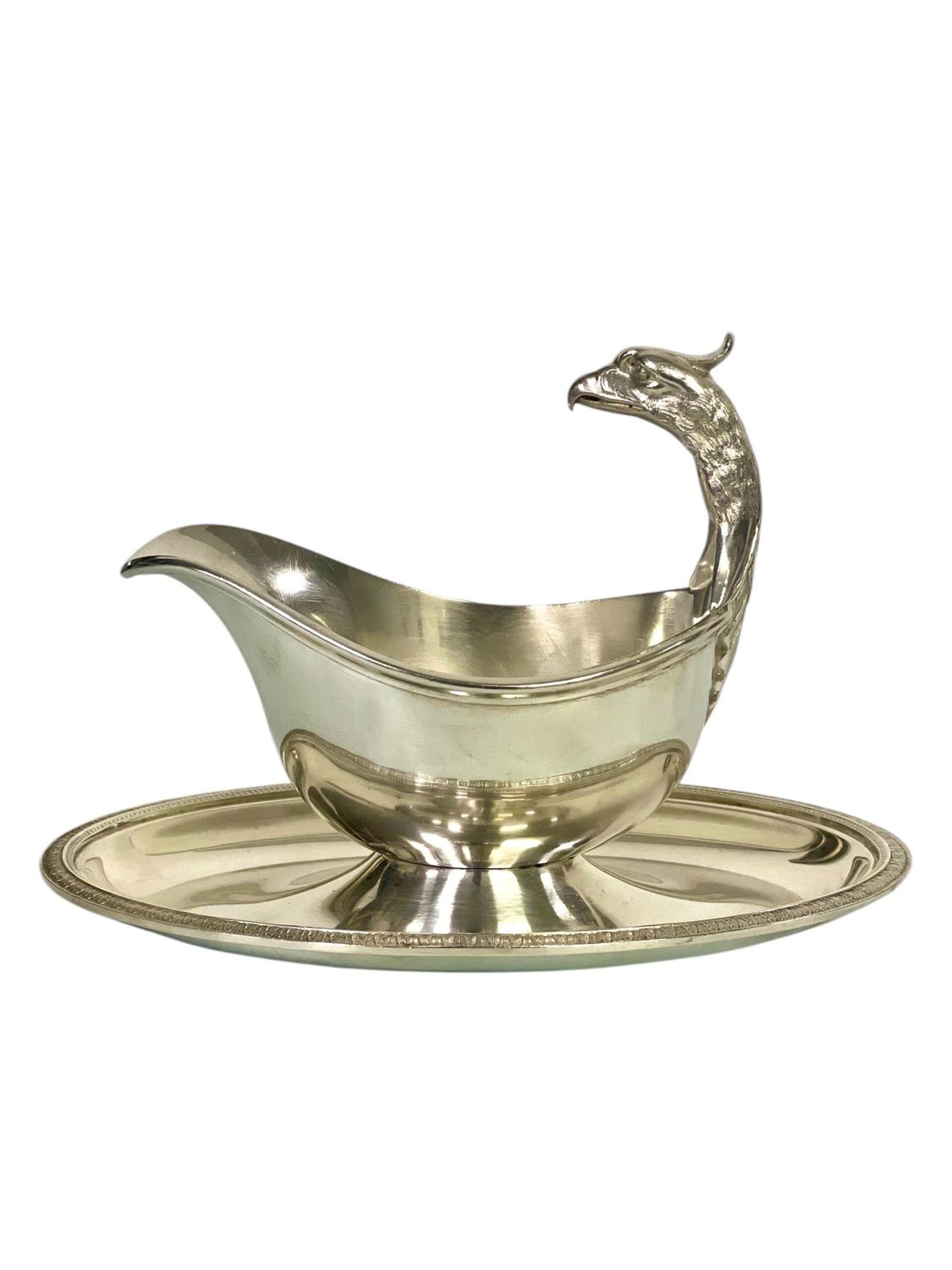
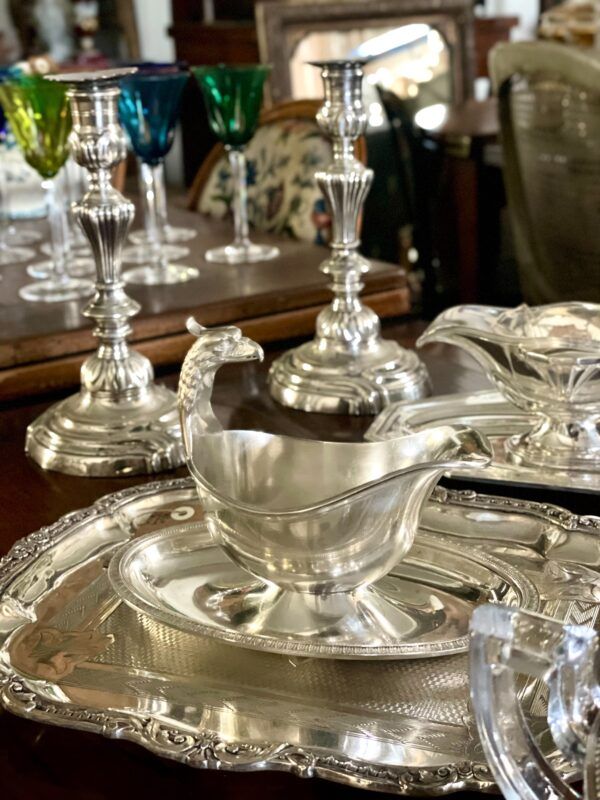
1930s Rare Christofle Gallia Silver Plated Sauce Boat with Eagle Handle
SKU 00026
1 000.00€
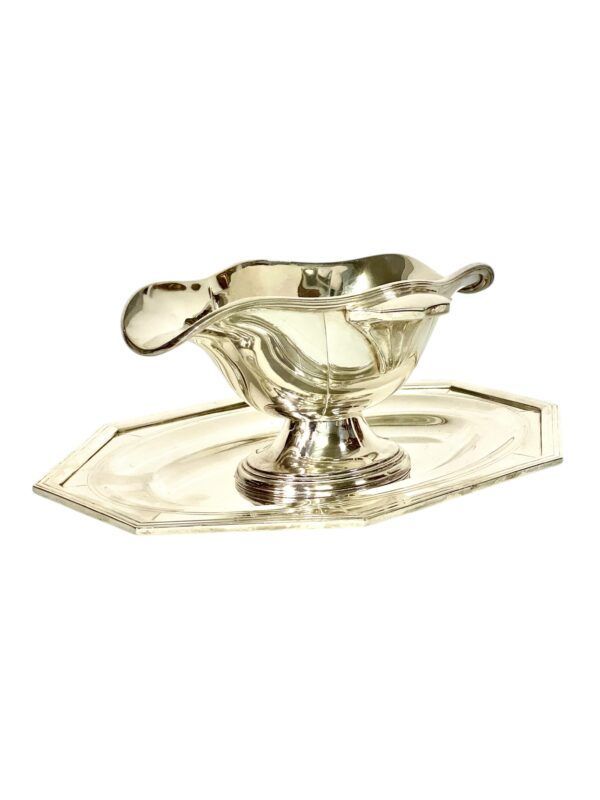
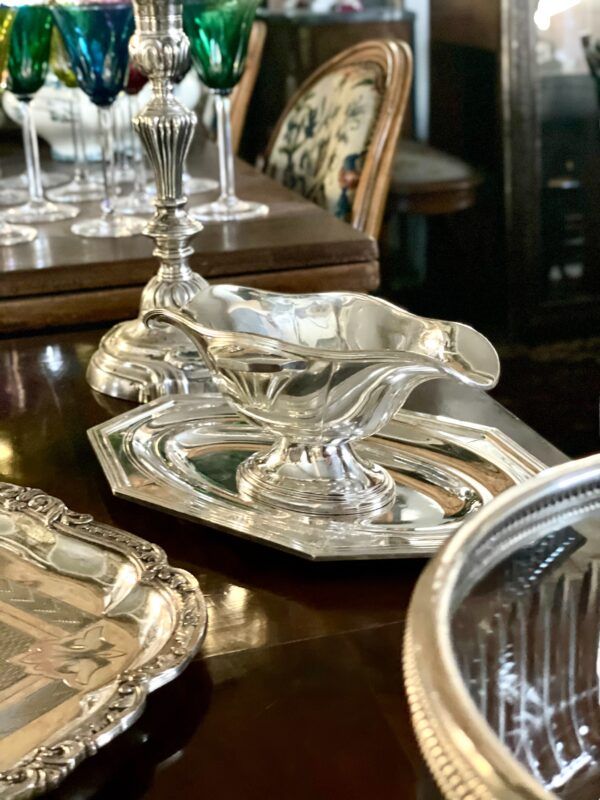
Art Deco Silver Plated Sauce Boat, Circa 1930s
SKU 00036
850.00€
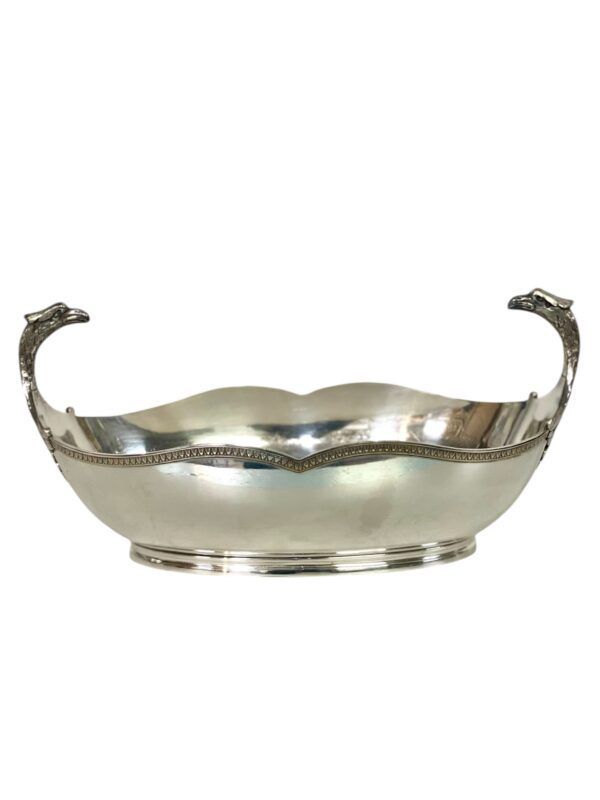
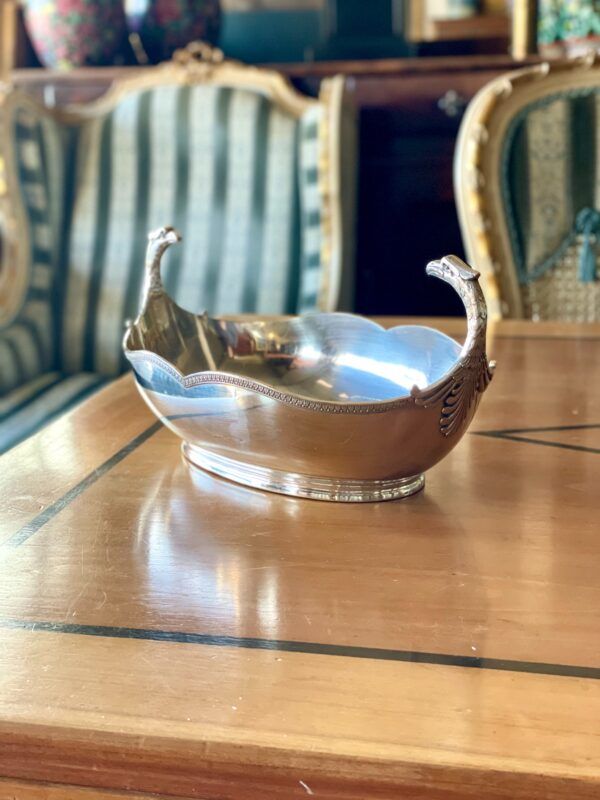
19th Century Silver Plated Basket with Eagle Handles
SKU 00095
680.00€
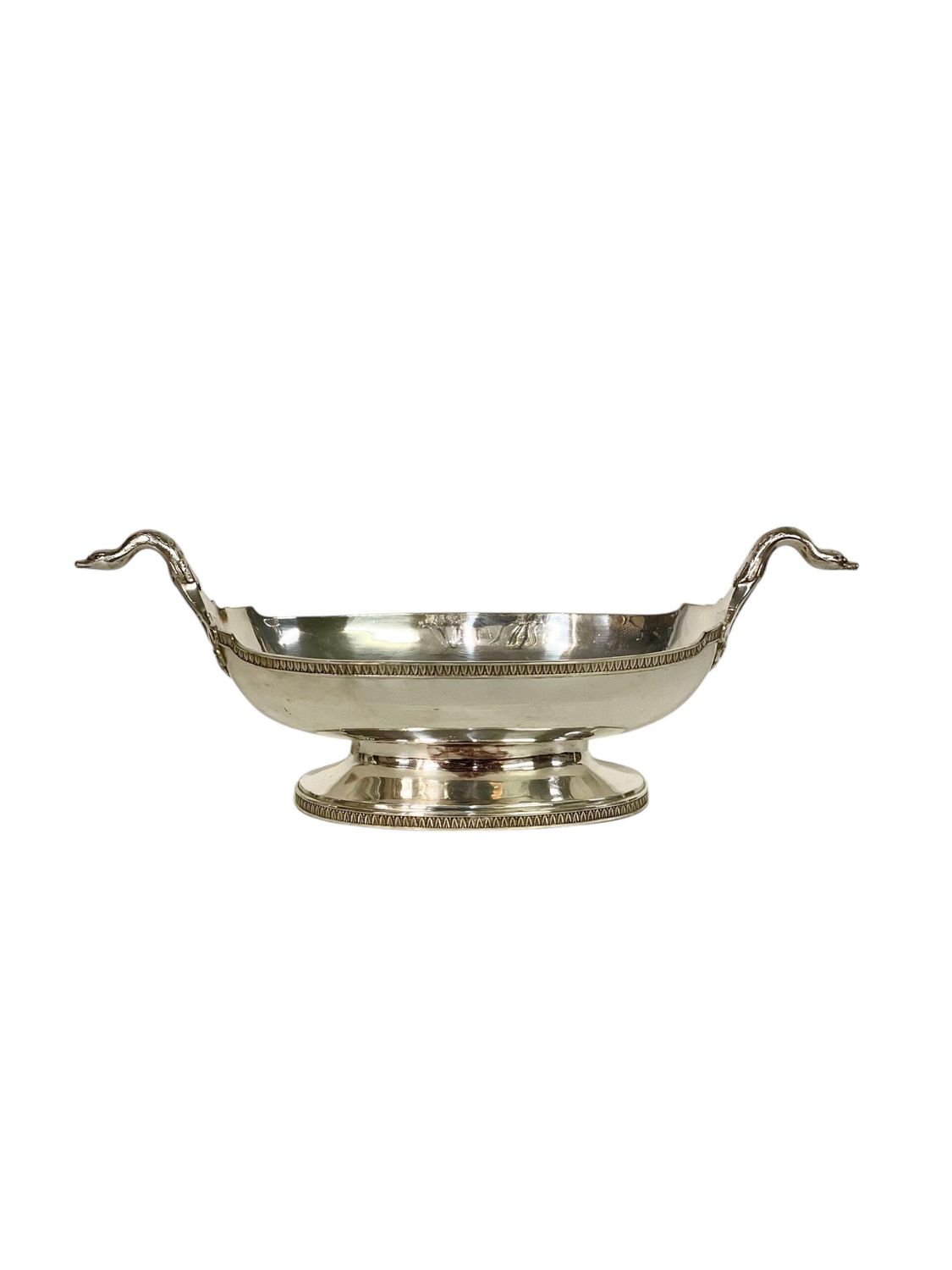
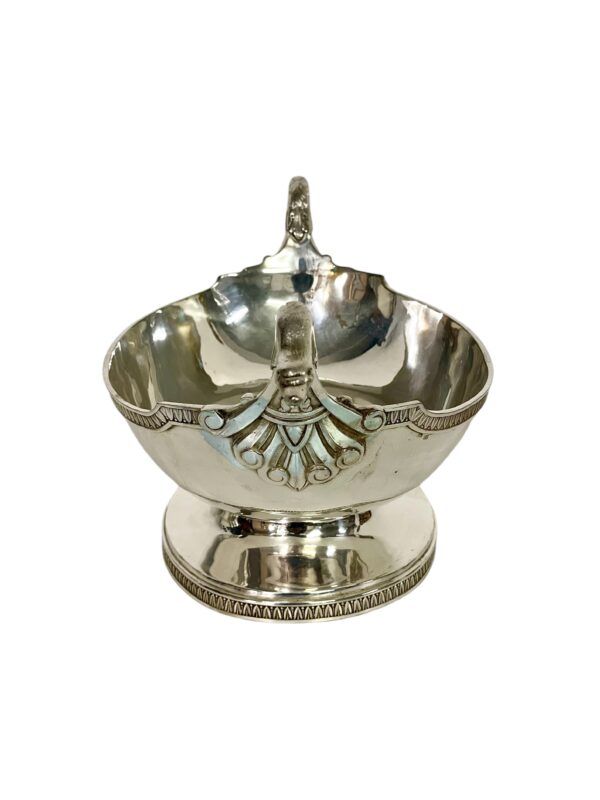
19th Century Empire Silver Plated Gondola Basket with Swan Handles
SKU 00106
1 800.00€
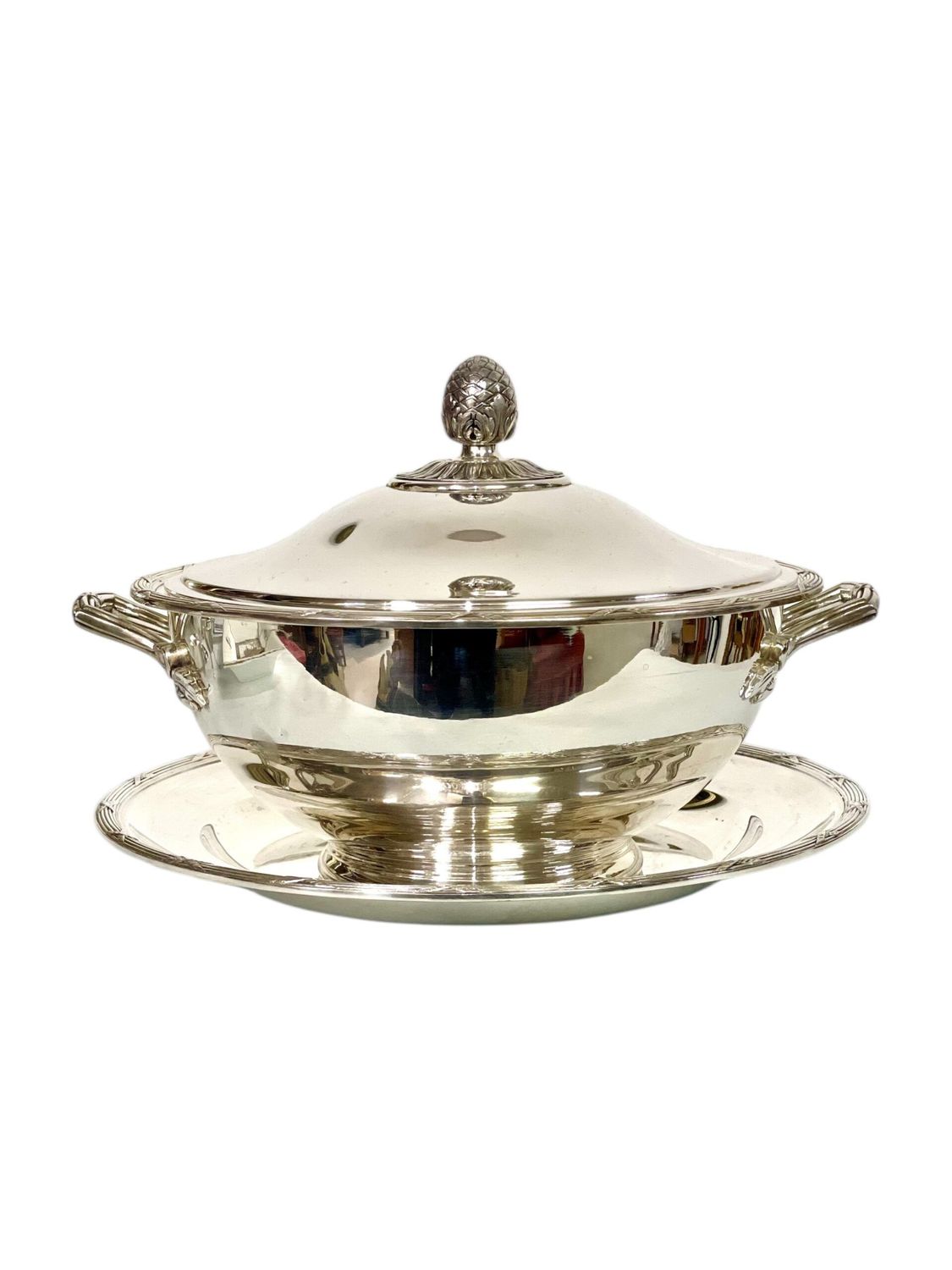
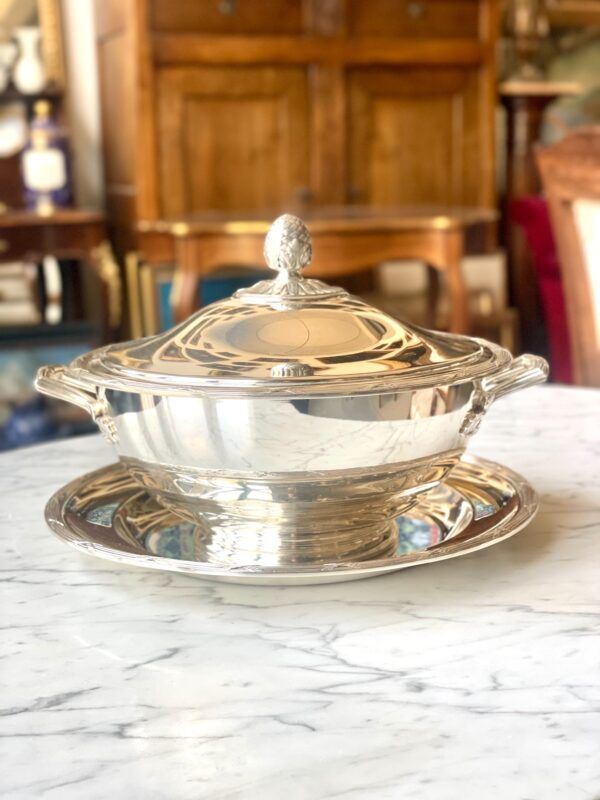
Christofle Silver-Plated Soup Tureen & Tray, Circa 1900
SKU 00025
Out of Stock
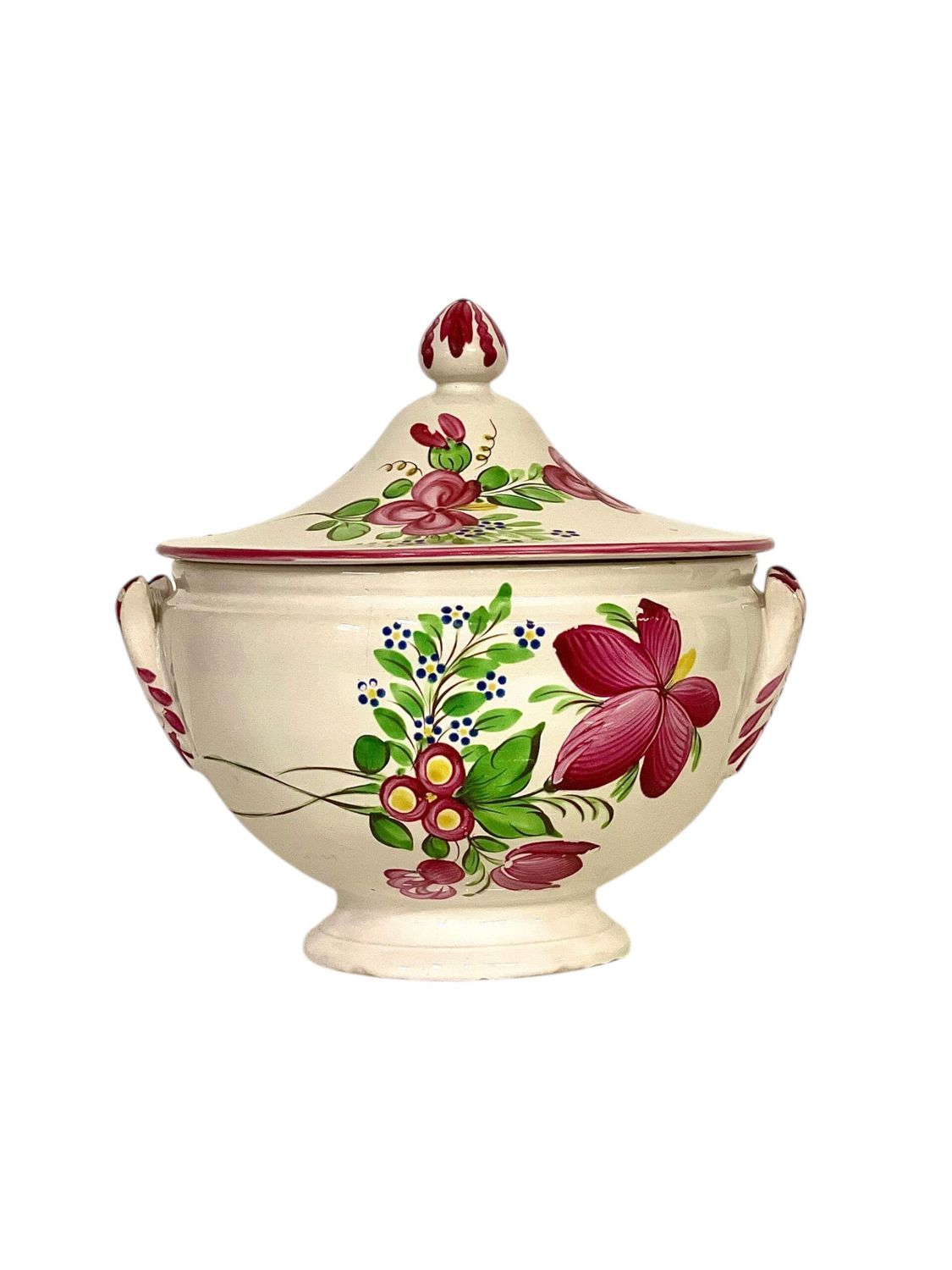
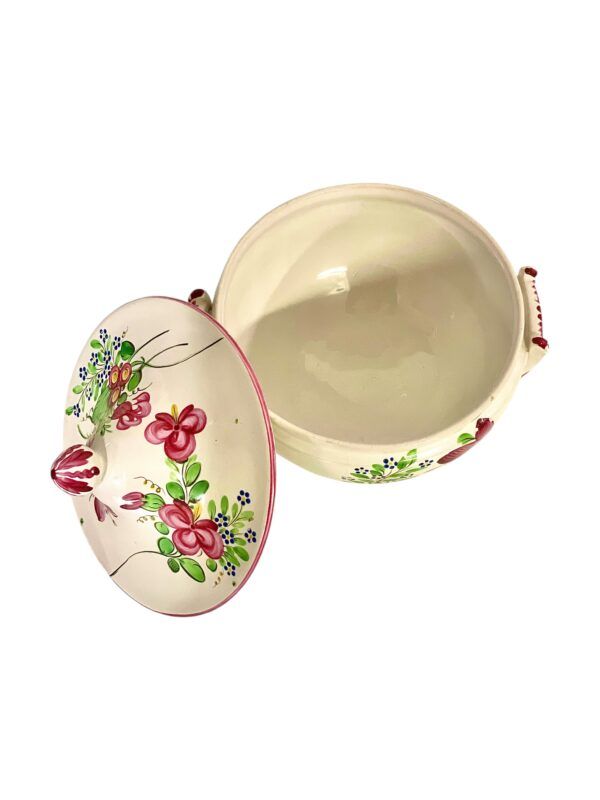
19th Century Faience Soup Tureen, Keller & Guérin Style, Lunéville
SKU 00043
1 000.00€
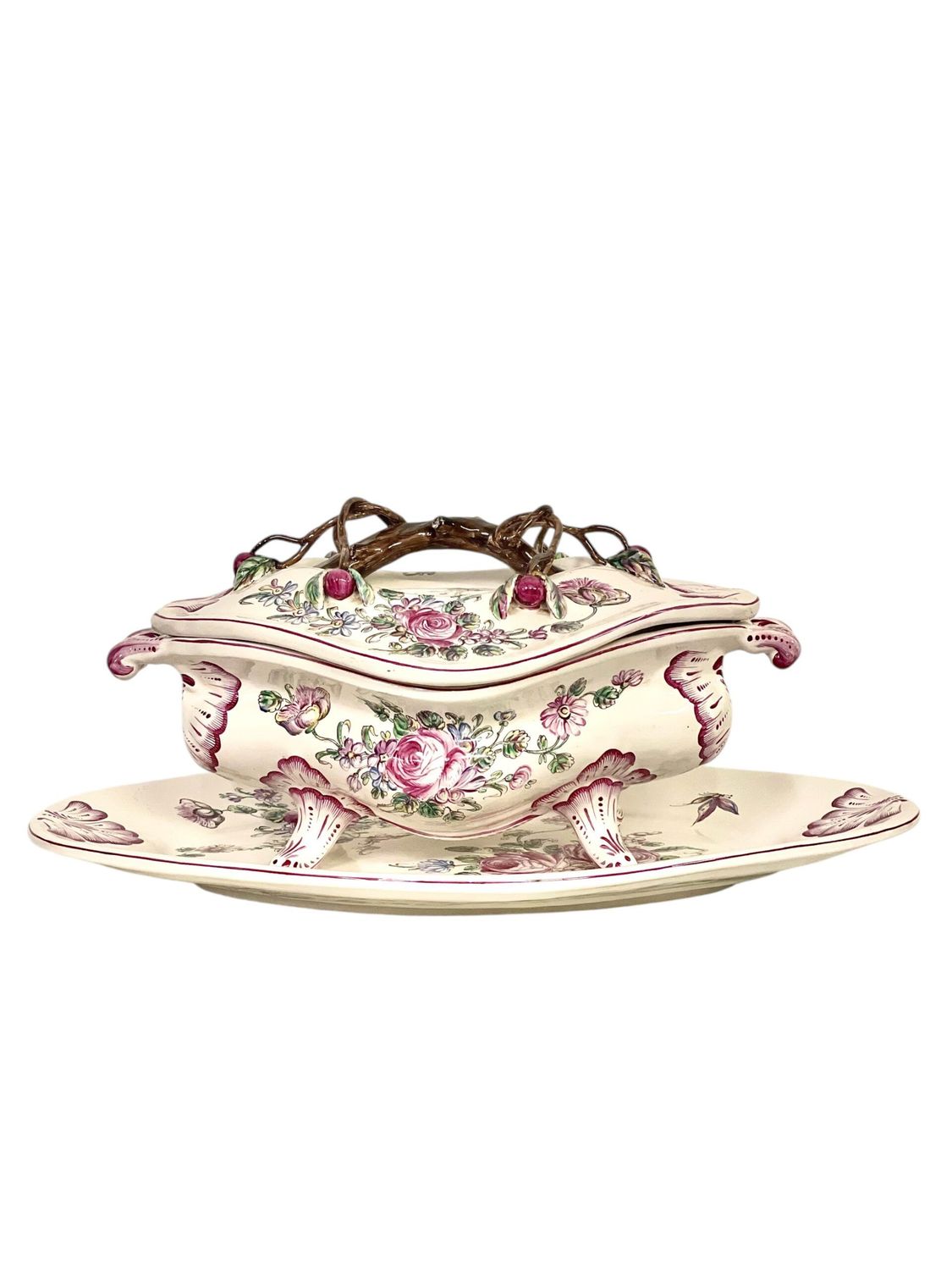
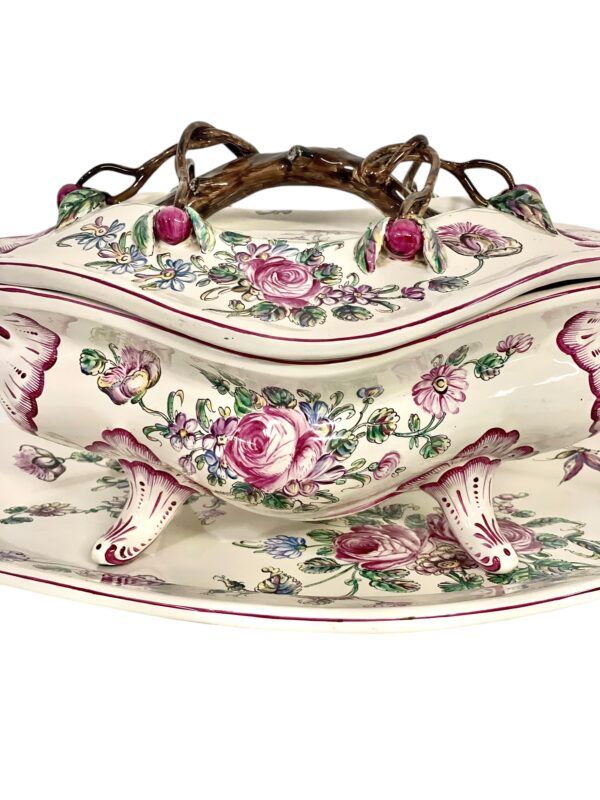
19th Century Faience Soup Tureen with Lid & Platter, Hand-Painted
SKU 00049
880.00€
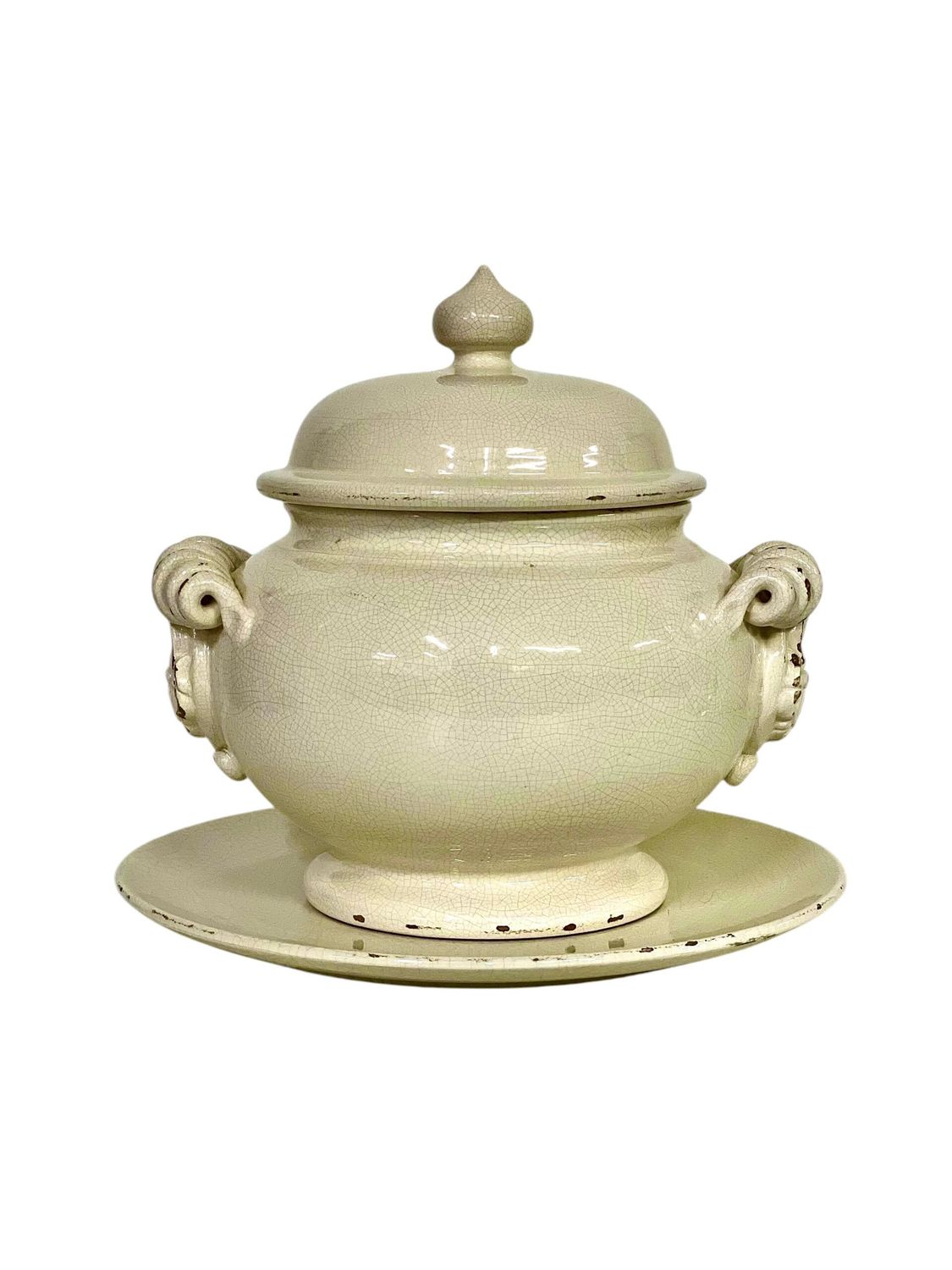
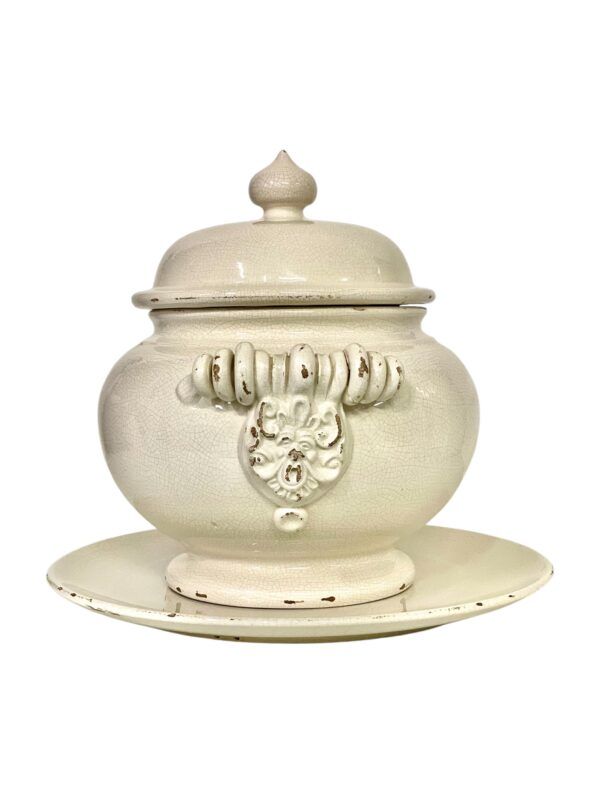
Ceramic Crackle Gazle Tureen with Lid and Plate, 19th Century
SKU 00067
1 800.00€
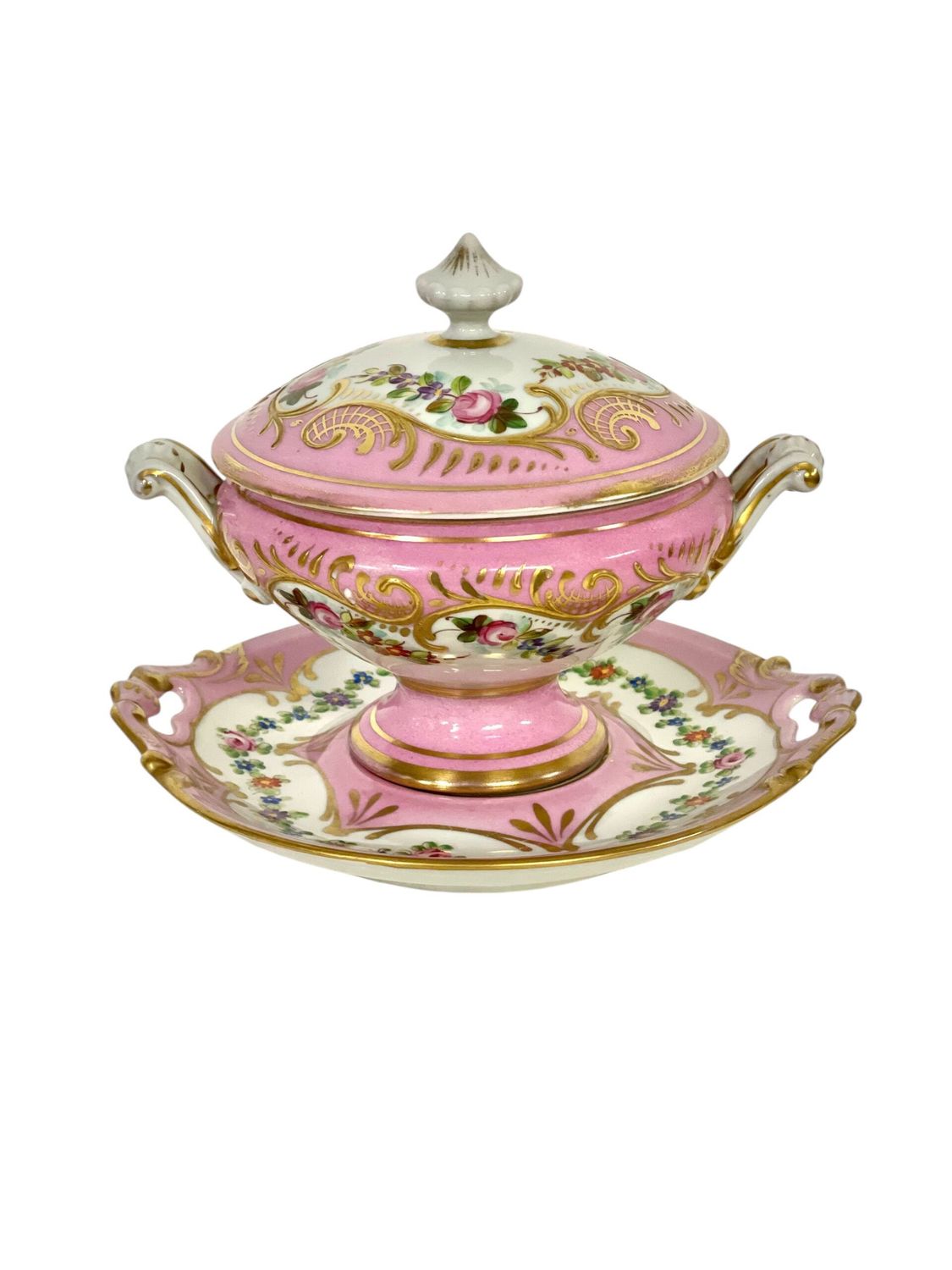
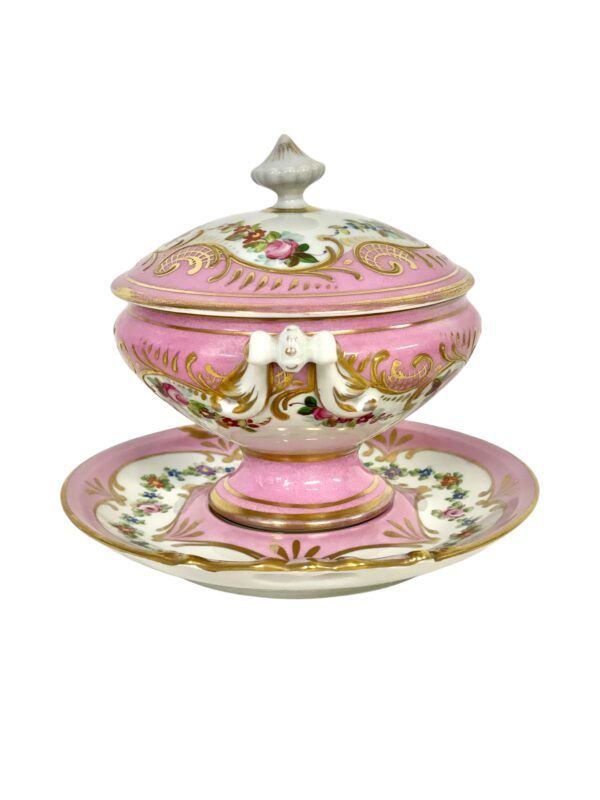
19th Century Limoges Porcelain Pink and Gold Tureen Set
SKU 00113
1 400.00€
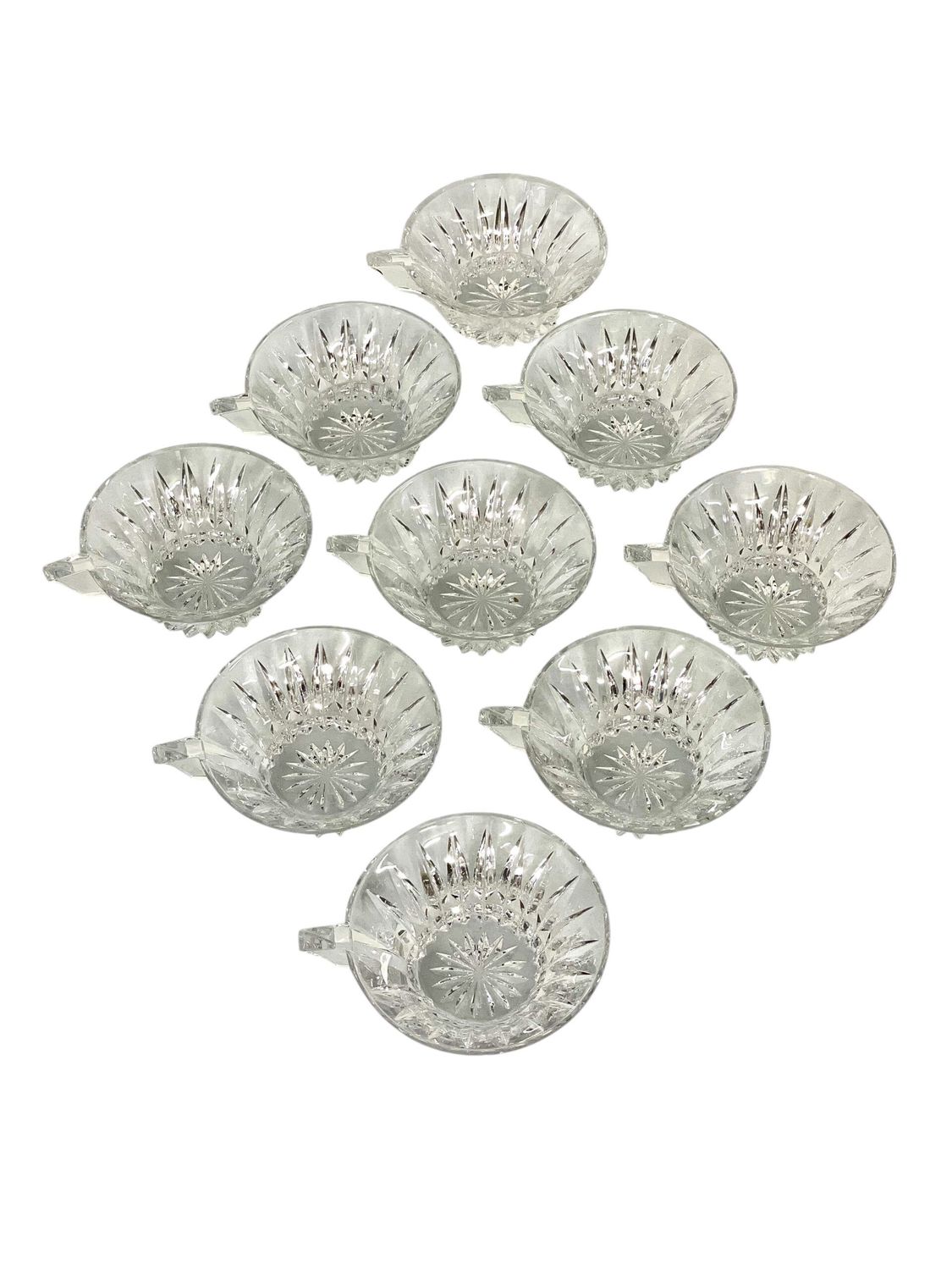
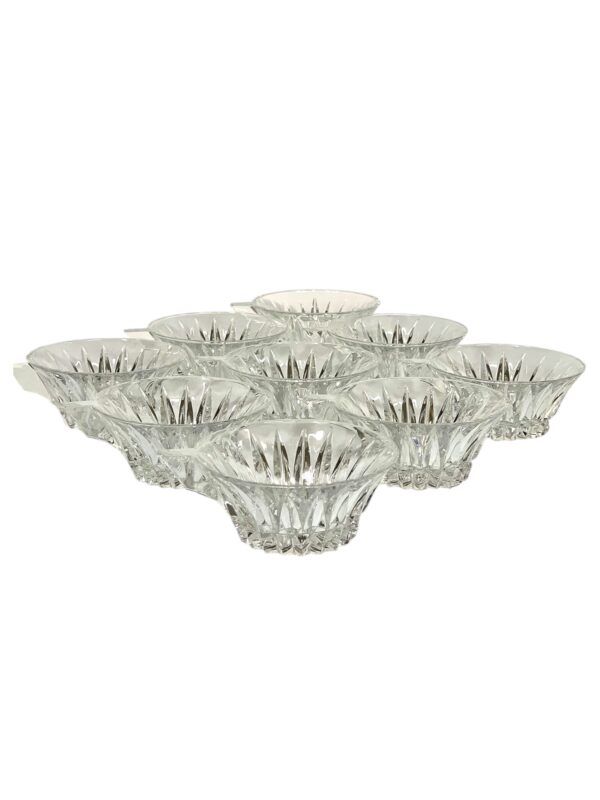
Set of 9 Saint Louis Crystal Handled Bowls – Buckingham Pattern, France
SKU 00019
1 600.00€
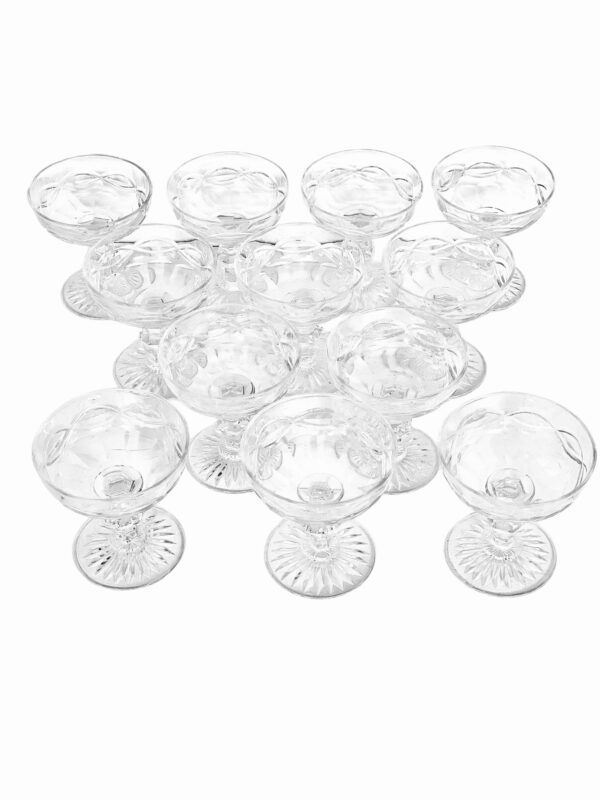
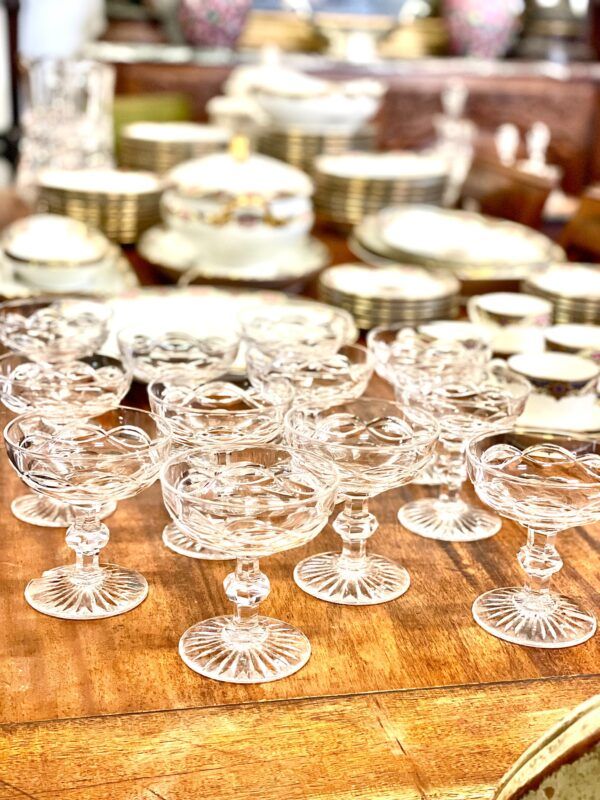
Suite of 12 Baccarat Style Crystal Coupes, 19th Century
SKU 00058
1 800.00€
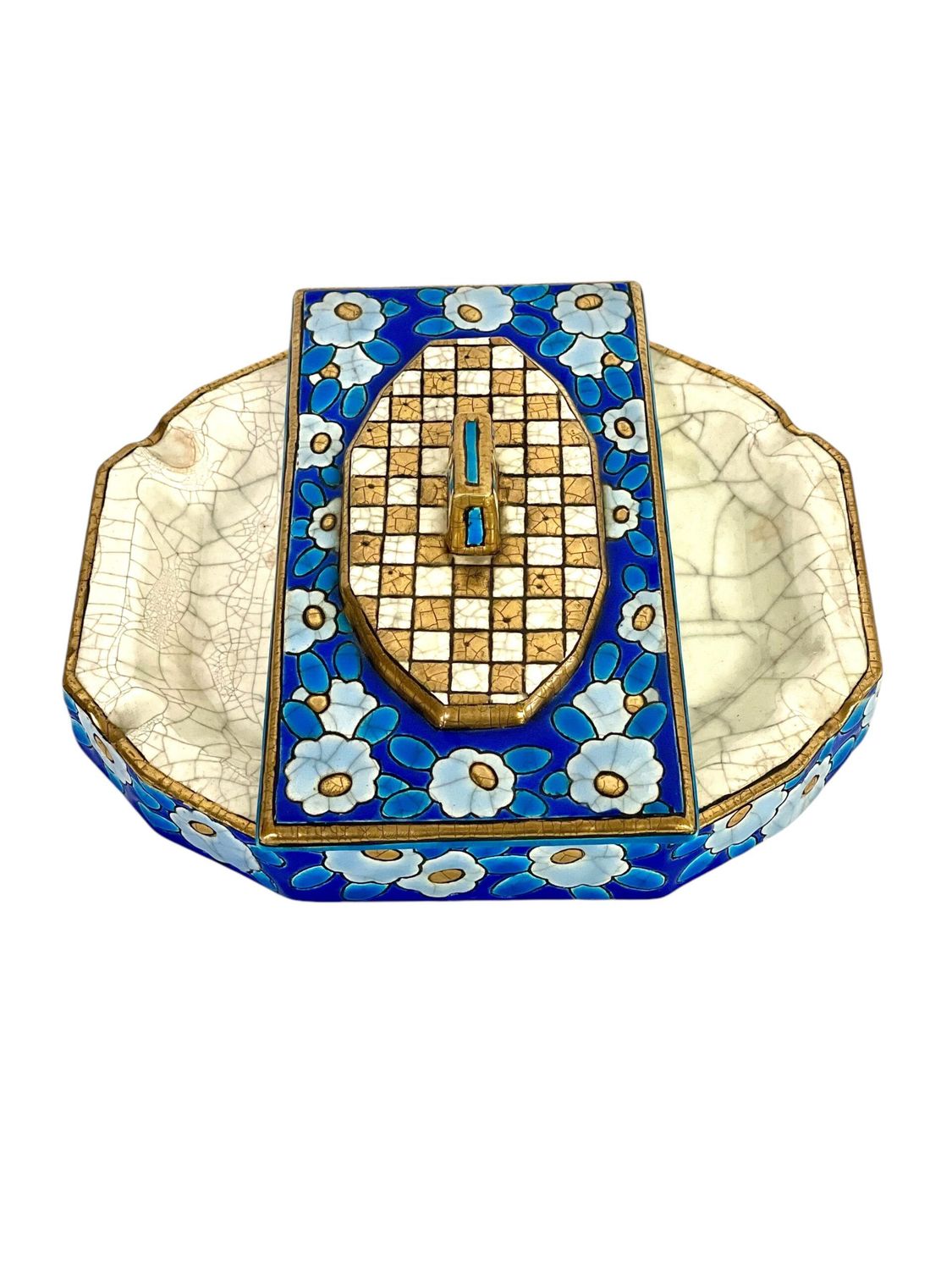
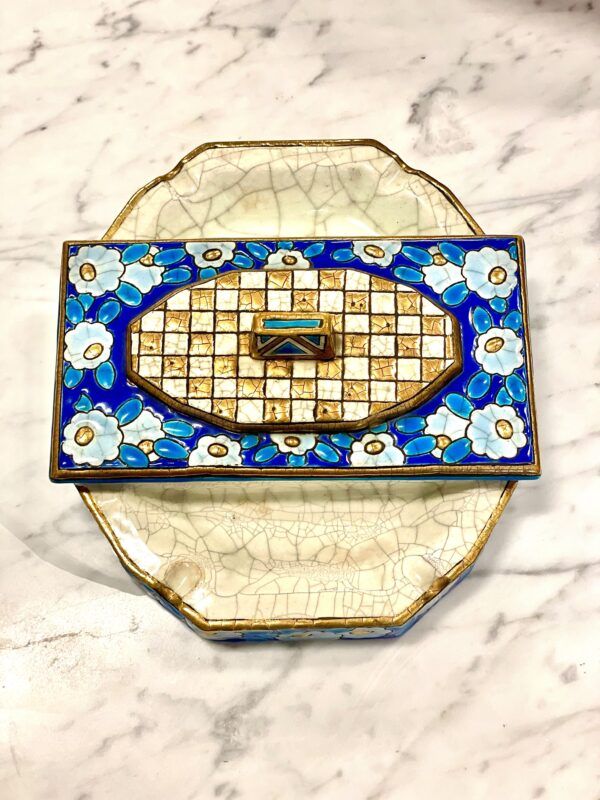
Longwy Enamel Floral Lidded Catchall
SKU 00074
1 100.00€
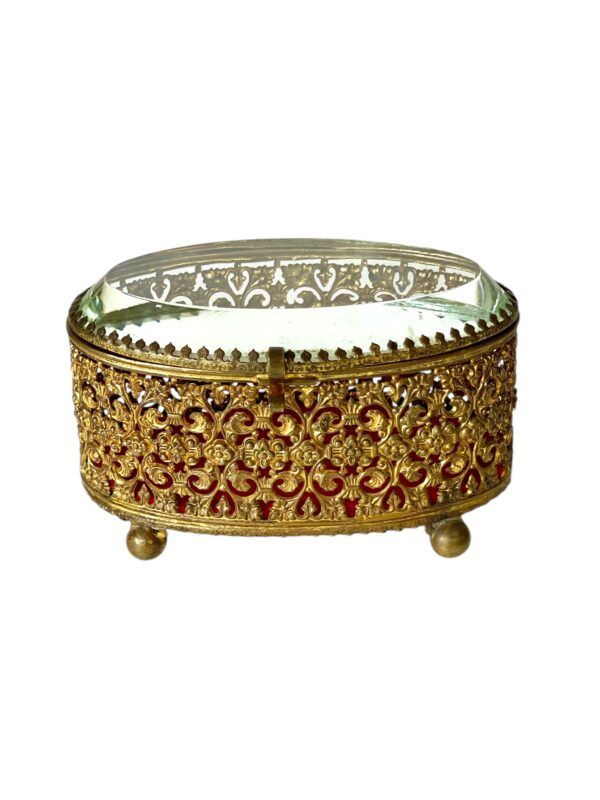
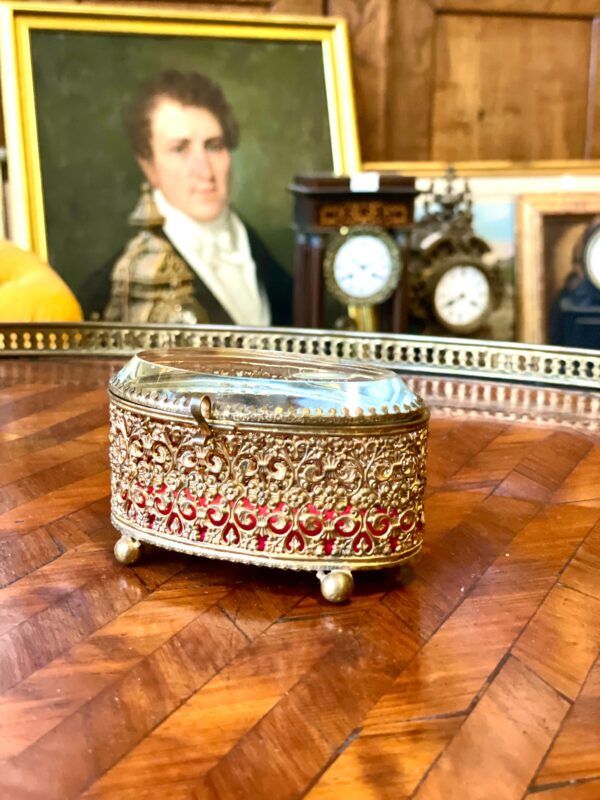
Jewelry Casket in Gilt Bronze and Beveled Glass, 19th Century
SKU 00083
600.00€
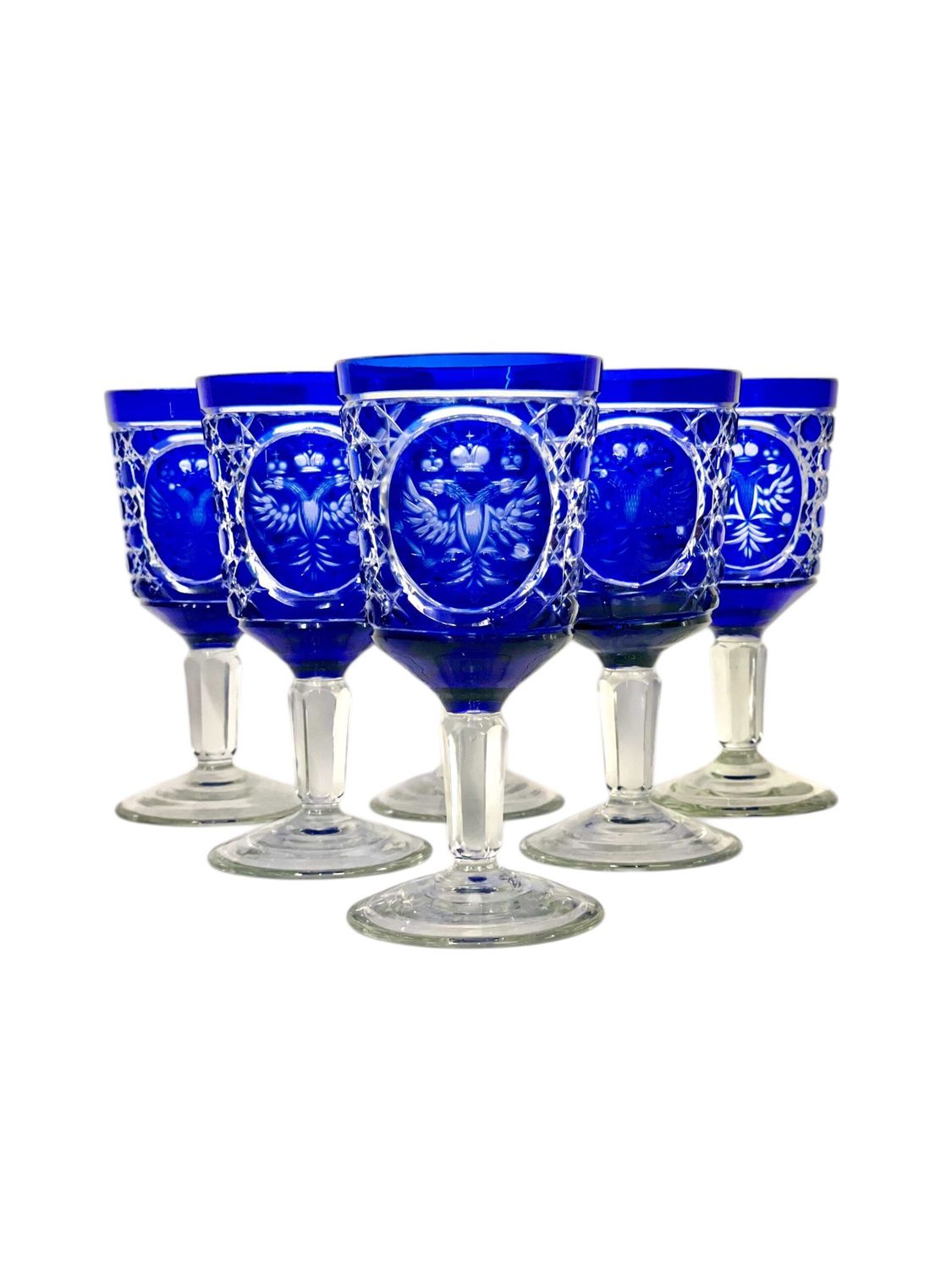

Set of 6 Bohemian Cobalt Blue Overlay Crystal Goblets
SKU 00073
1 200.00€
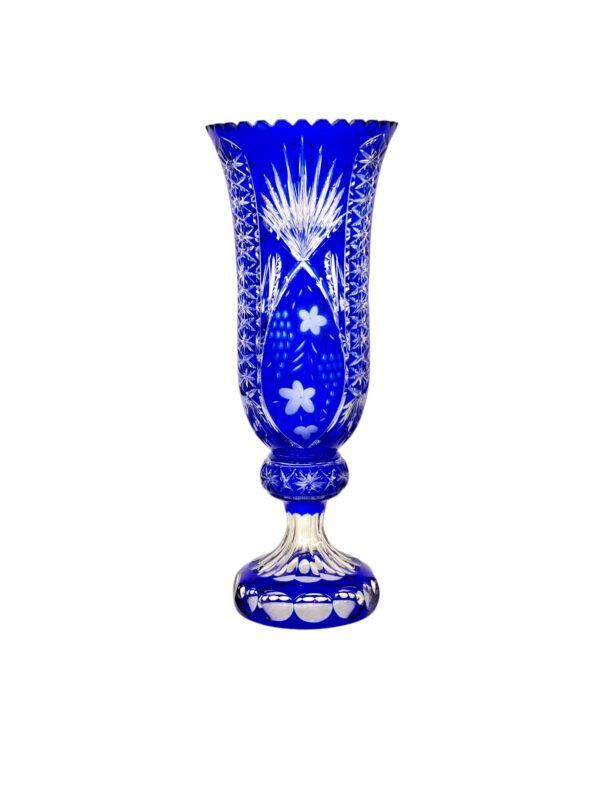
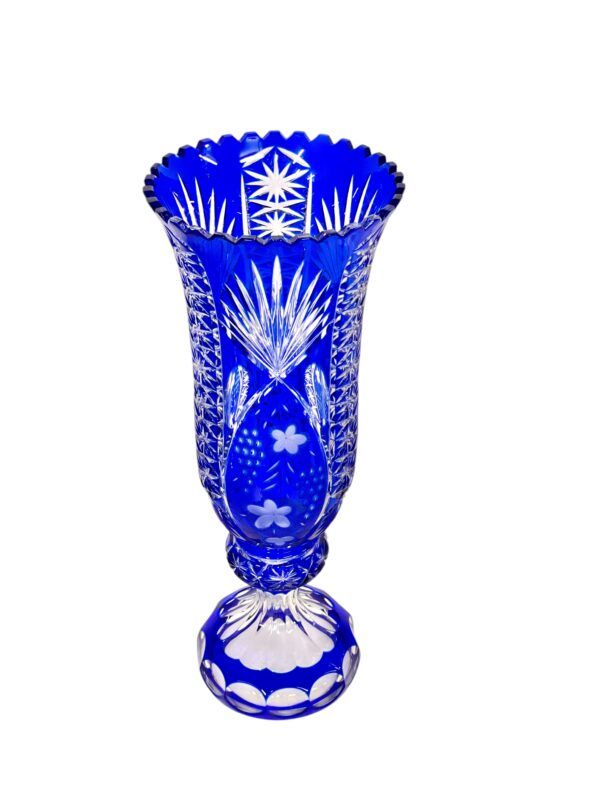
Tall Blue Overlay Crystal Vase with Floral and Starburst Cut Decoration
SKU 00076
Out of Stock
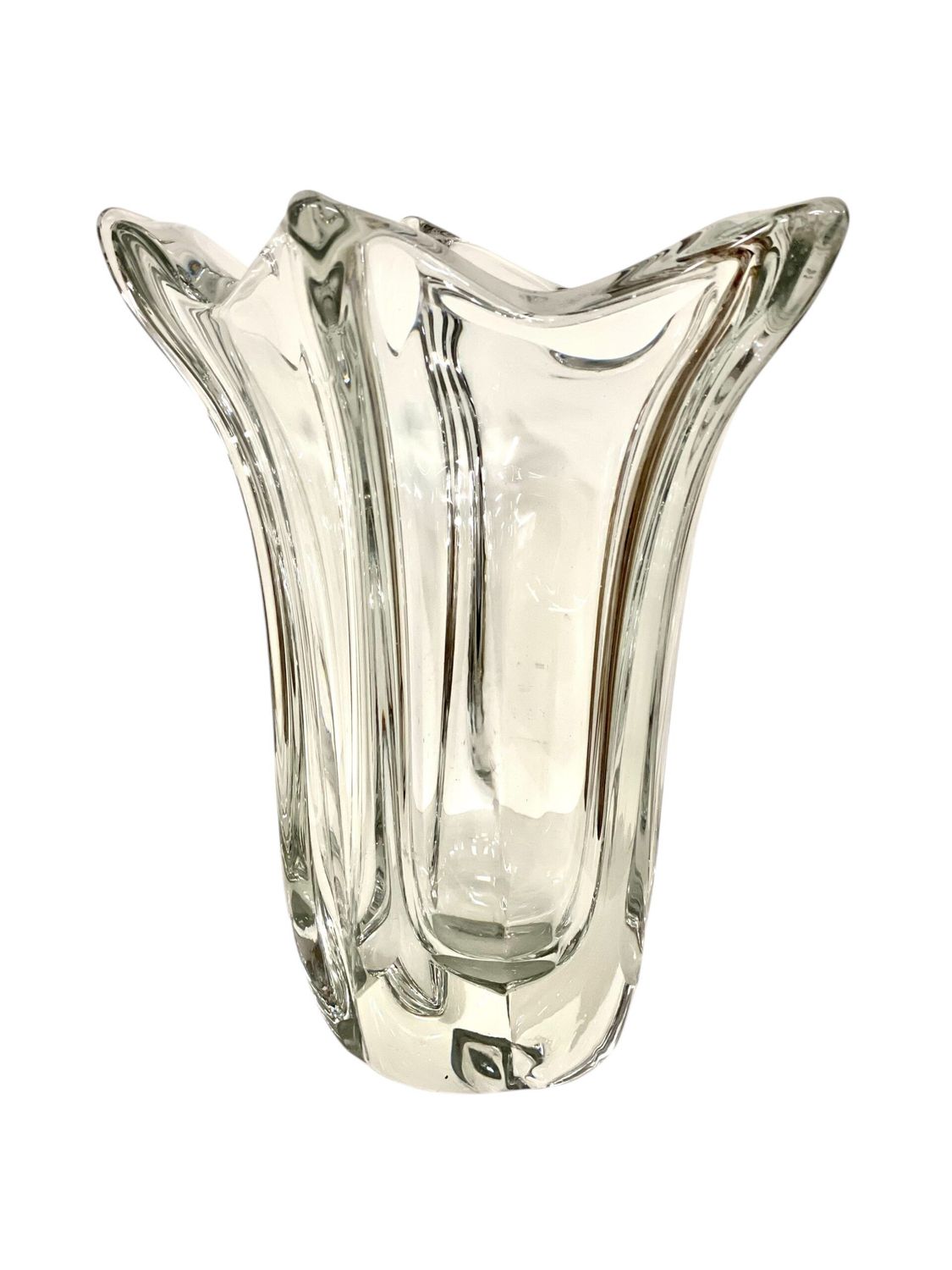
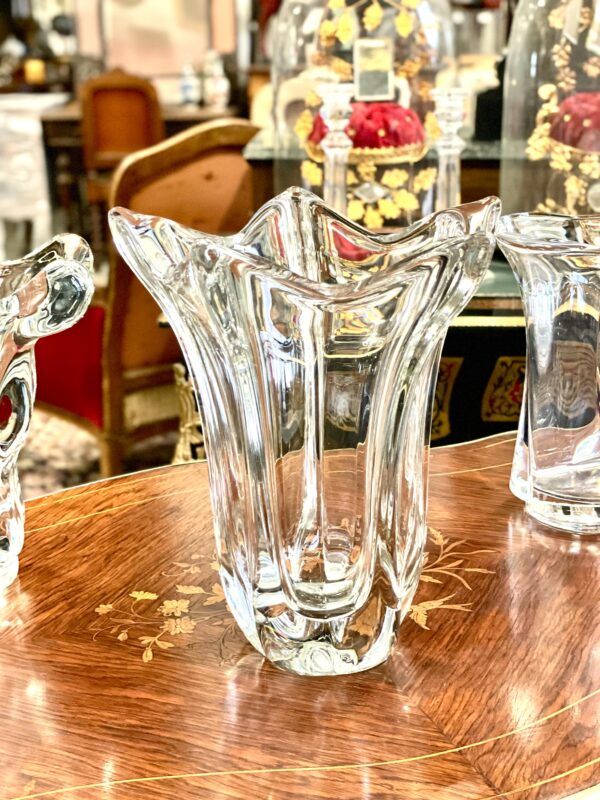
Heavy Crystal Vase Attributed to Daum Nancy
SKU 00089
1 300.00€
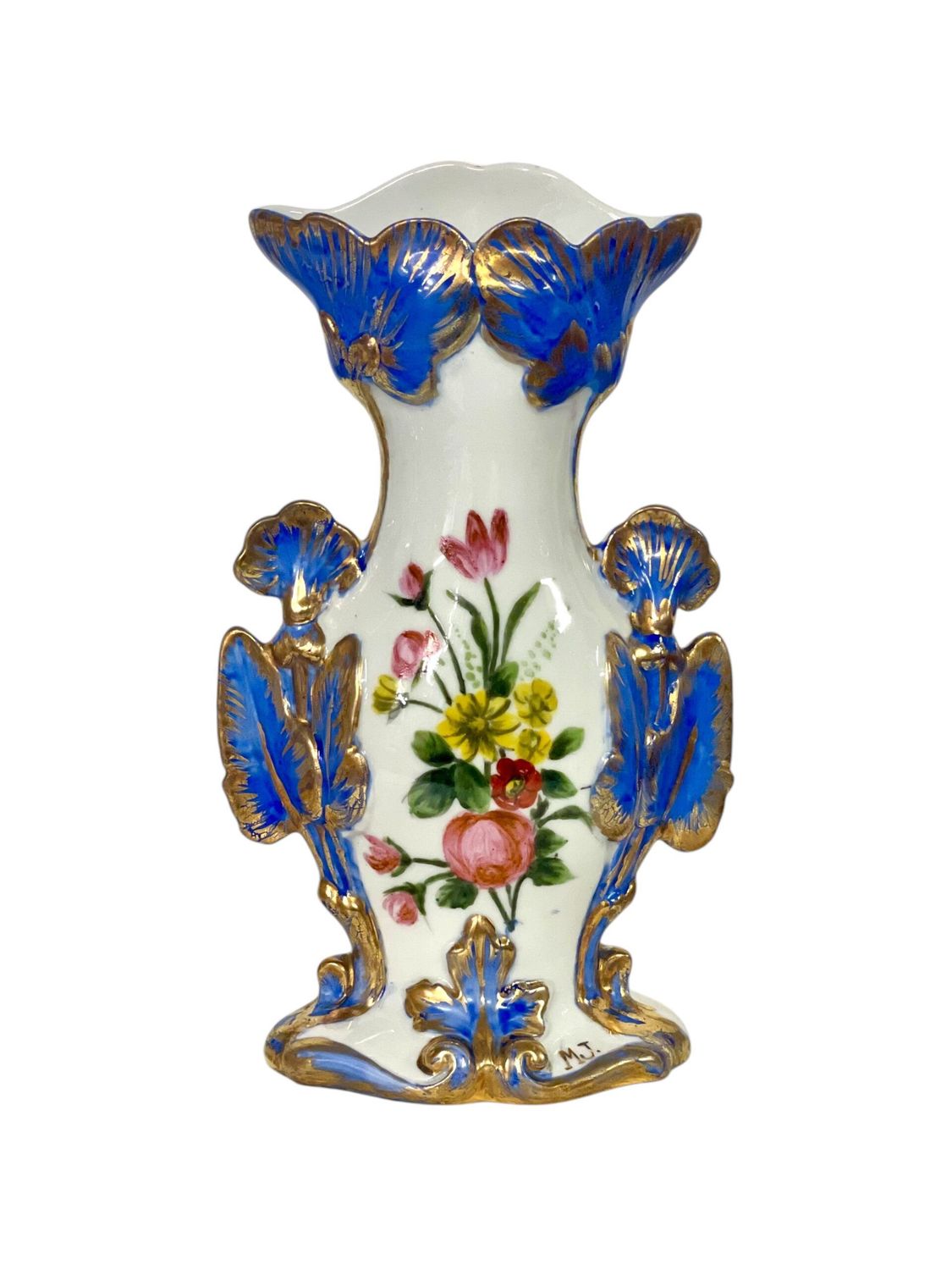
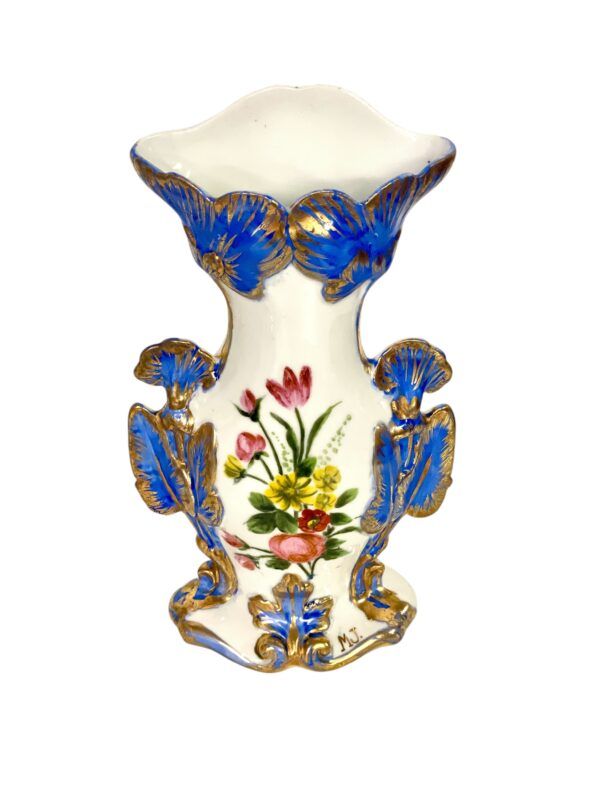
19th Century Porcelain Wedding Vase with Gilded Accents
SKU 00092
700.00€
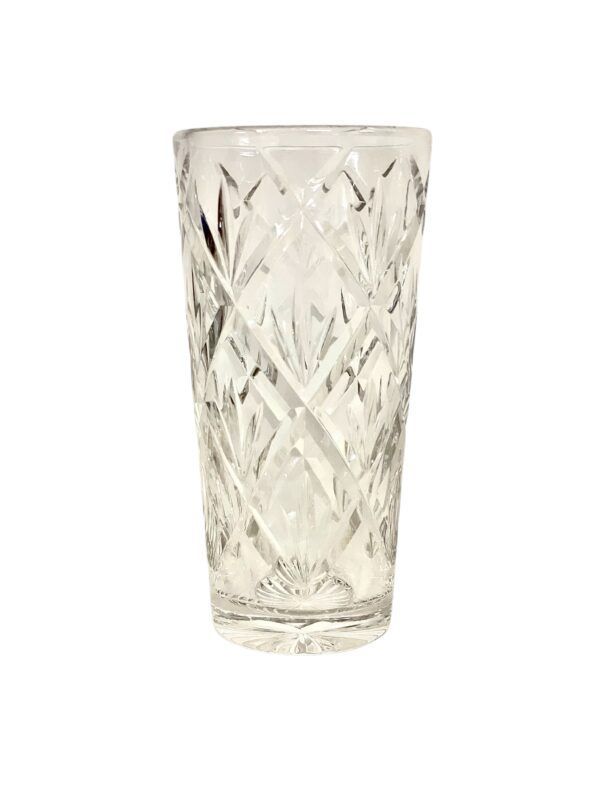
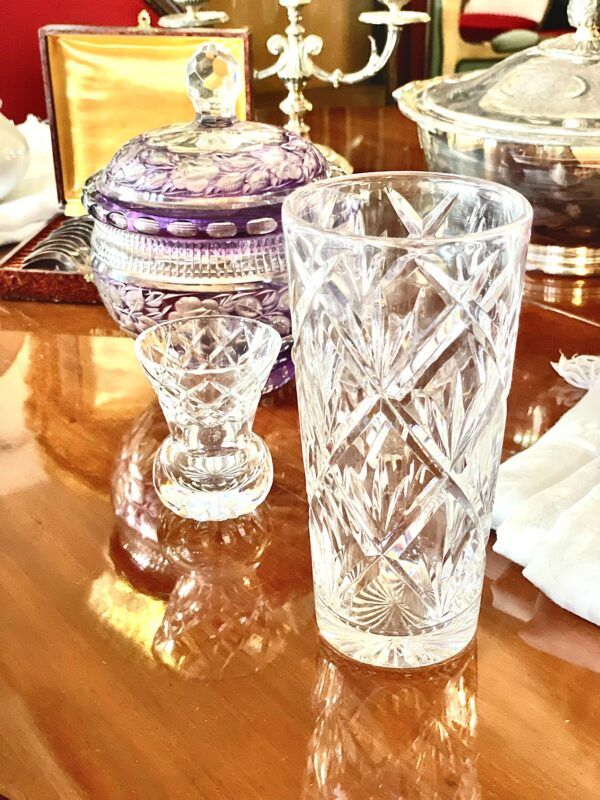
20th Century Cut Crystal Vase
SKU 00094
300.00€
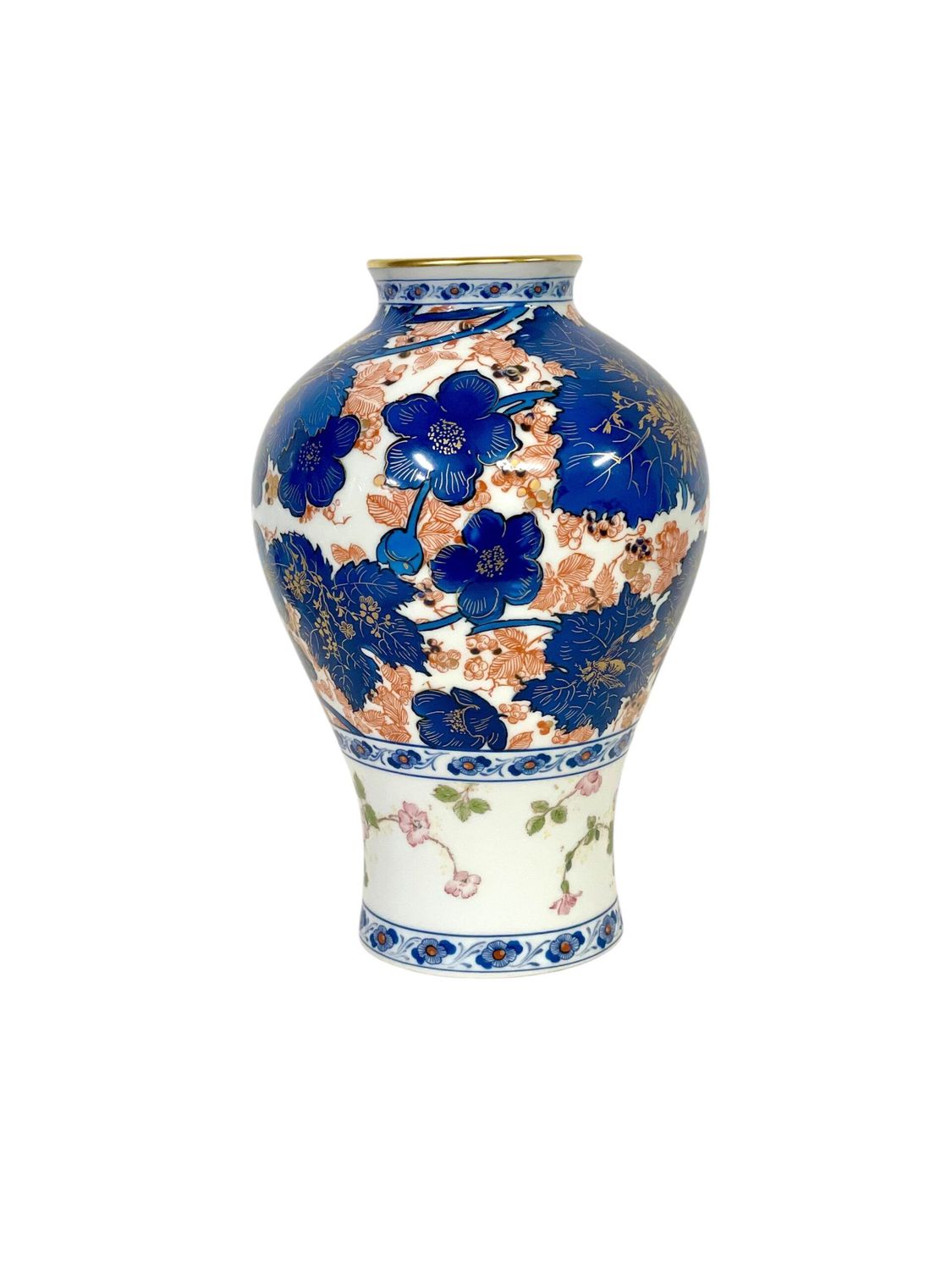
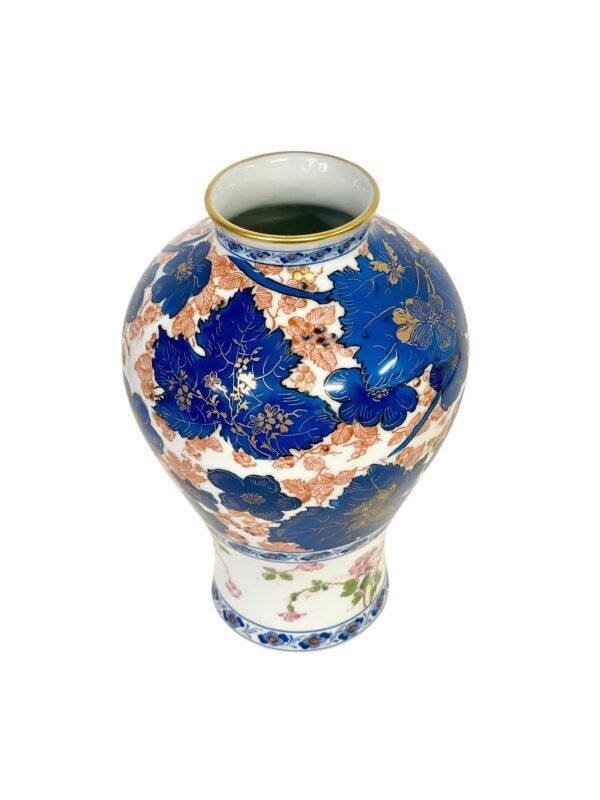
Rare Haviland Limoges Vase. Limited Edition N°2212
SKU 00117
1 500.00€
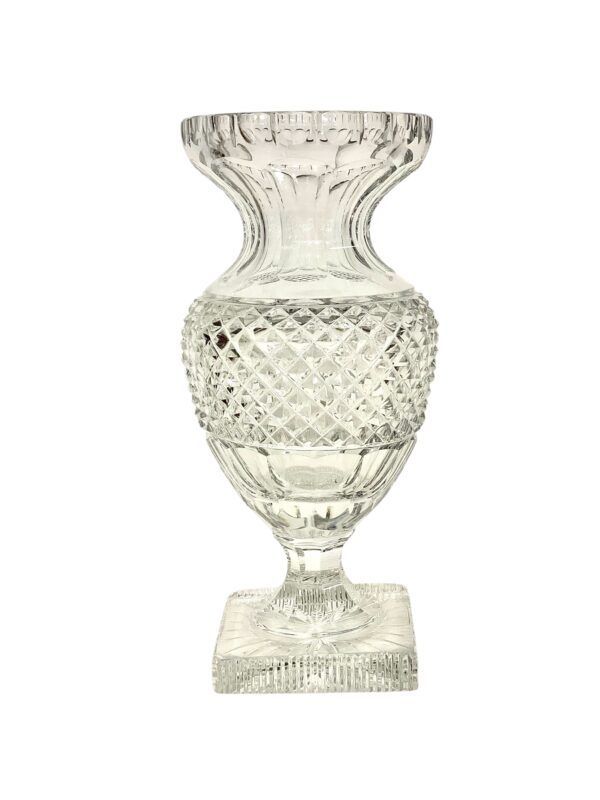

Saint-Louis (attributed) Diamond-Cut Medici Crystal Vase
SKU 00123
2 600.00€
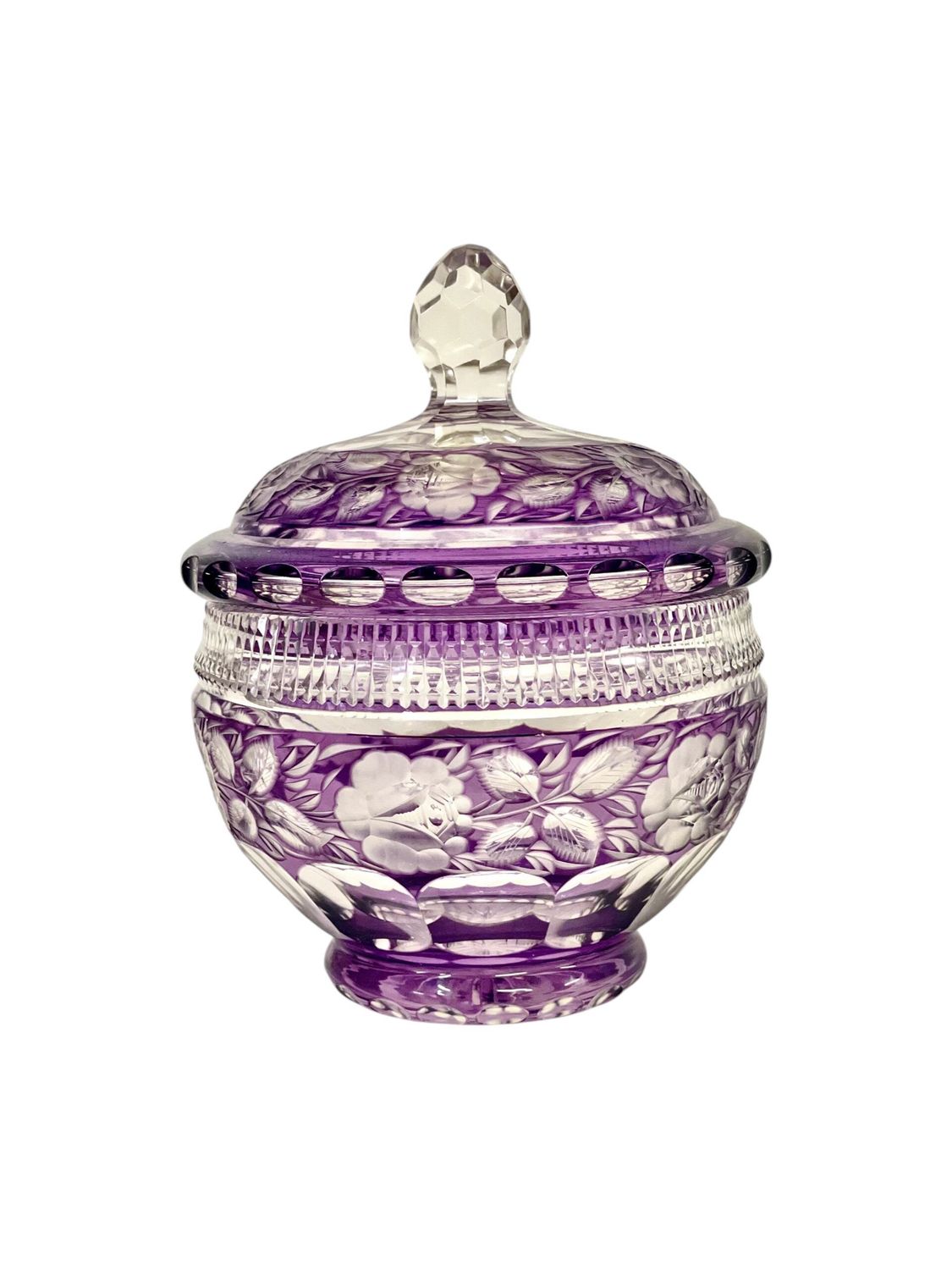
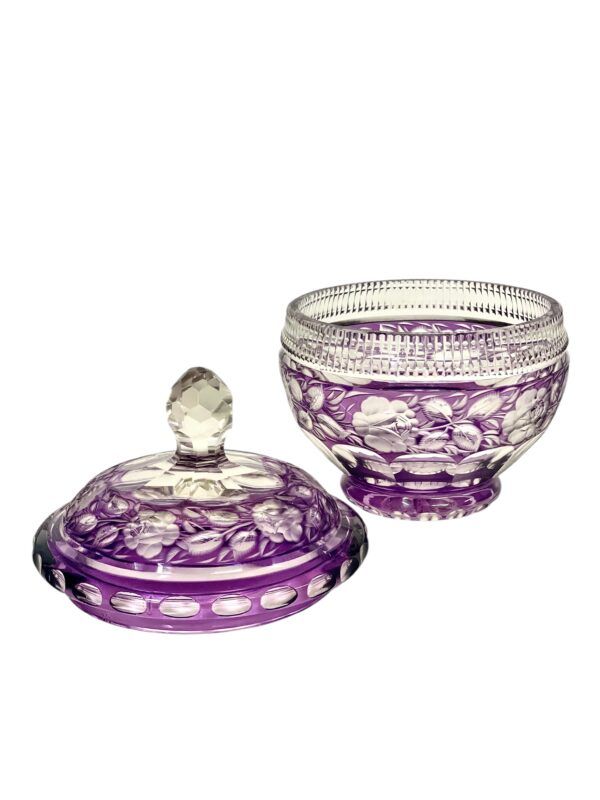
20th Century Amethyst Cut Crystal Bonbonnière
SKU 00125
Out of Stock
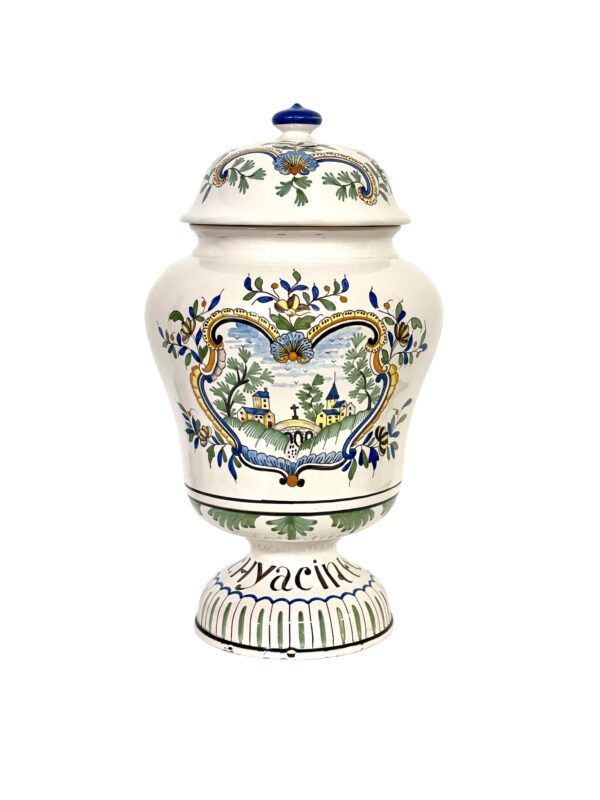
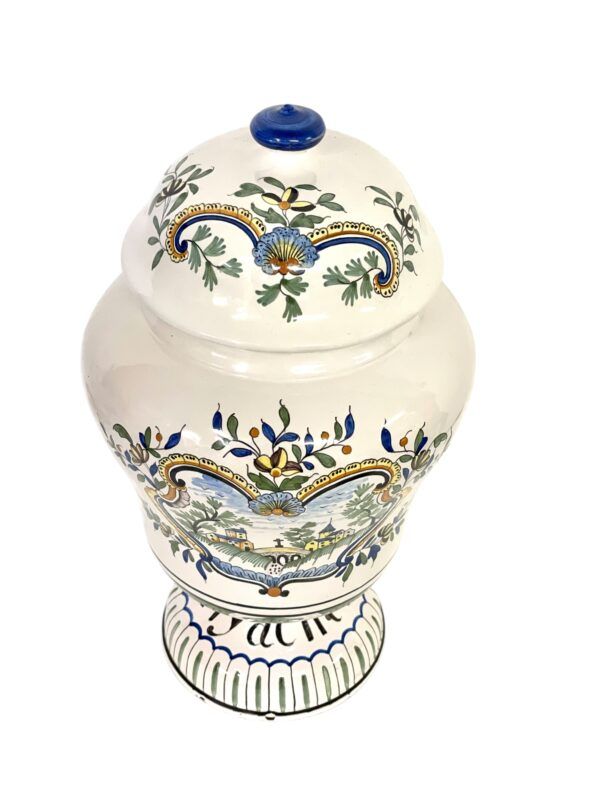
19th Century Rare Ceramic Apothecary Jar with its Lid
SKU 00126
2 100.00€
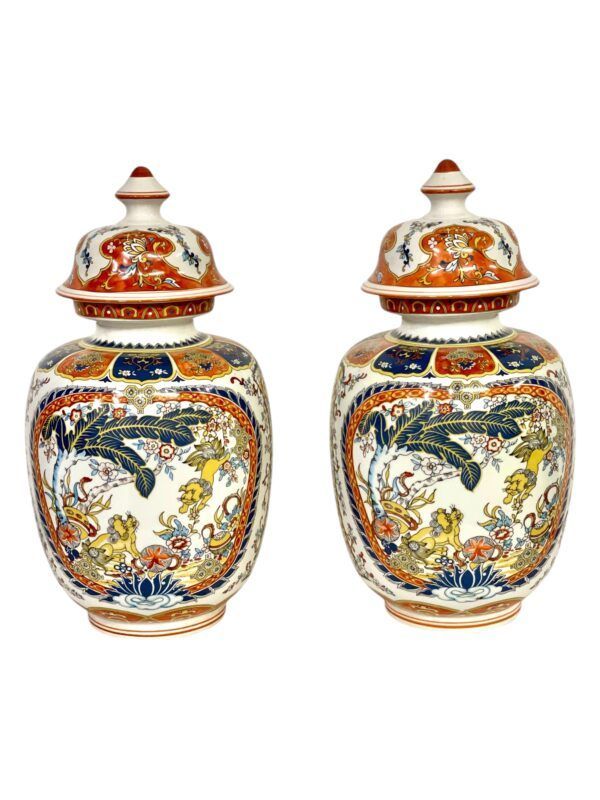
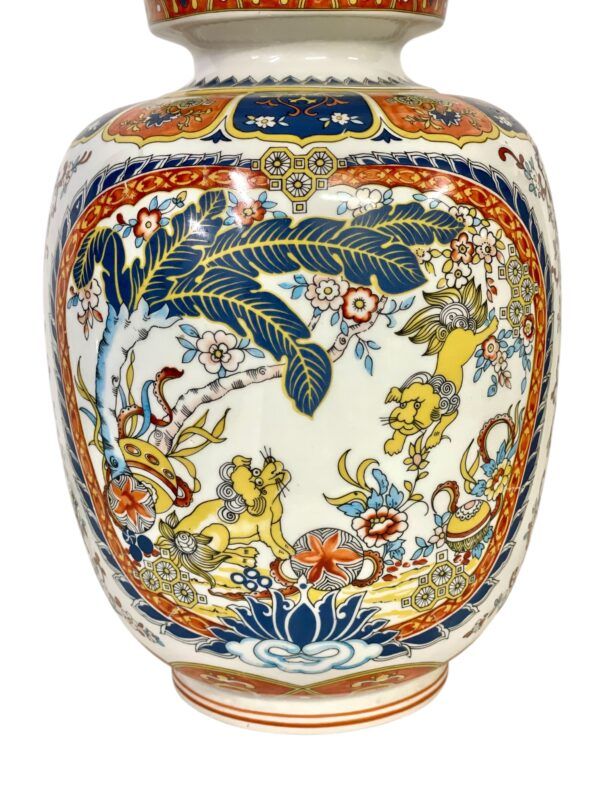
Pair of Chinese Polychrome Porcelain Lidded Vases
SKU 00129
1 900.00€
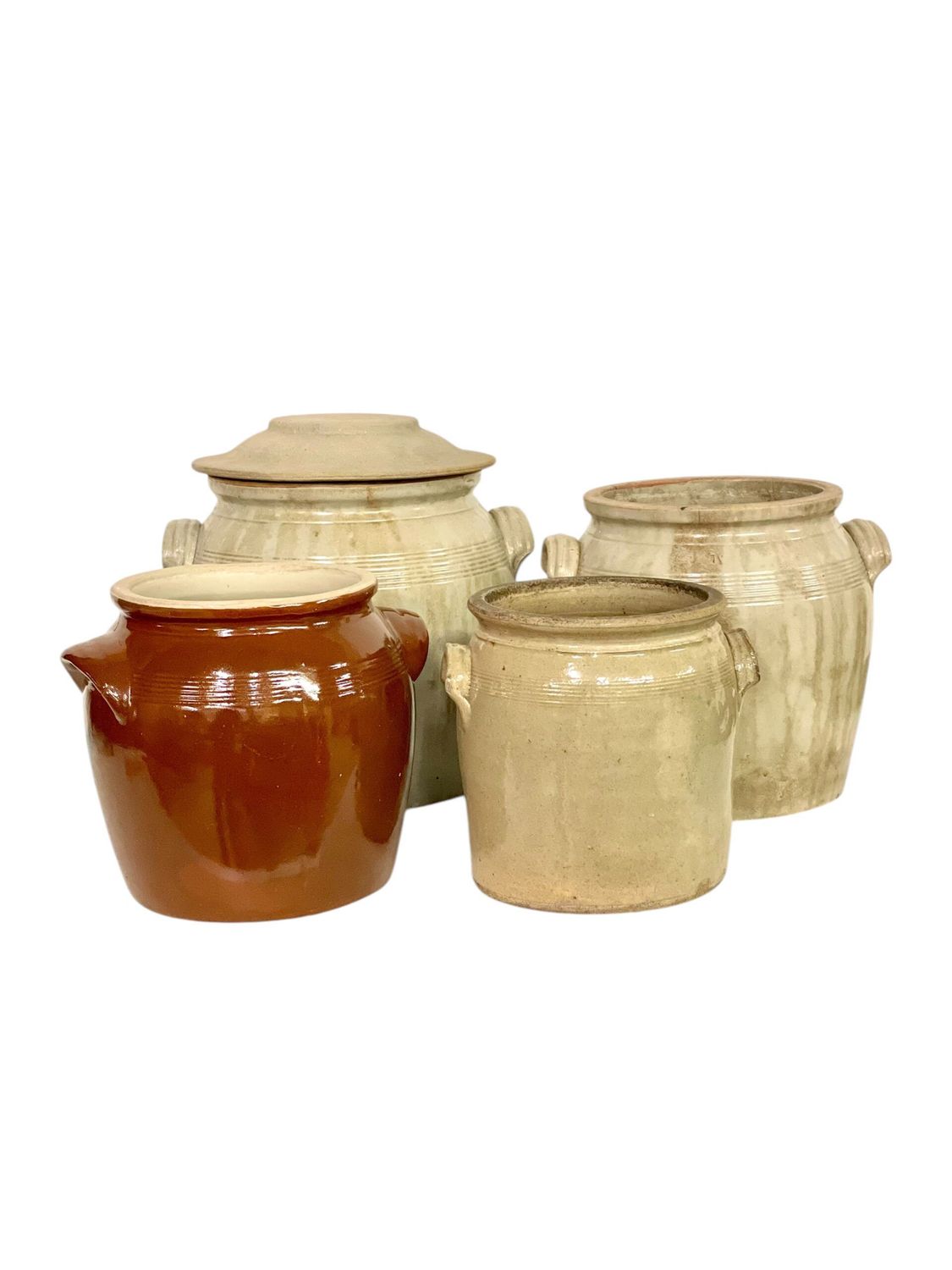
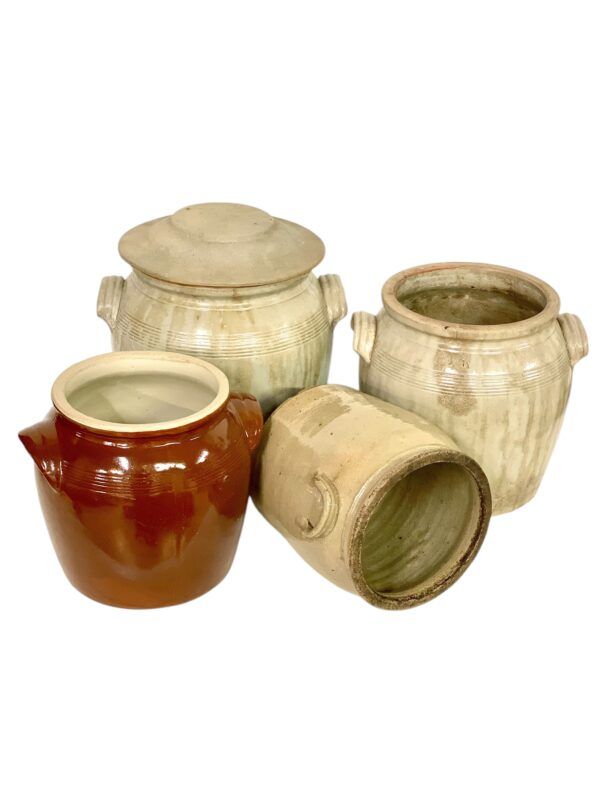
19th Century Set of Four Glazed Terracotta Confit Pots
SKU 00130
3 100.00€
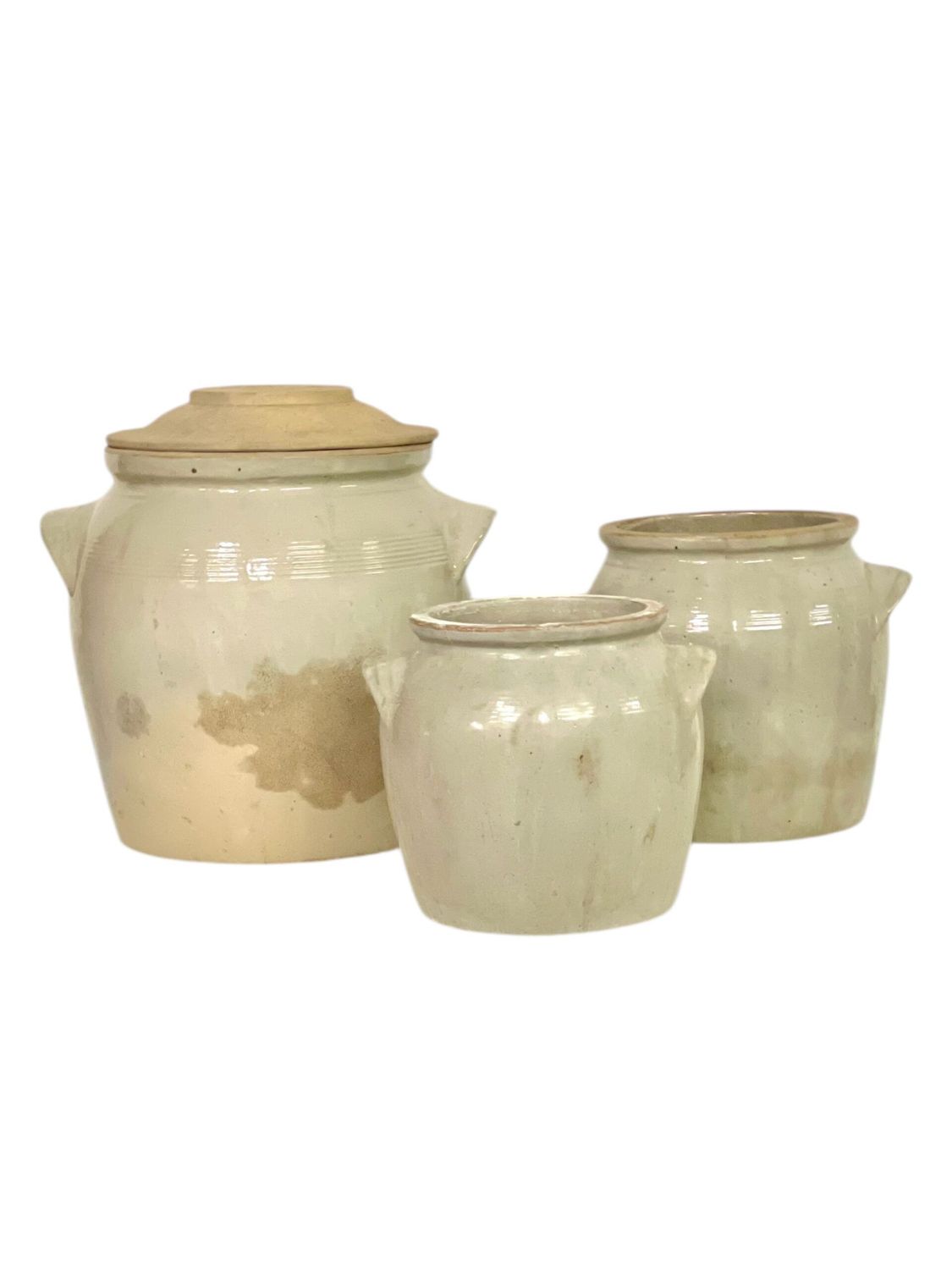
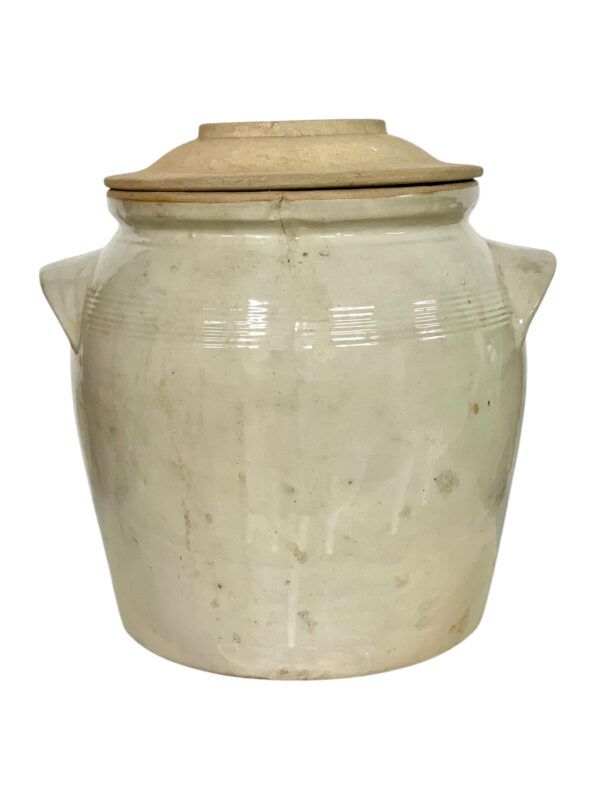
19th Century set of Three Glazed Confit Pots
SKU 00131
3 900.00€
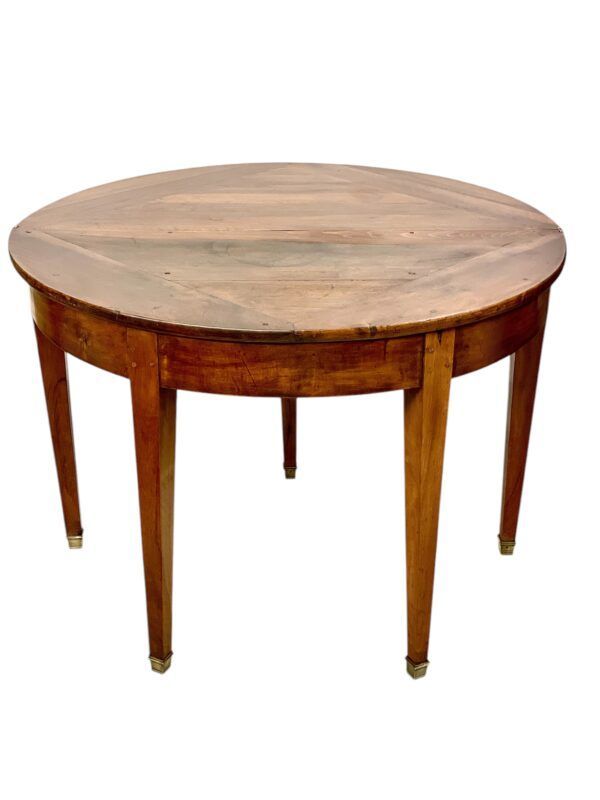
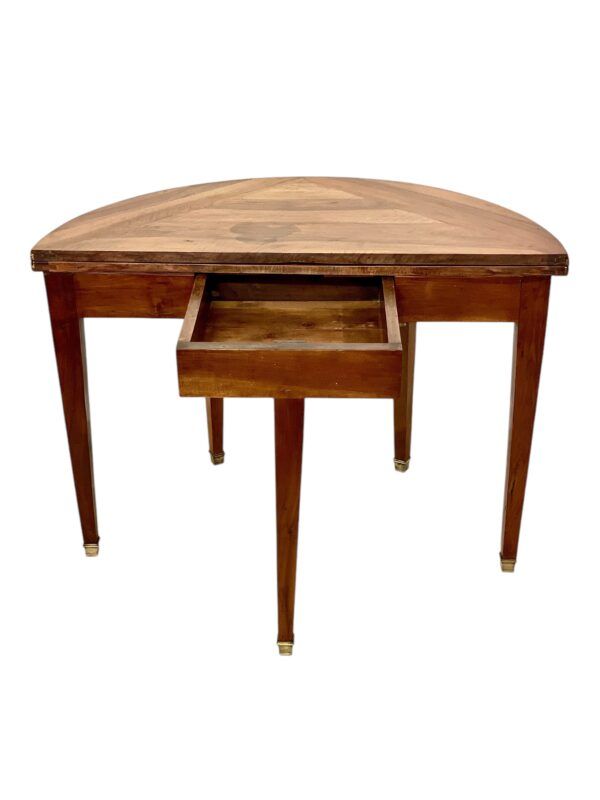
19th Century Walnut Folding Dining or Console Table
SKU 00142
5 200.00€
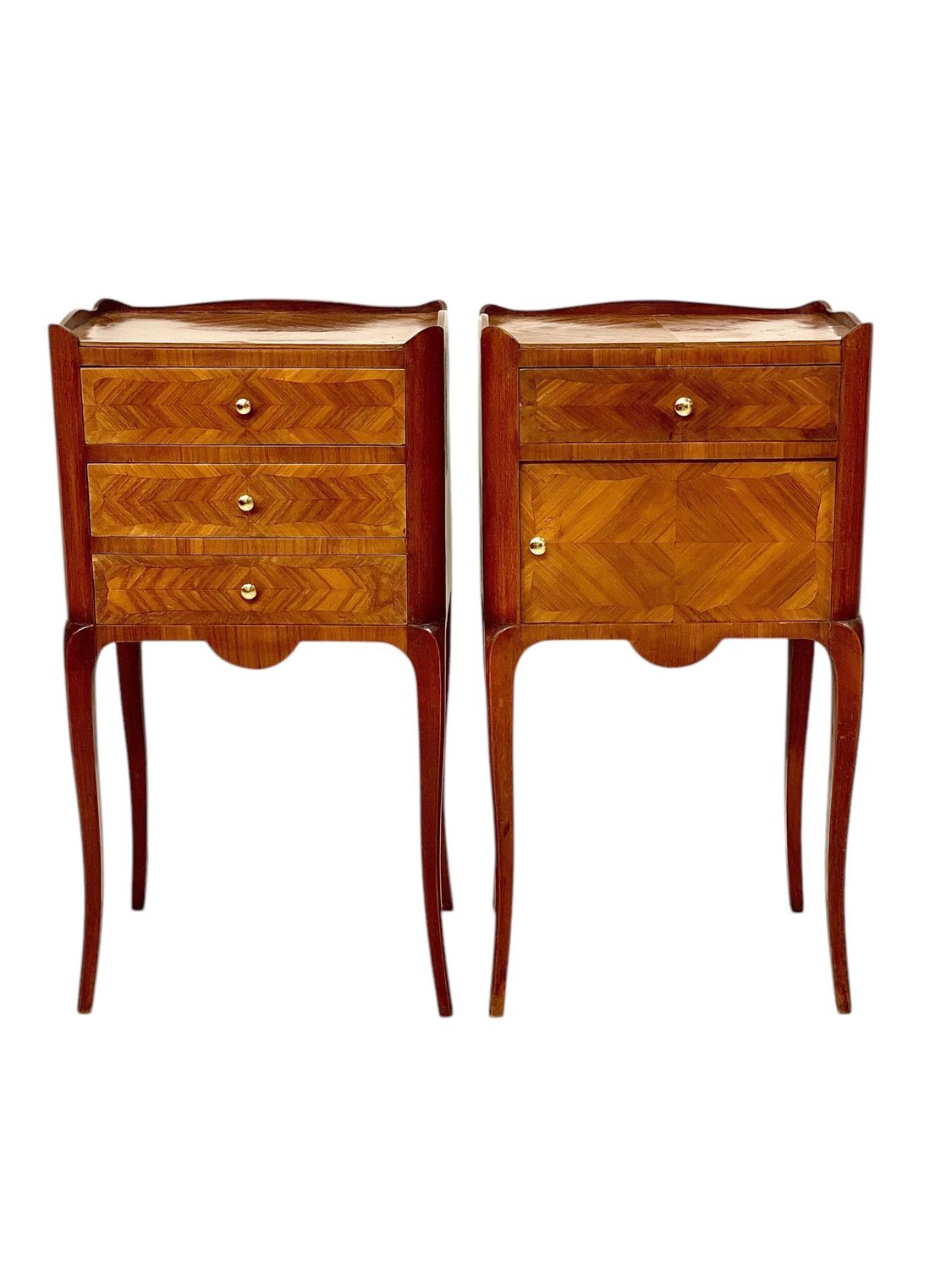
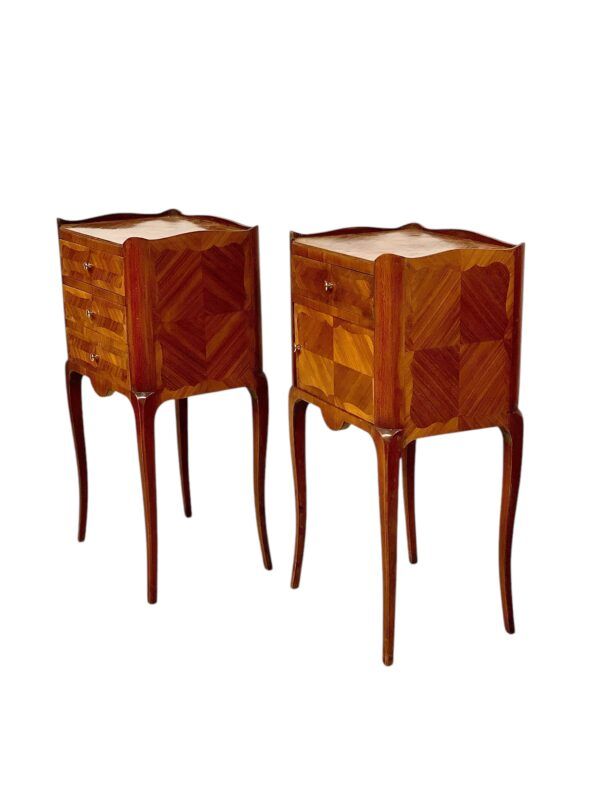
Pair of Inlaid Nightstands, Early 20th Century
SKU 00146
Out of Stock
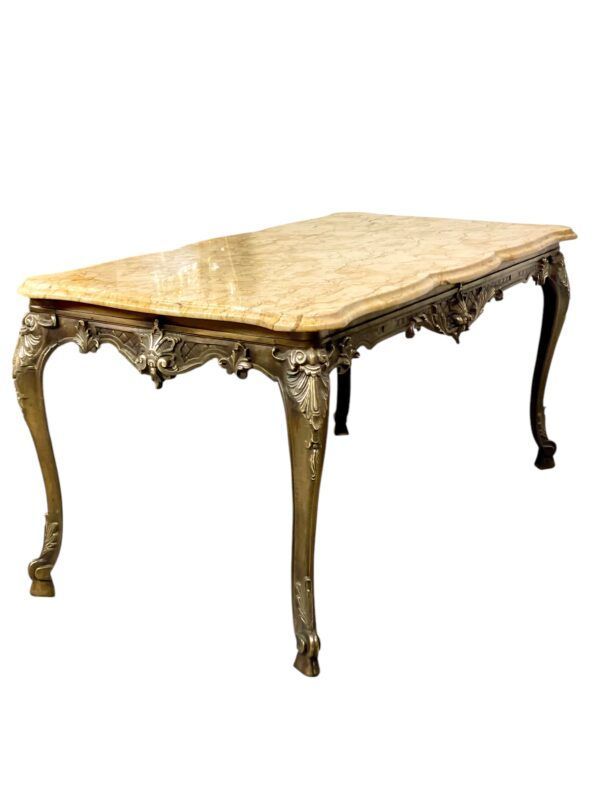

French Louis XV Style Coffee Table 20th Century
SKU 00141
1 900.00€
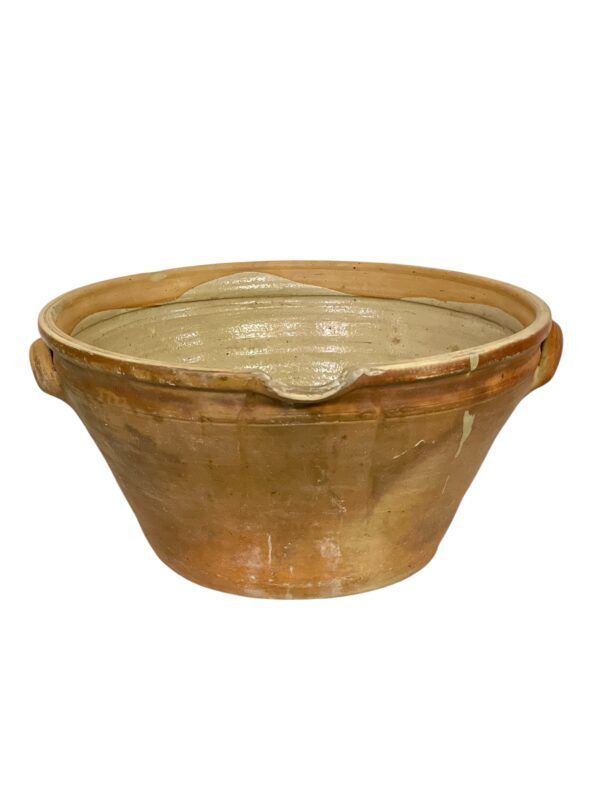
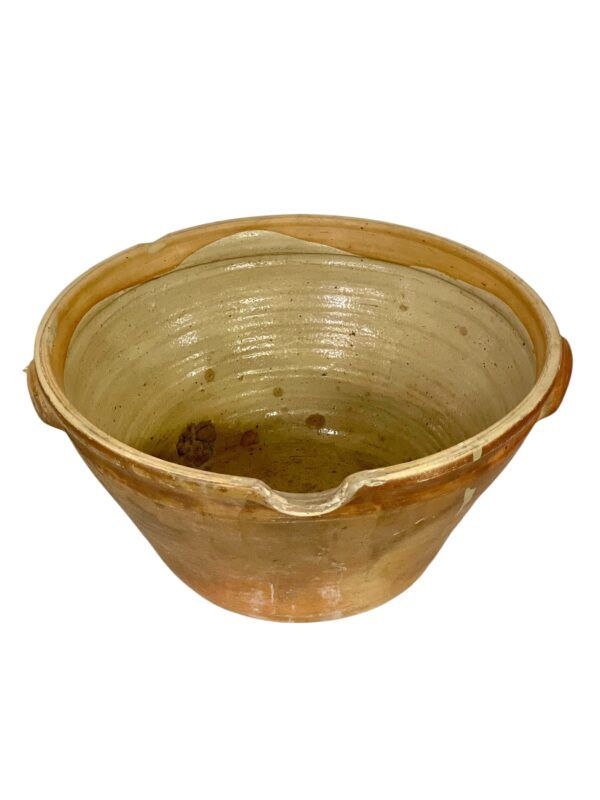
19th Century Large Glazed Terracotta Mixing Bowl
SKU 00140
1 500.00€
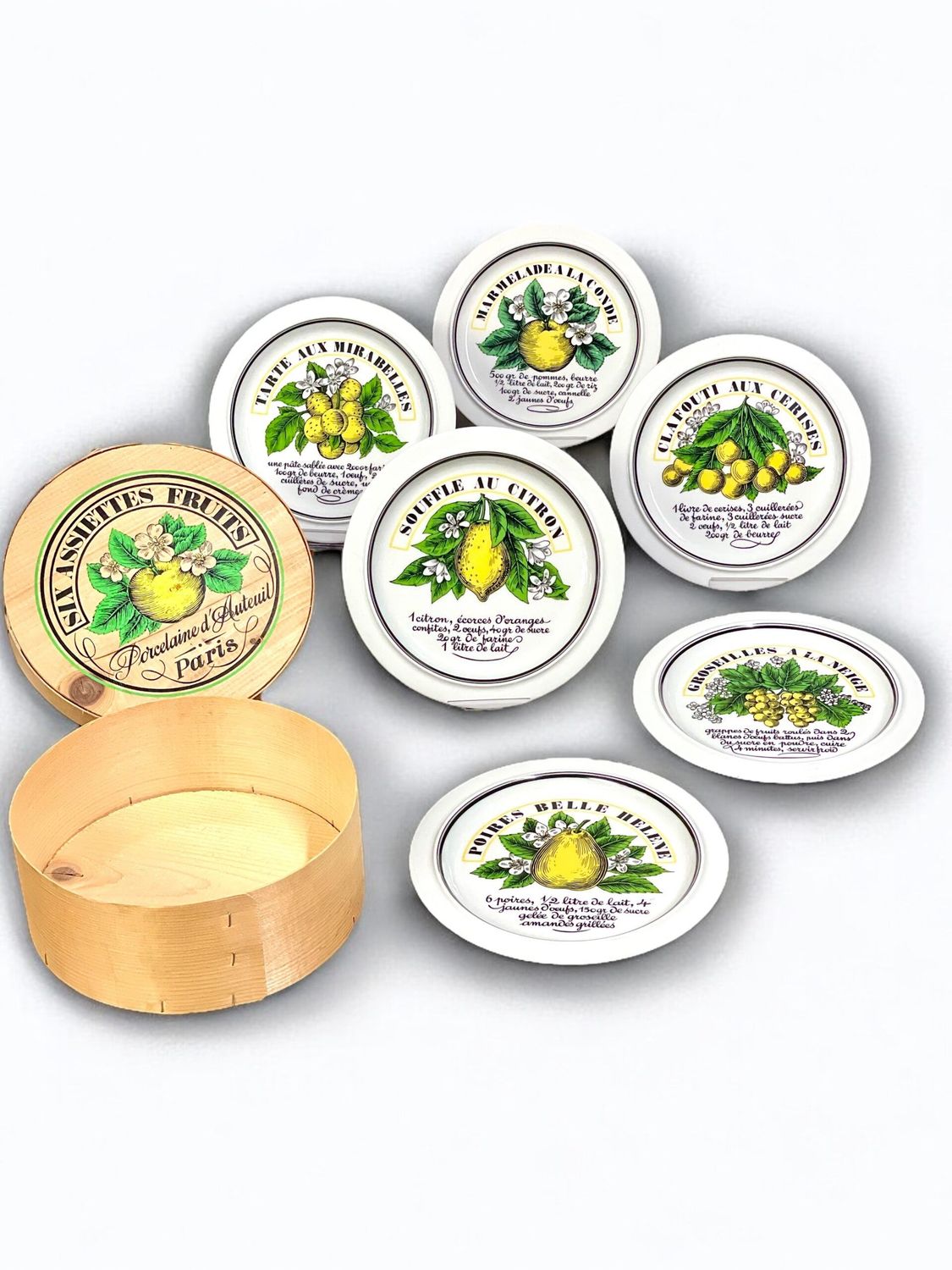

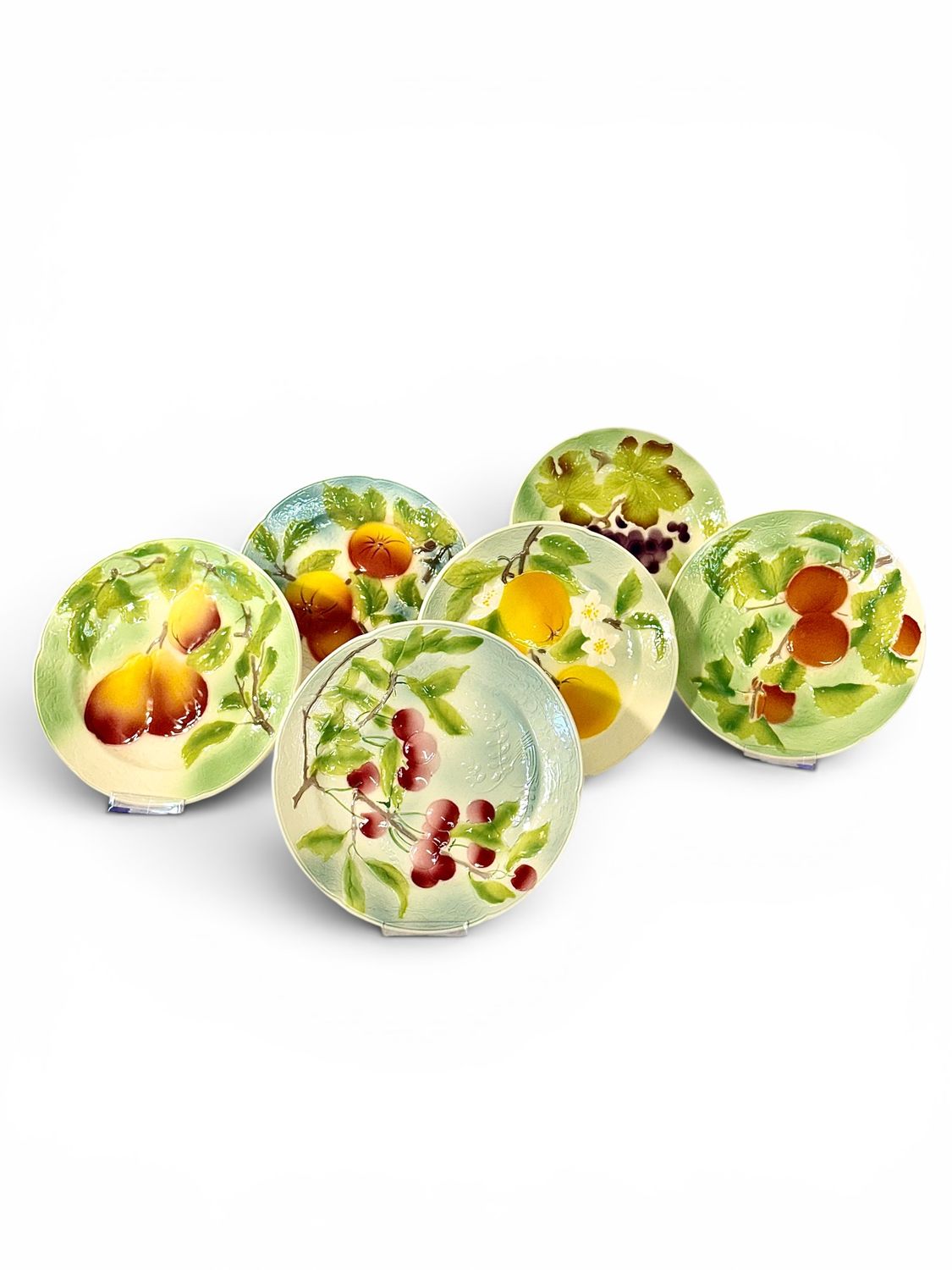
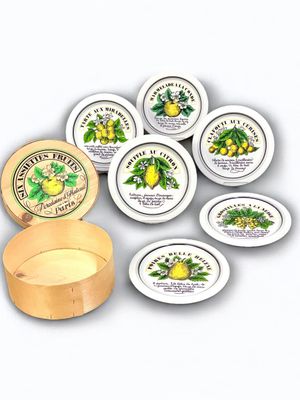
Set of Six Dessert Plates by Porcelaine d’Auteuil, Paris
SKU 00145
1 300.00€
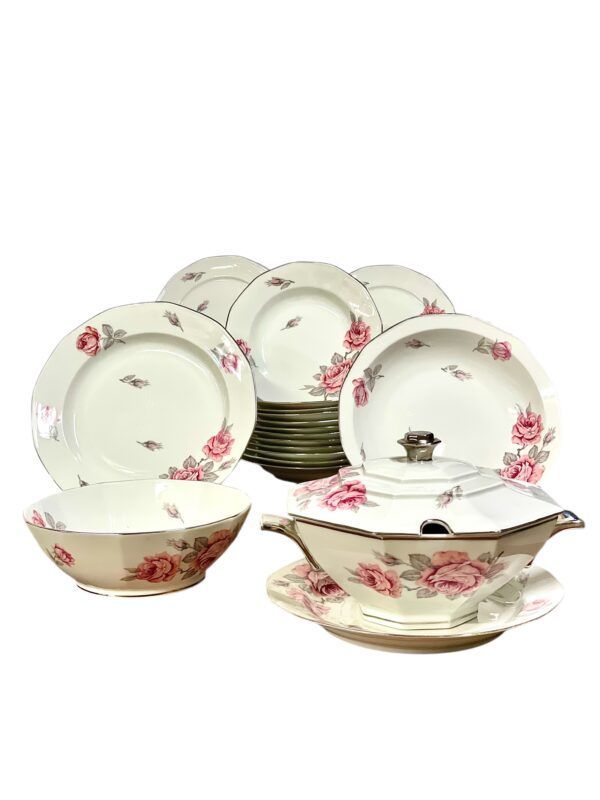
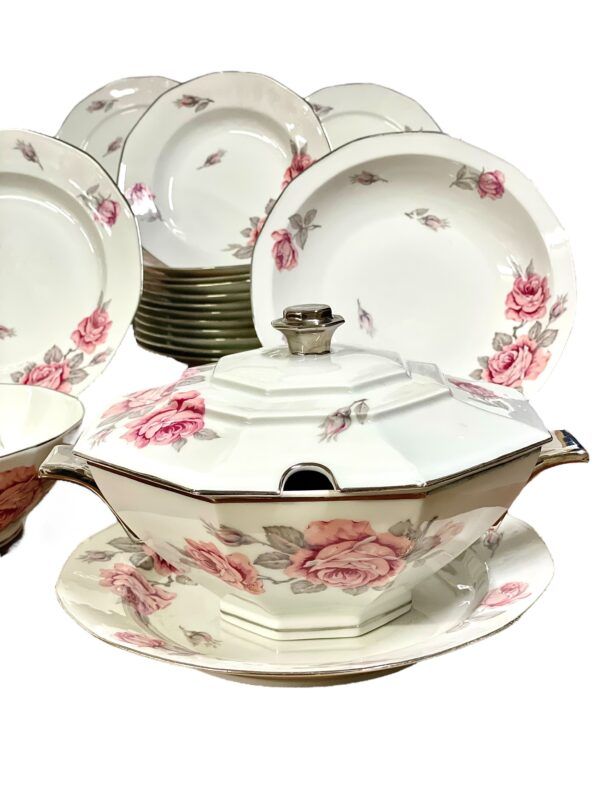
20th Century Limoges Porcelain Dinner Set for 12 with Roses Motif
SKU 00154
3 800.00€
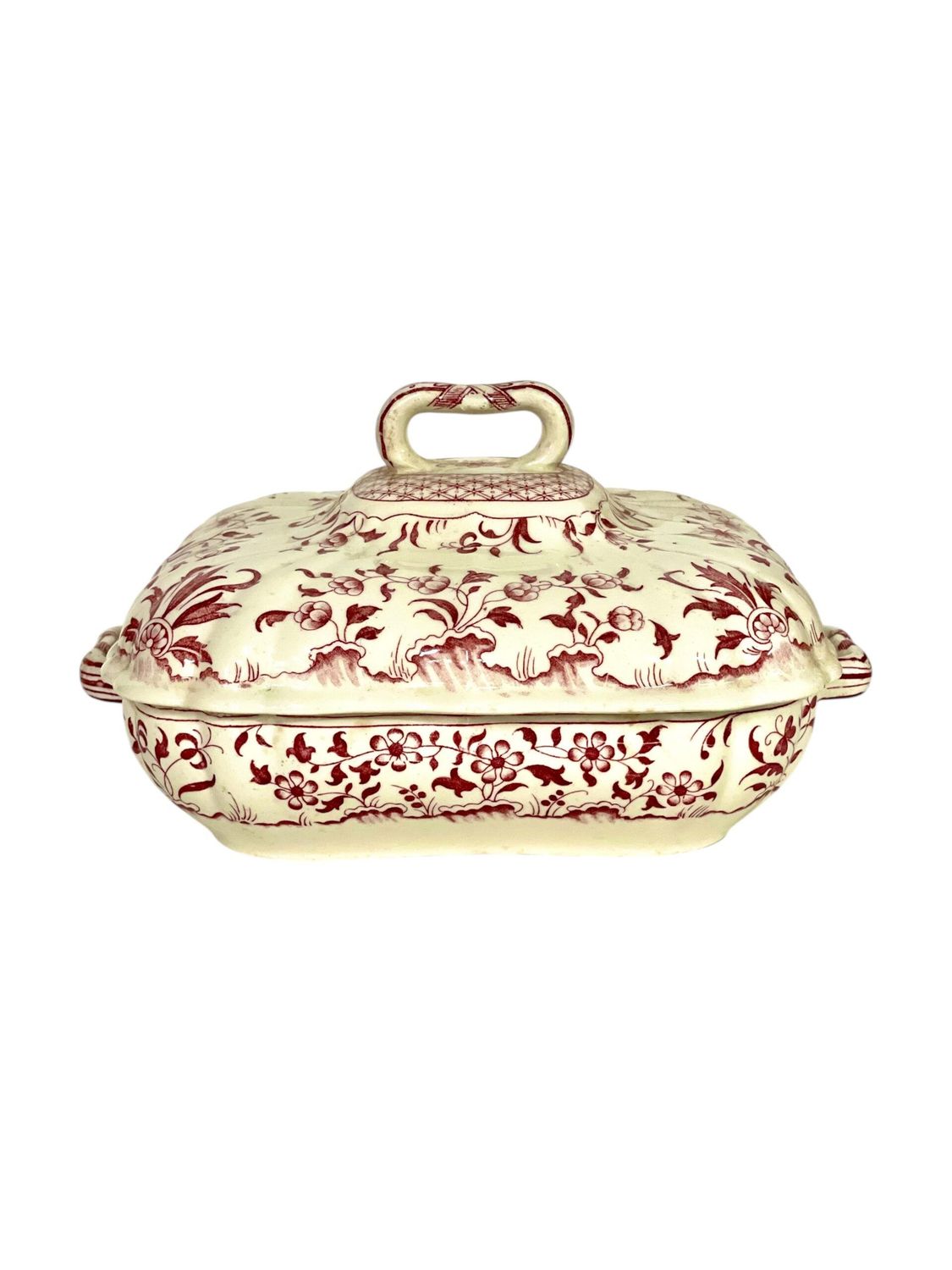
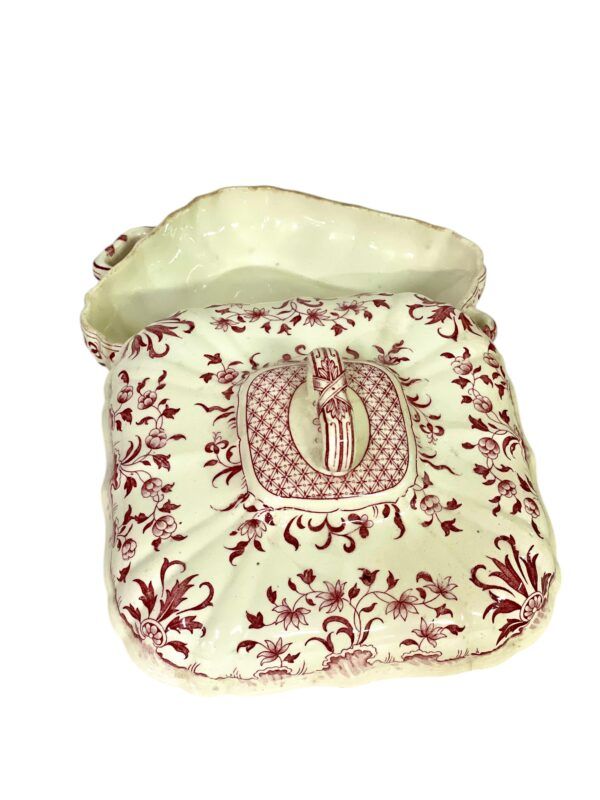
Antique Minton’s Lidded Vegetable Dish in Montrose Pattern, 19th Century
SKU 00158
1 200.00€

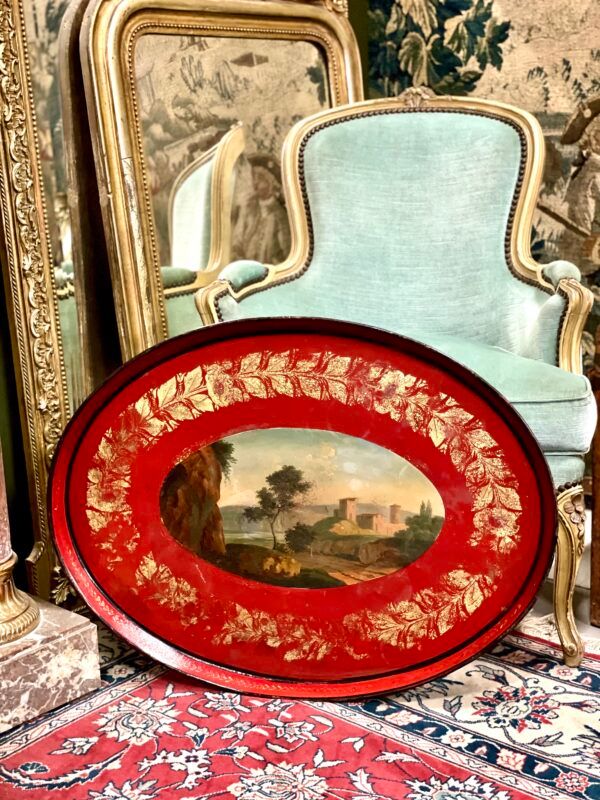
19th Century Large Hand-Painted and Gilded Tole Tray
SKU 00167
2 250.00€
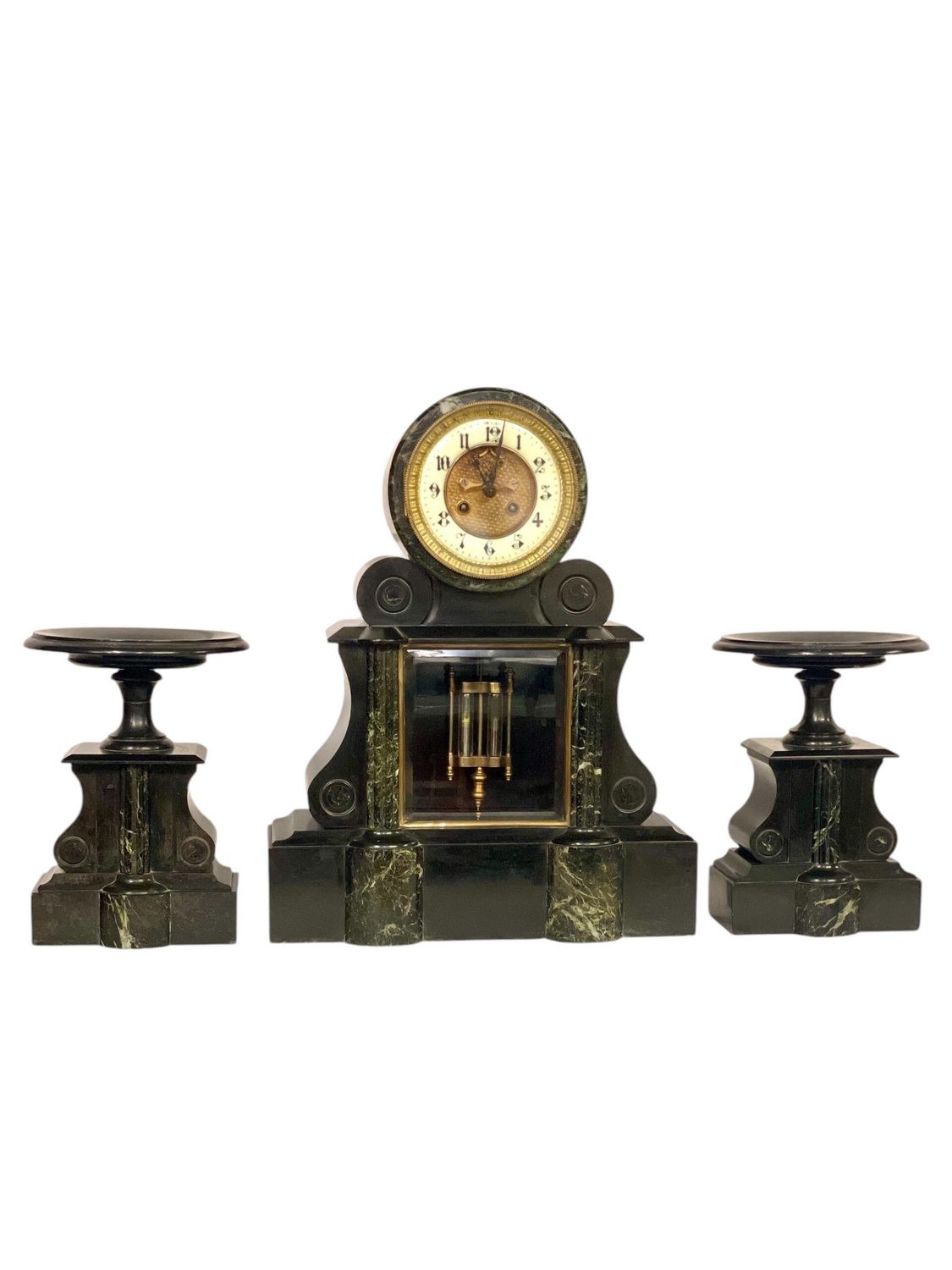
Large French 19th Century Black and Green Marble Clock Garniture
SKU 00170
Out of Stock
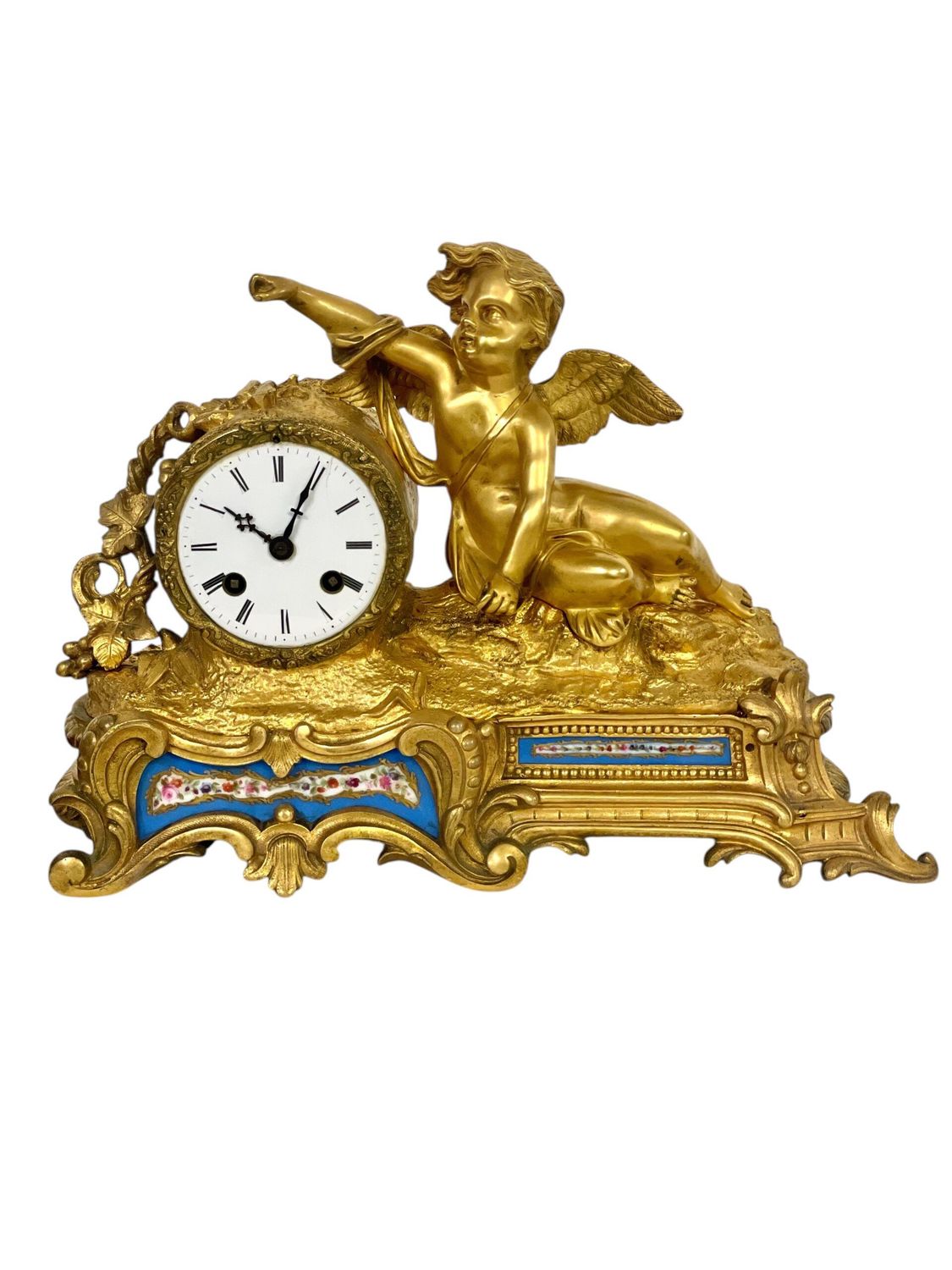
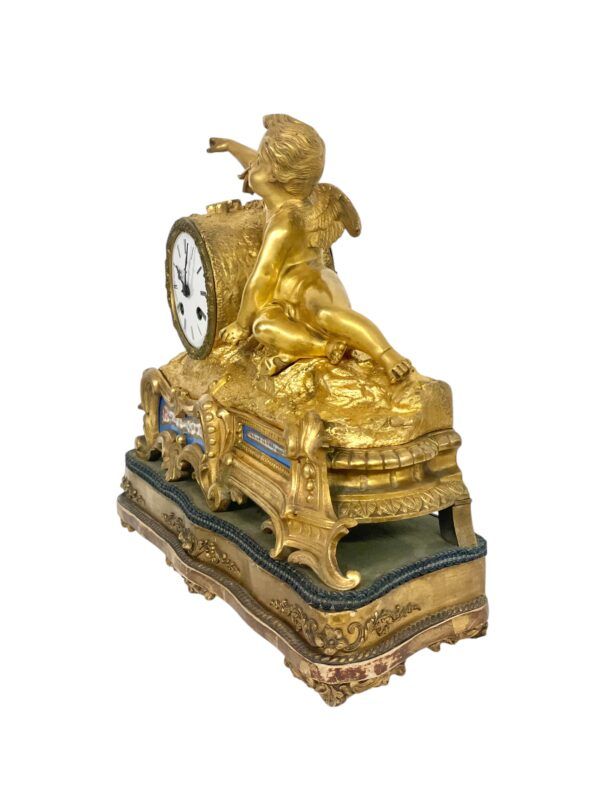
19th century Gilt Bronze and Porcelain Clock by "Miroy Frères"
SKU 00176
3 850.00€
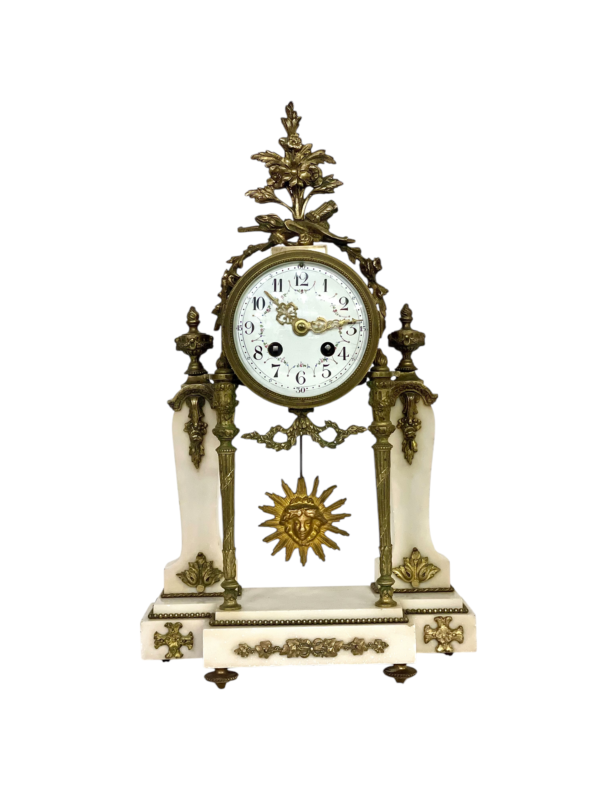
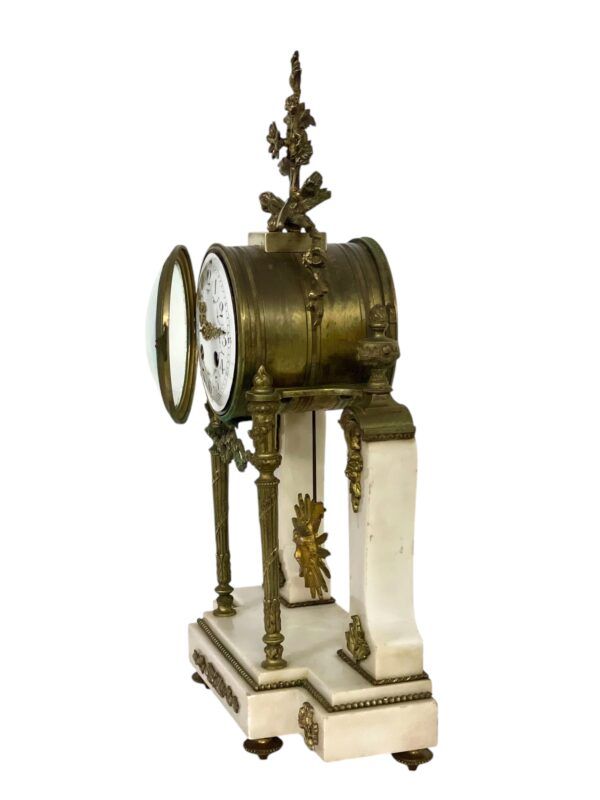
19th Century French Marble and Gilt Bronze Portico Clock
SKU 00180
Out of Stock
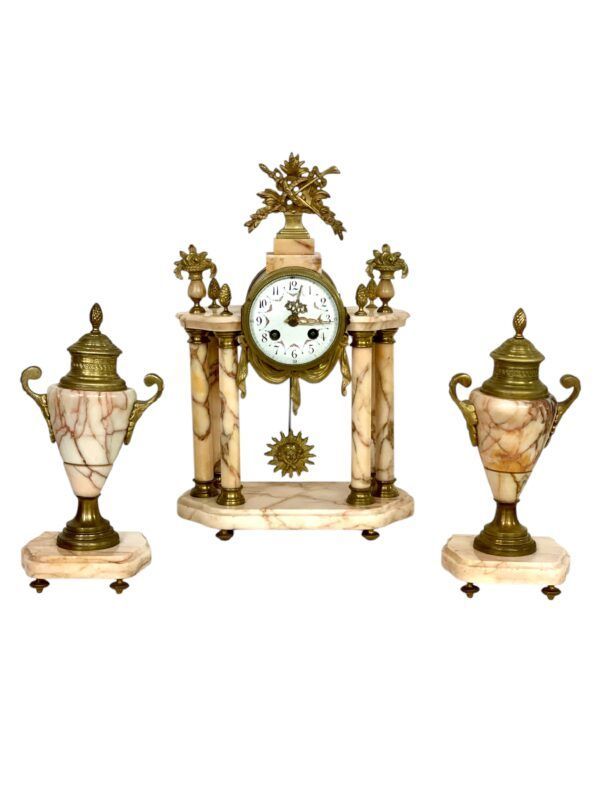
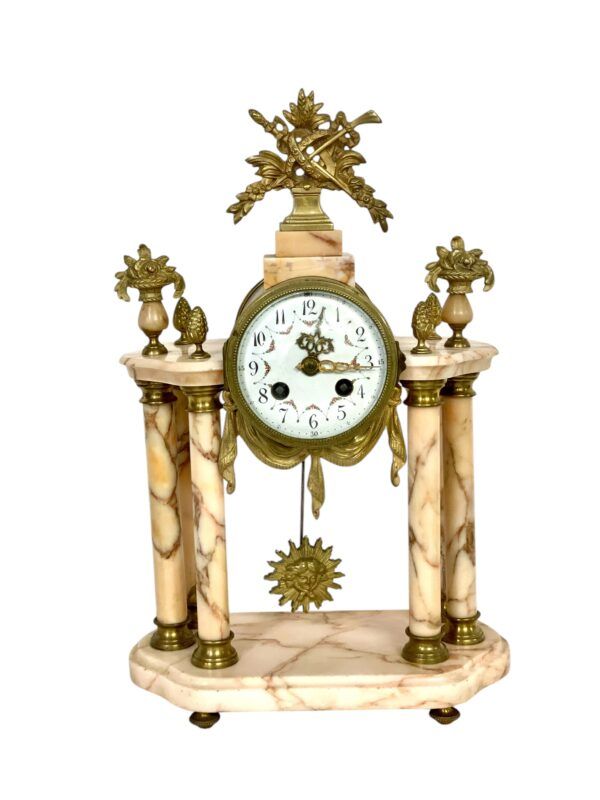
19th Century Large Marble and Ormolu Clock Garniture
SKU 00183
4 900.00€
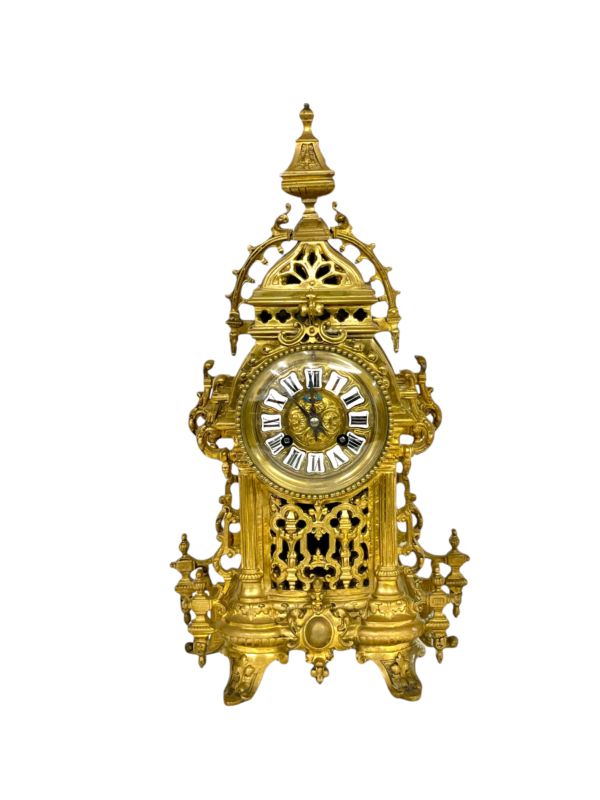
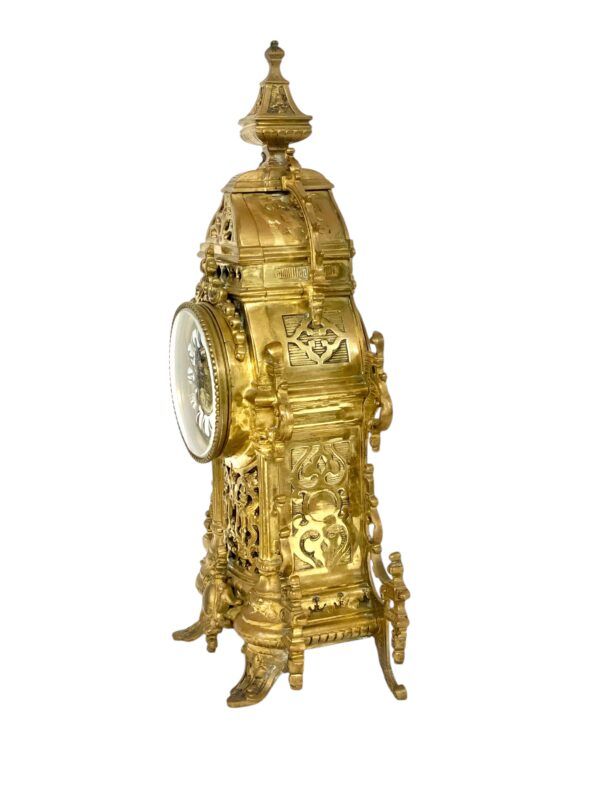
19th Century Gilt Bronze Cathedral Mantel Clock
SKU 00182
2 150.00€
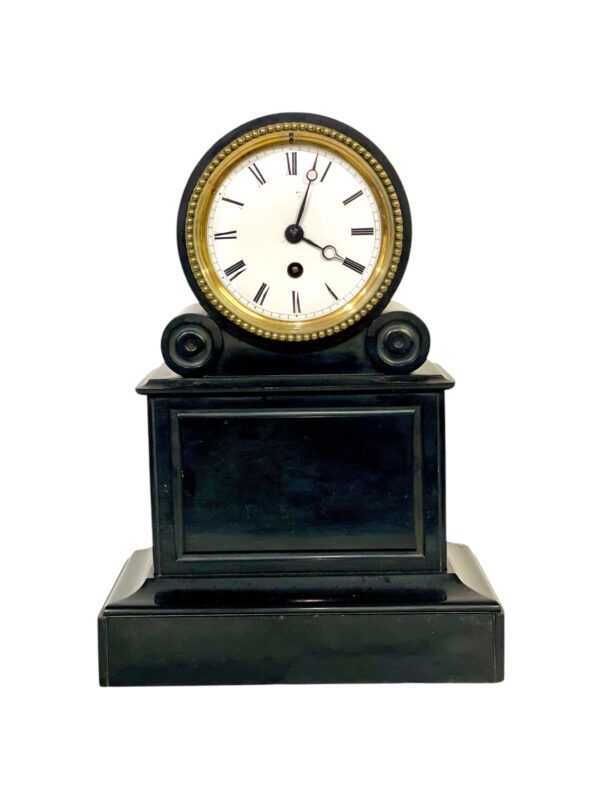

19th Century Black Marble Mantel Clock
SKU 00179
1 950.00€
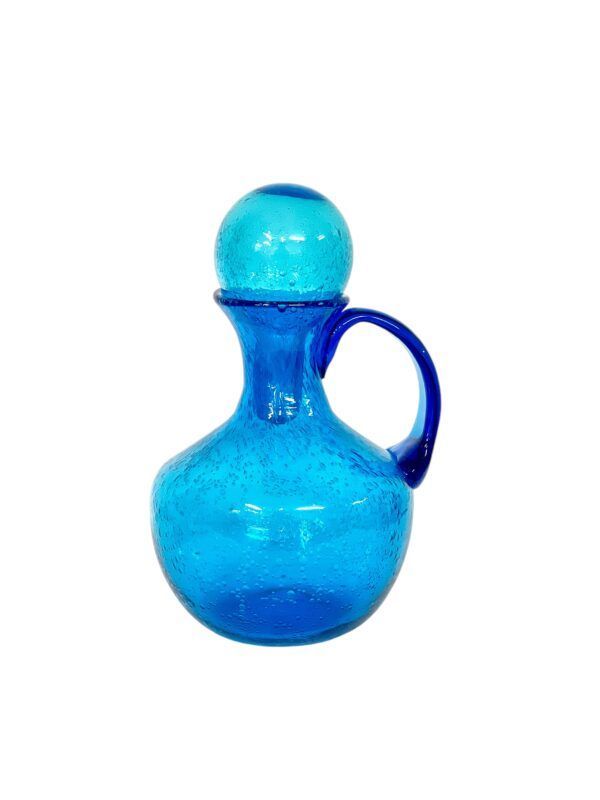

20th Century Biot Style Large Blue Bubble Glass Carafe with Stopper
SKU 00172
1 600.00€
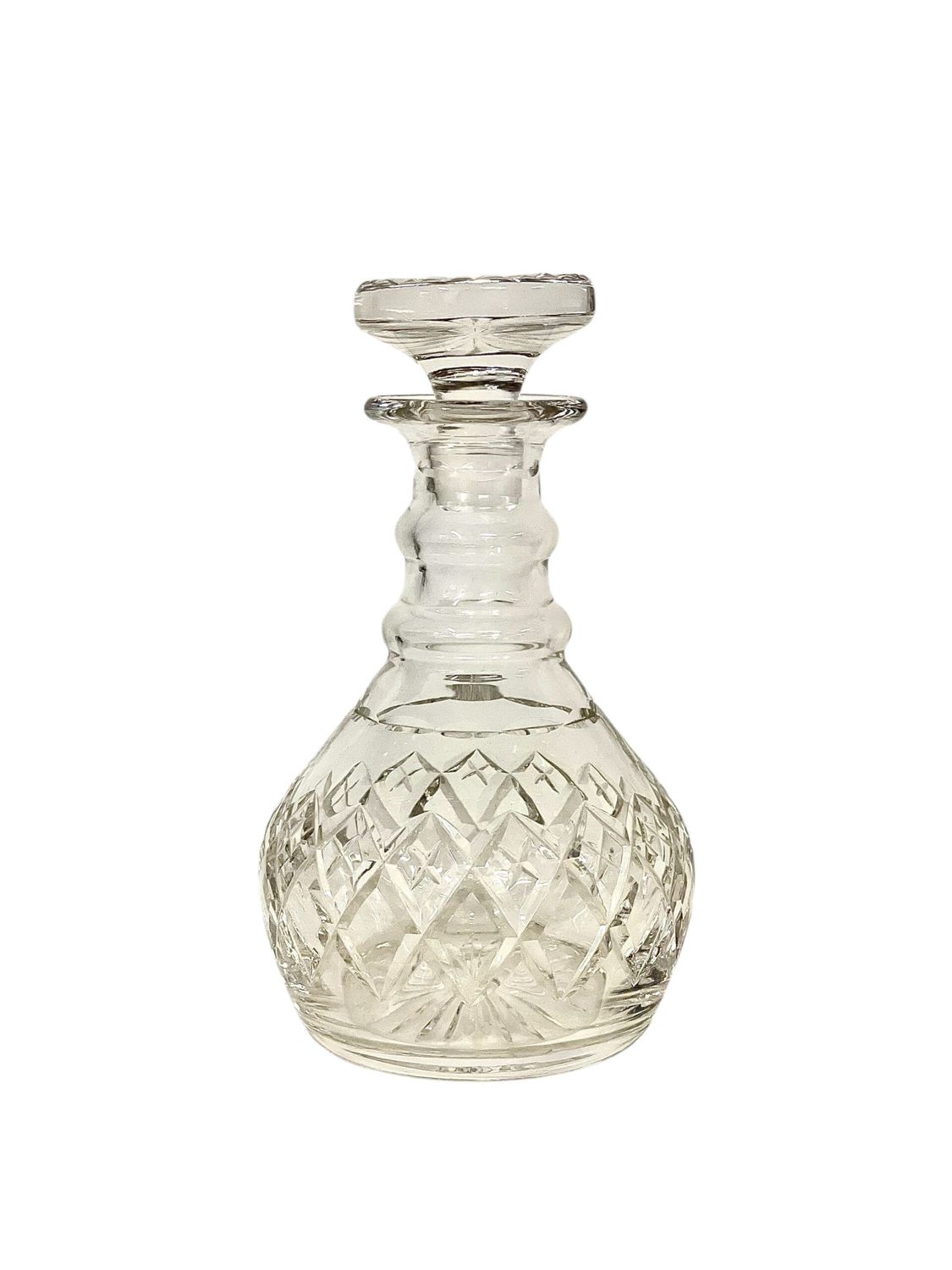
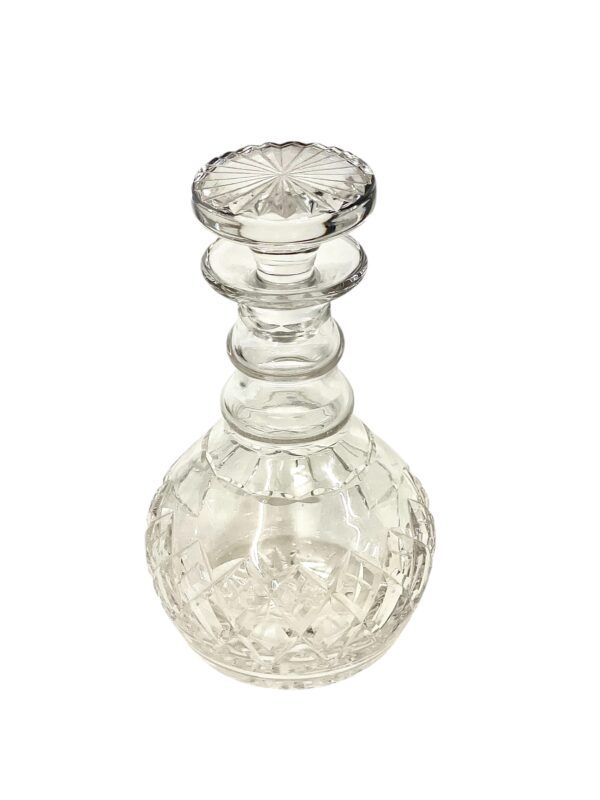
20th Century Saint Louis Style Crystal Decanter
SKU 00177
1 300.00€
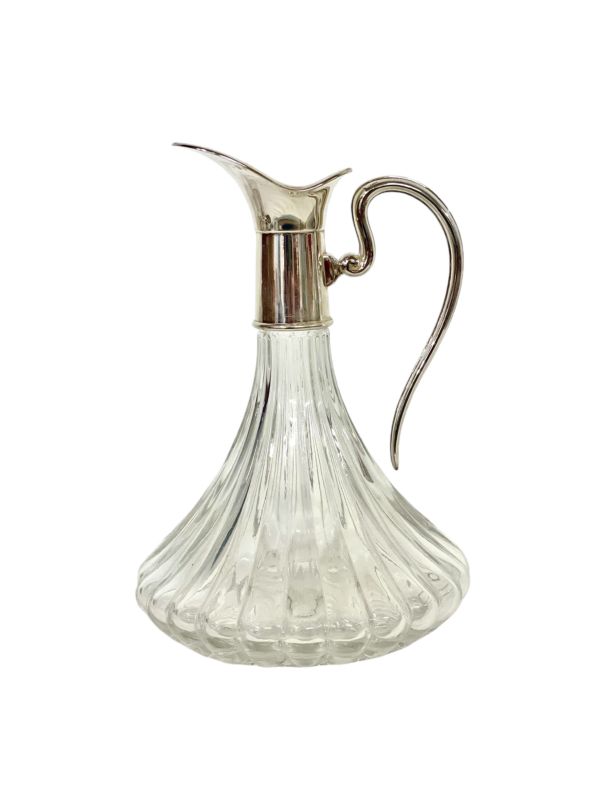
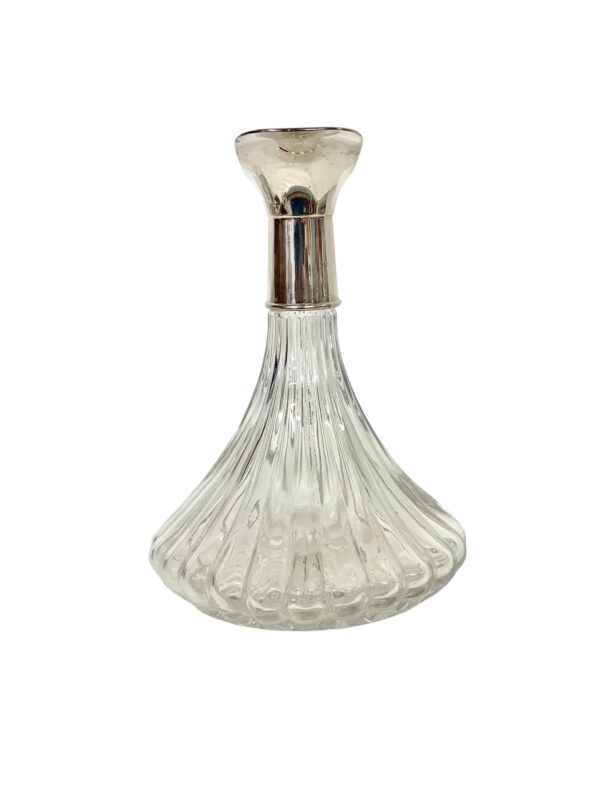
20th Century Lancel Paris Crystal Decanter
SKU 00220
540.00€
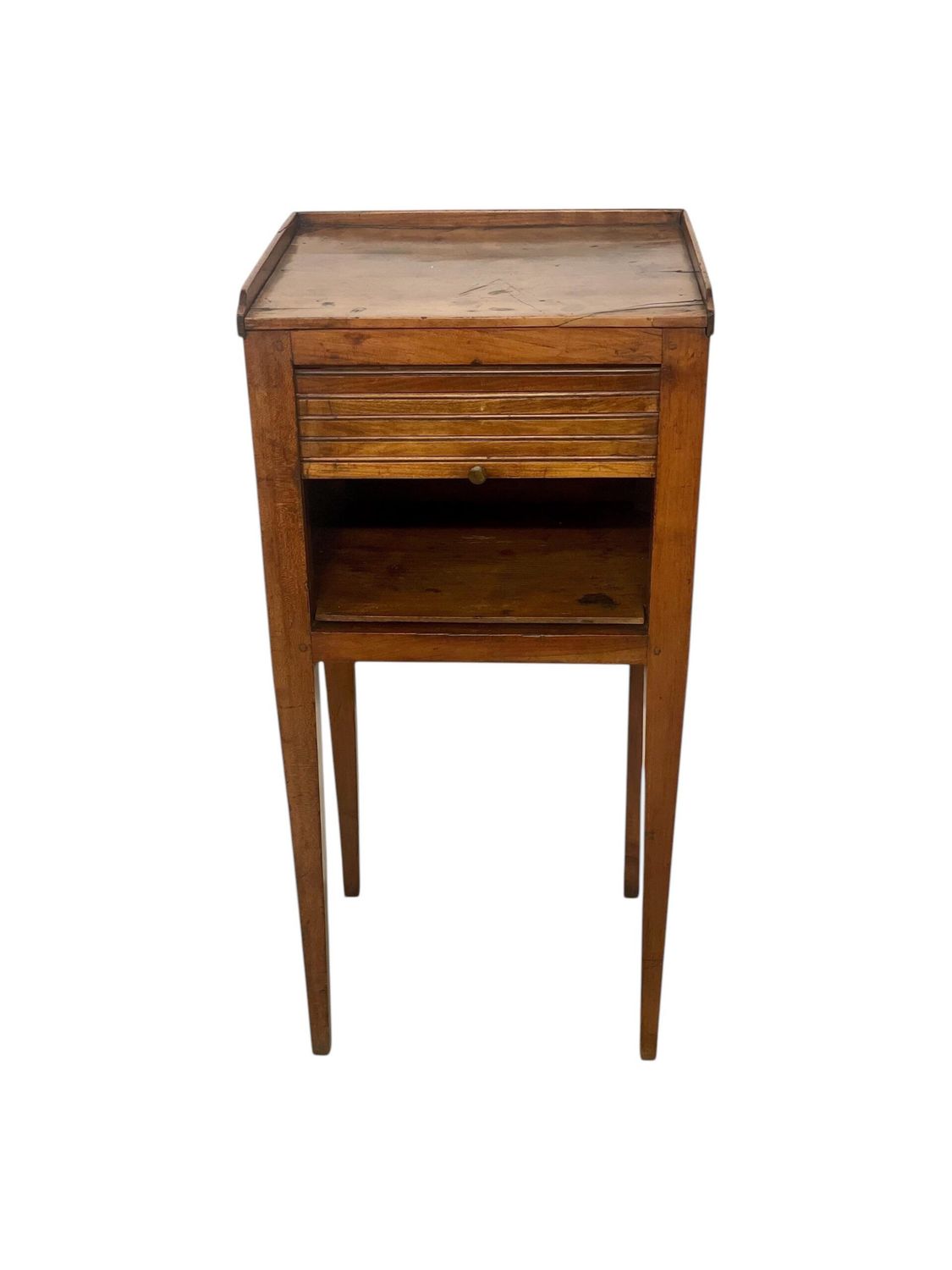

19th Century Louis XVI Walnut Side Table
SKU 00246
Out of Stock
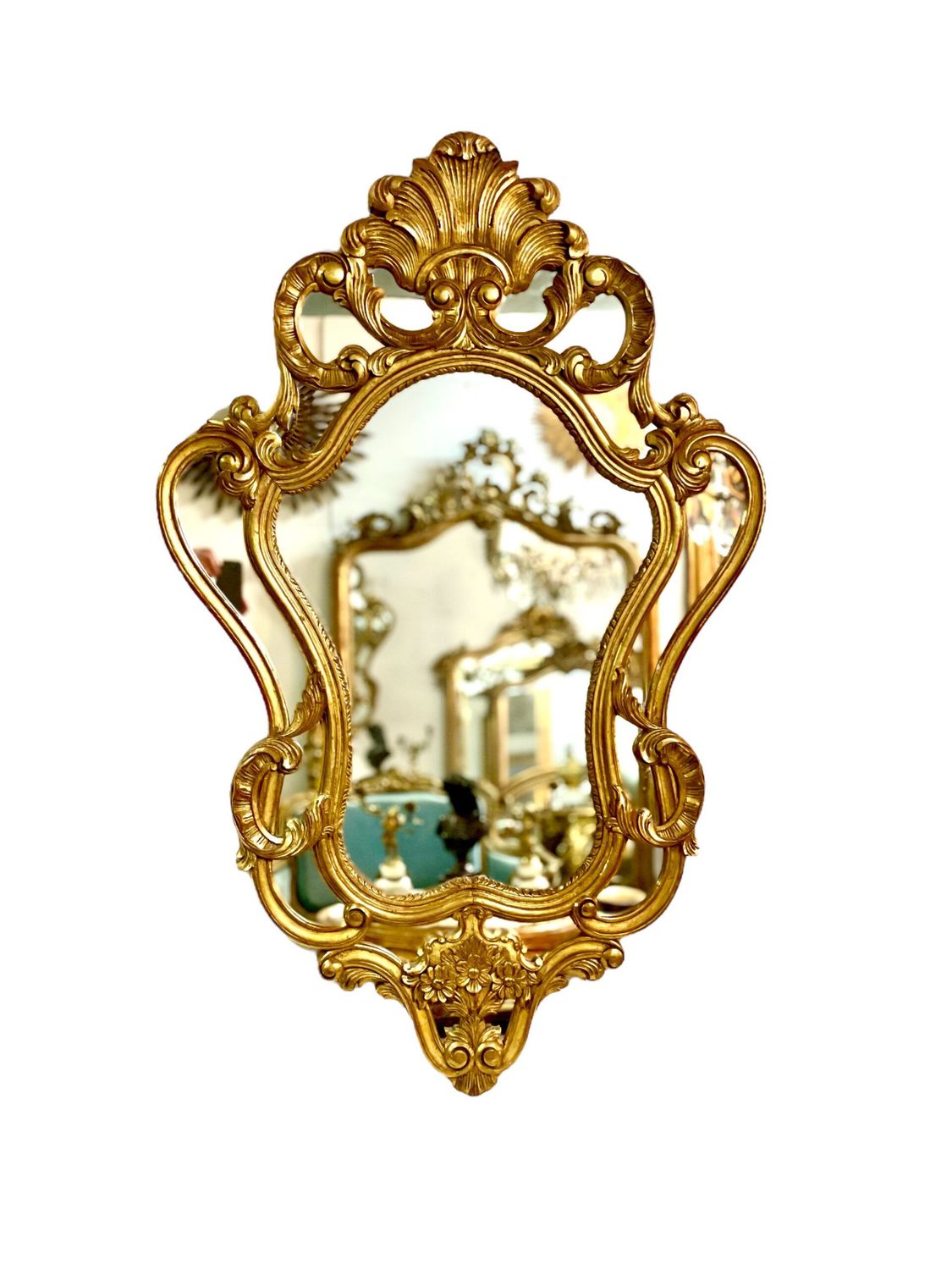
Large Gilt Wall Mirror with Parecloses
SKU 00249
1 950.00€
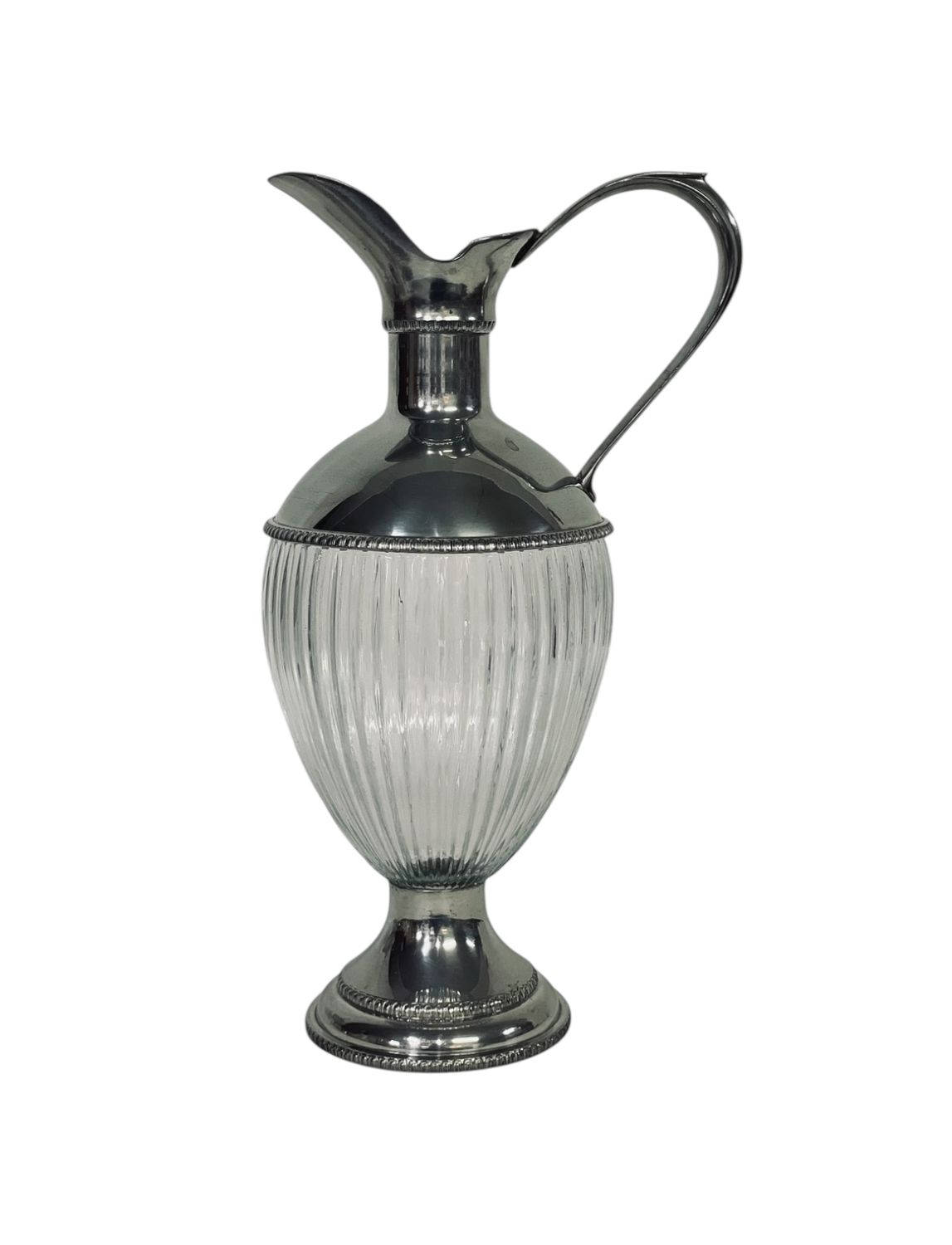
1960’s Silver Plated and Crystal Ewer or Pitcher
SKU 00245
1 250.00€
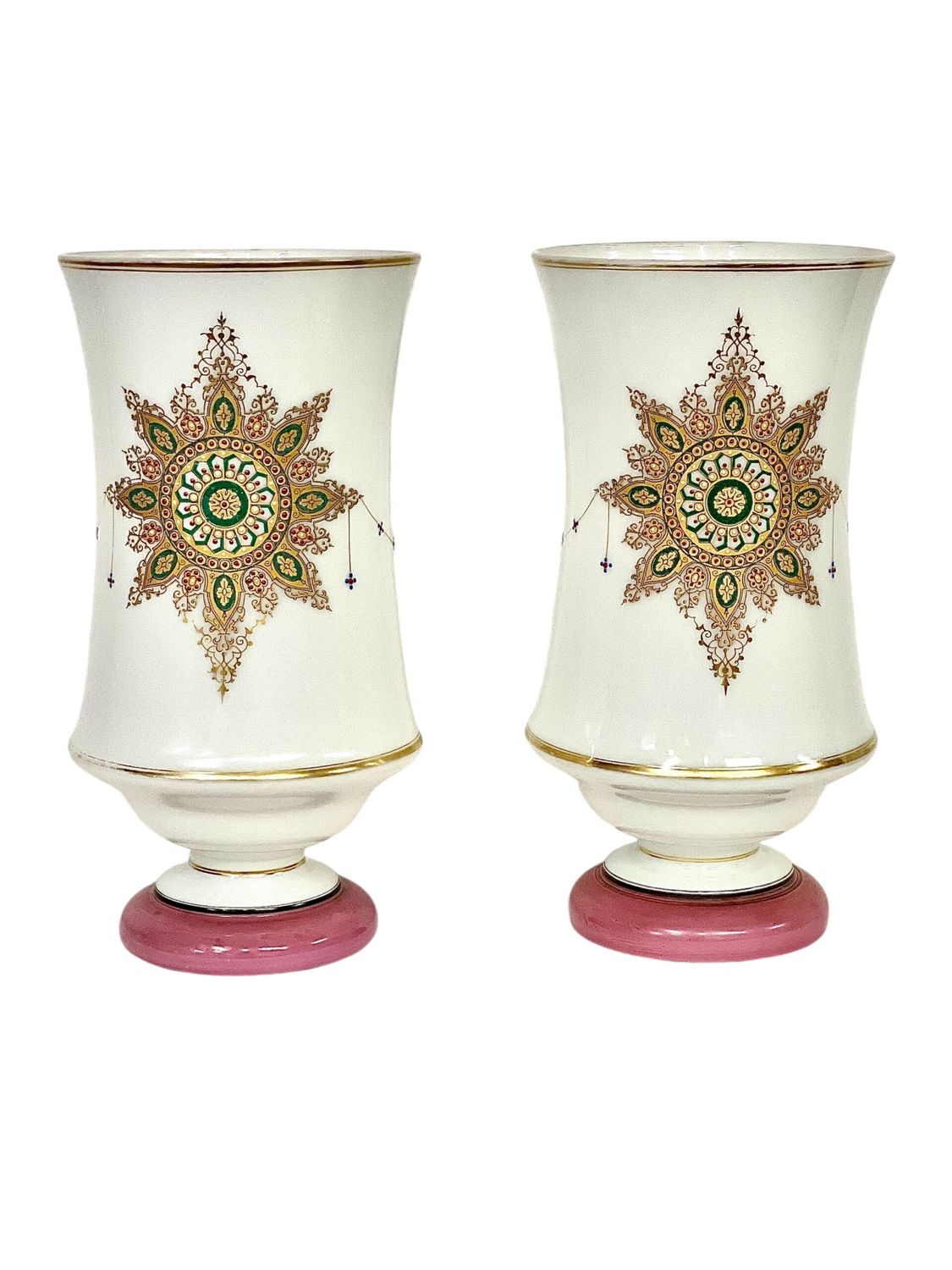
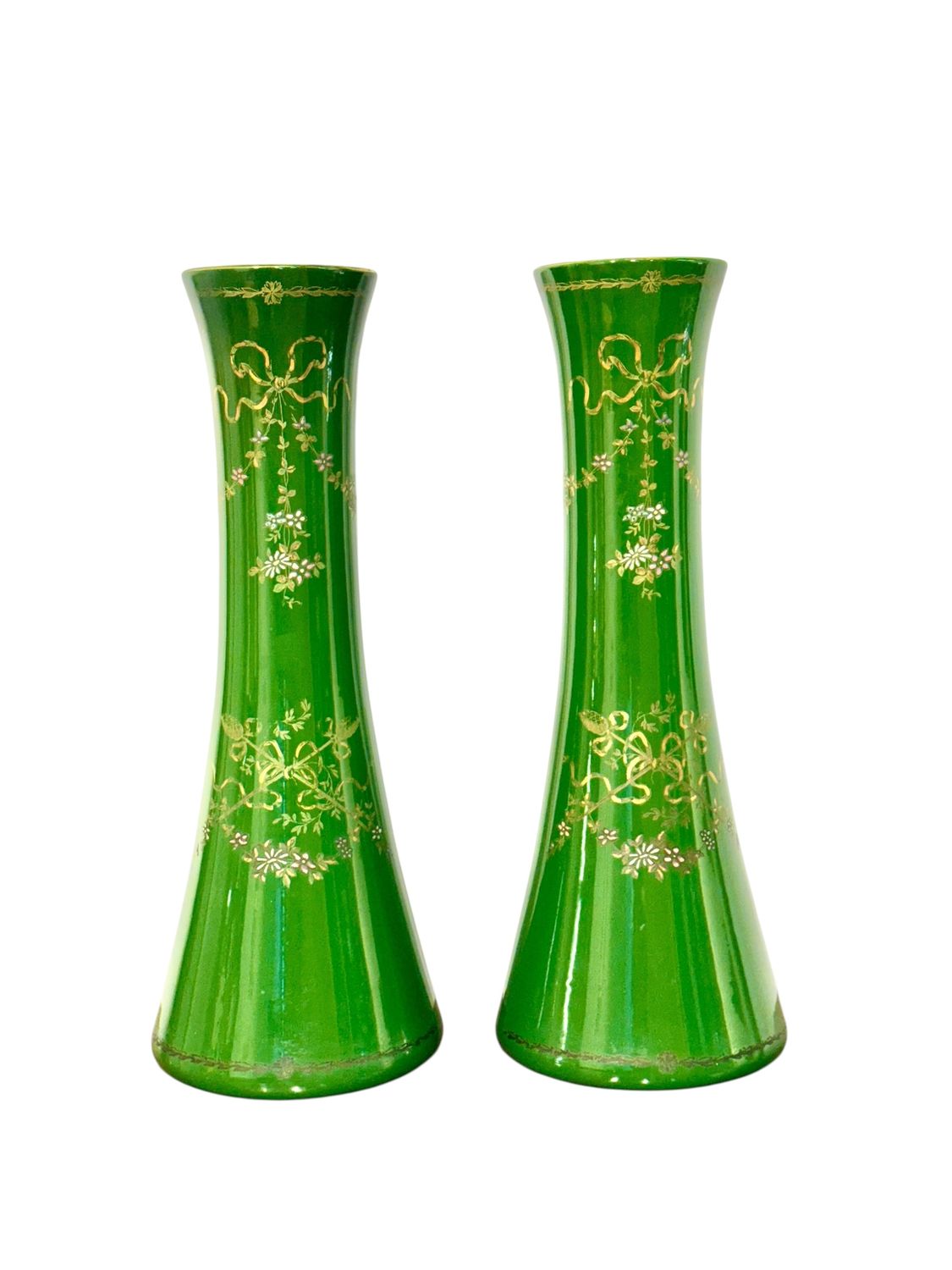
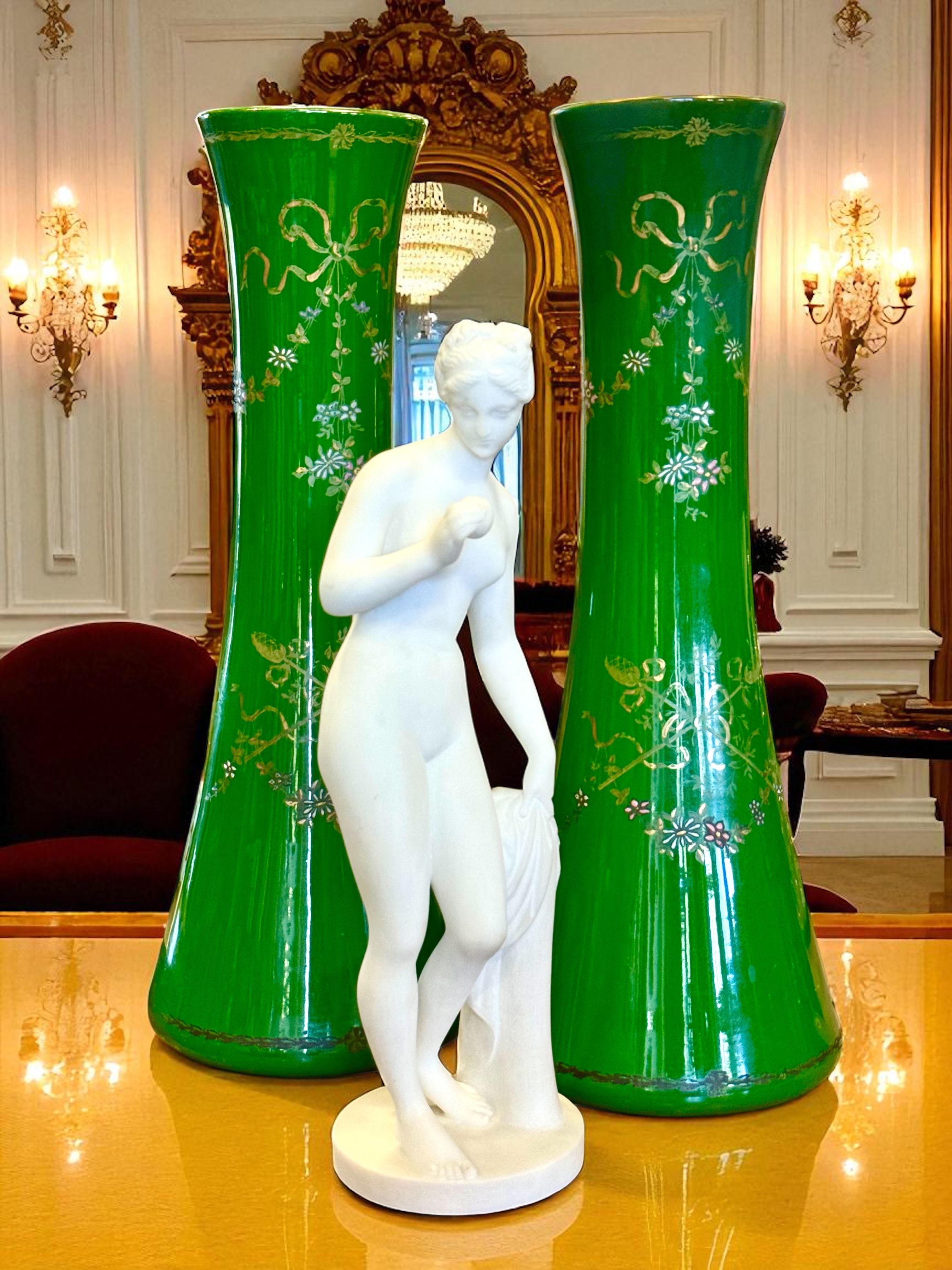
19th Century Pair of Tall Opaline Vases
SKU 00256
2 800.00€
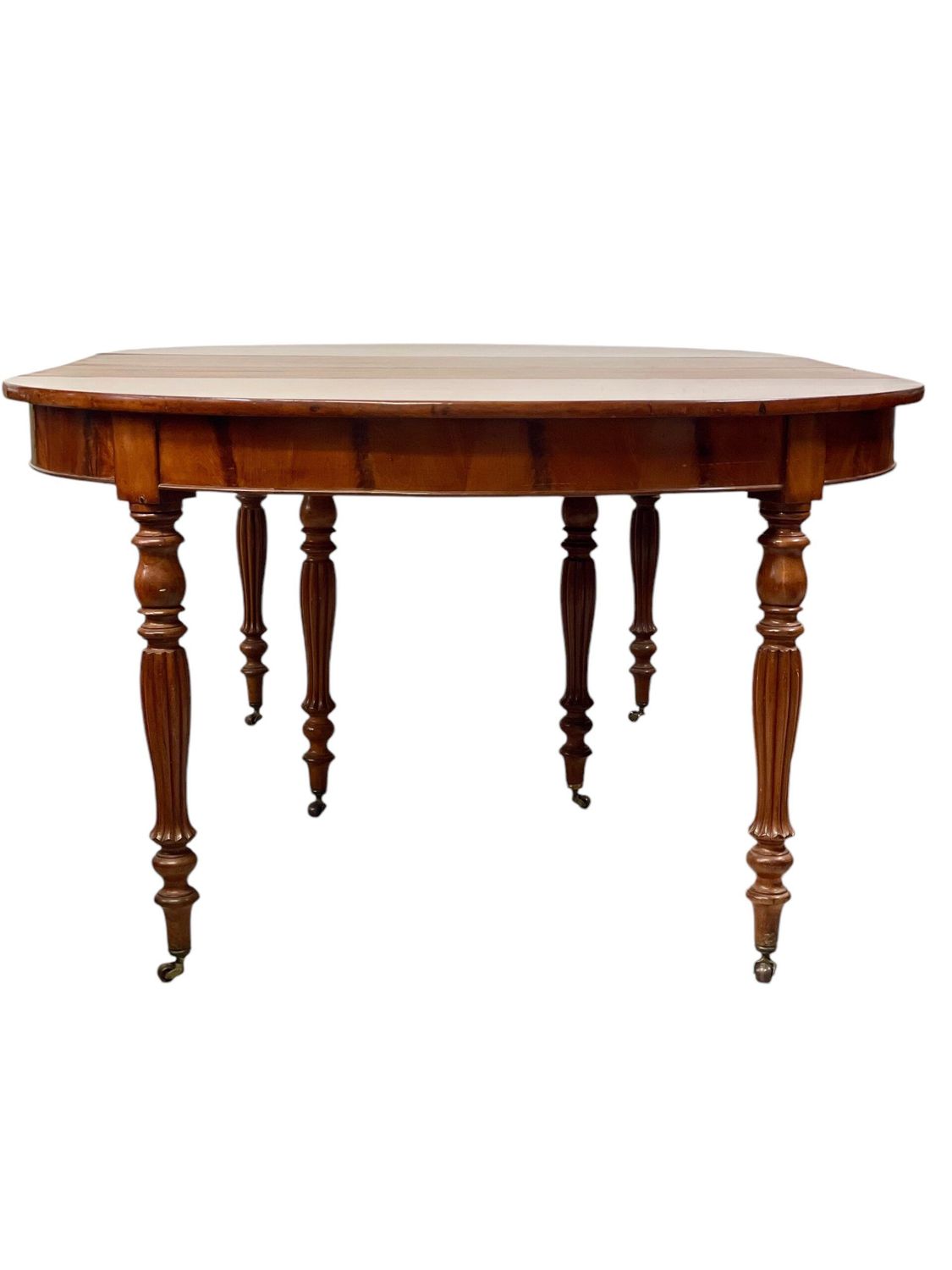
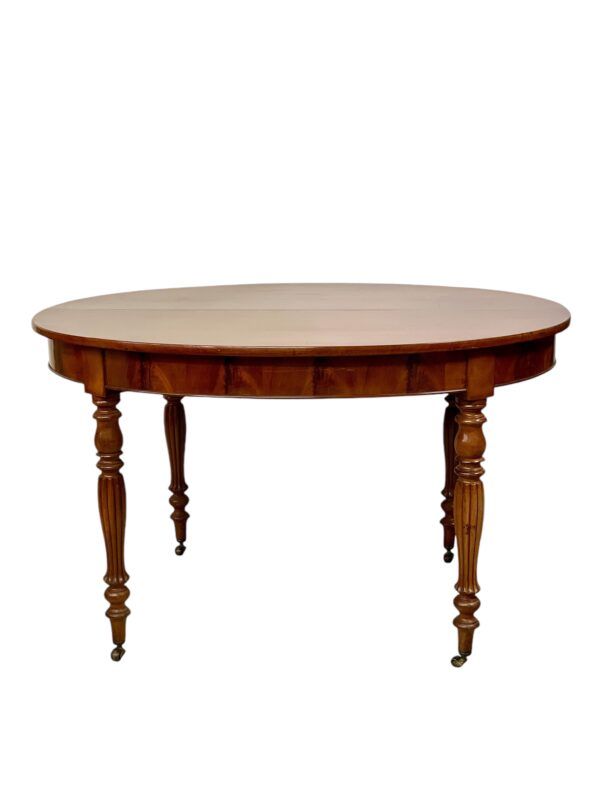
19th Century Extendable Dining Table
SKU 00257
6 500.00€
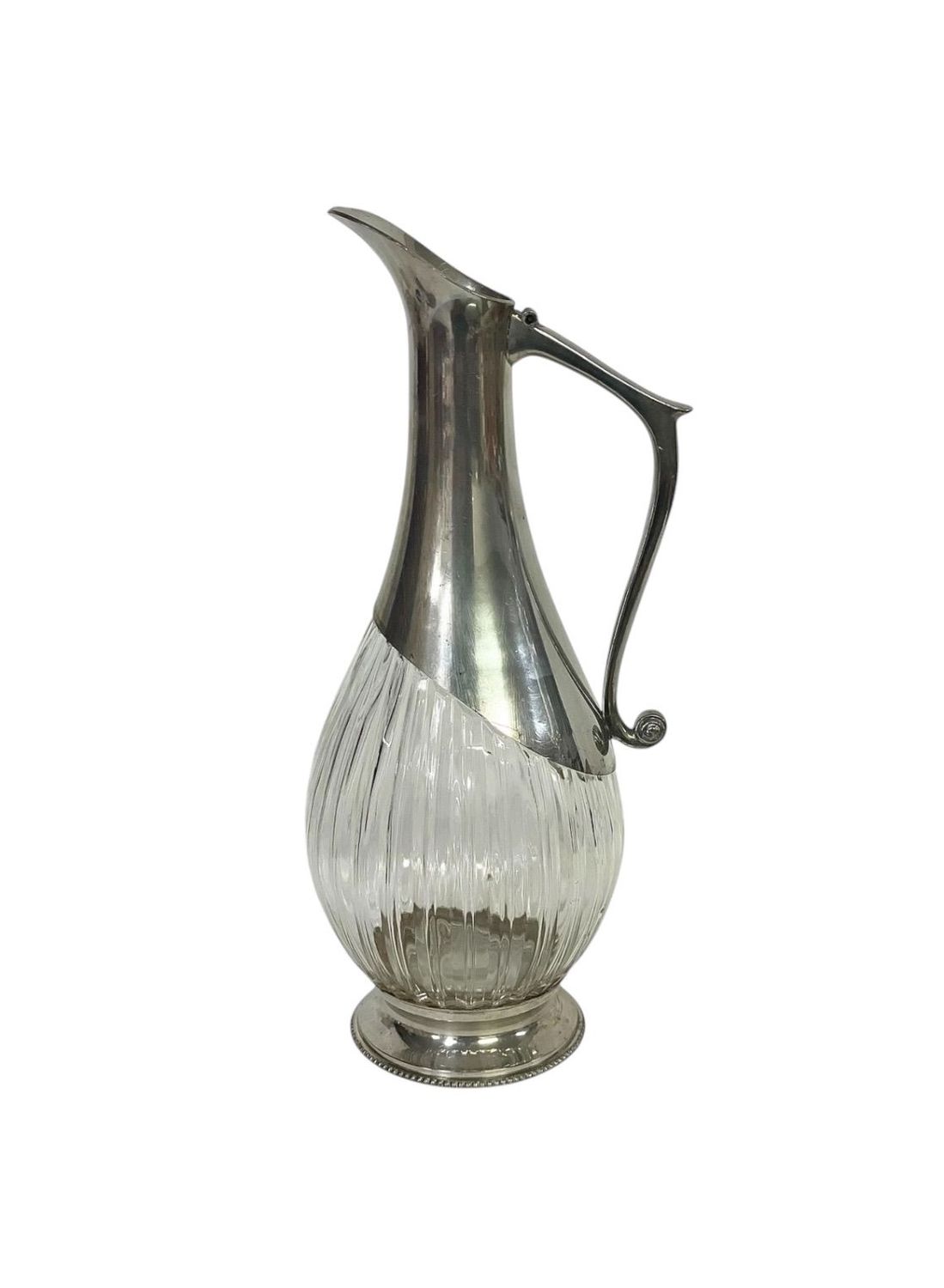
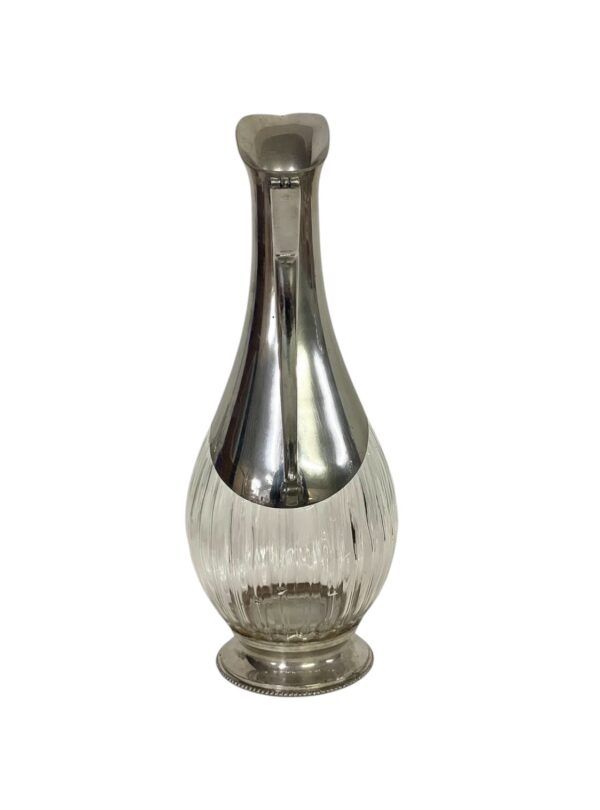
1960’s Silver Plated and Crystal Rubbed Claret Jug
SKU 00240
1 150.00€
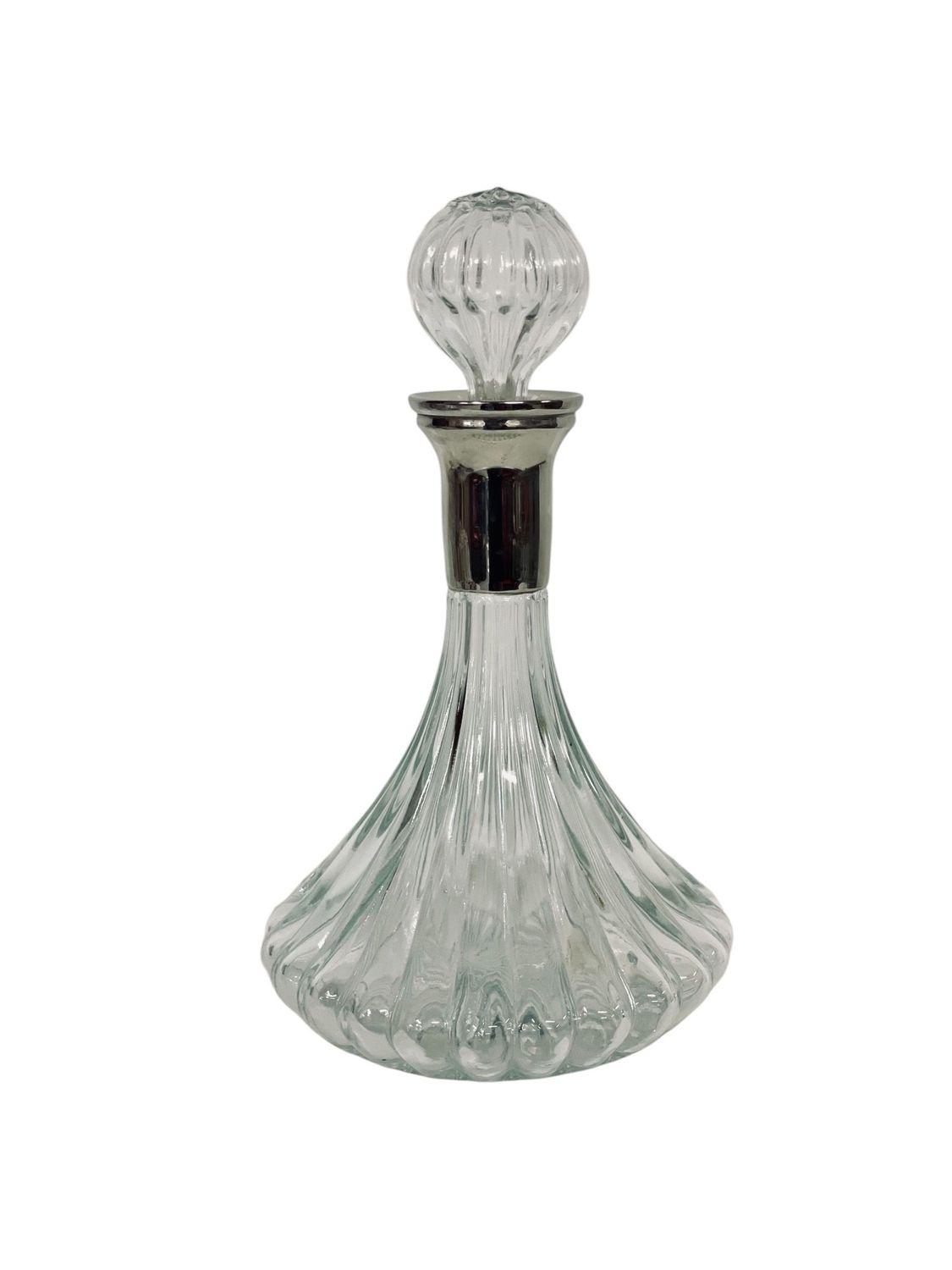
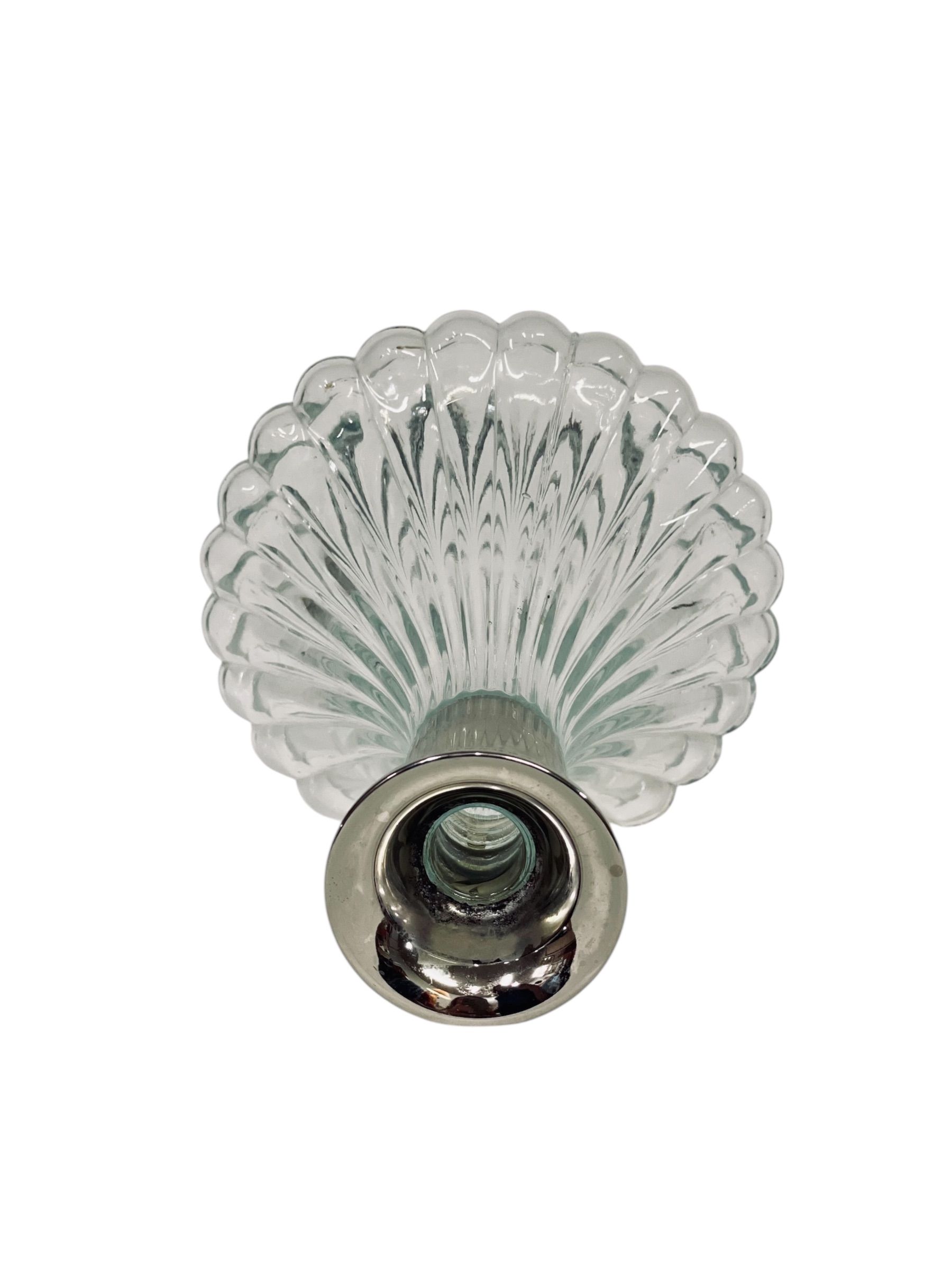
20th Century Large Lidded Crystal and Silver Plated Decanter
SKU 00239
540.00€
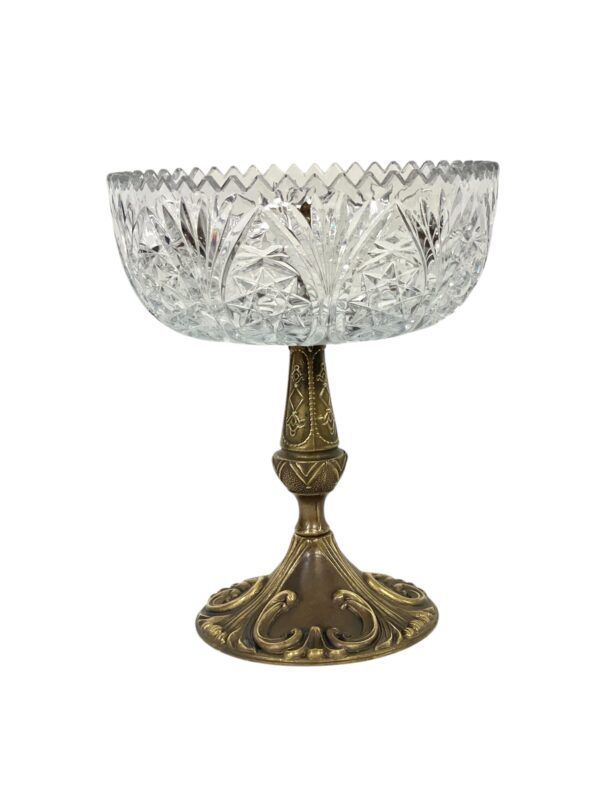
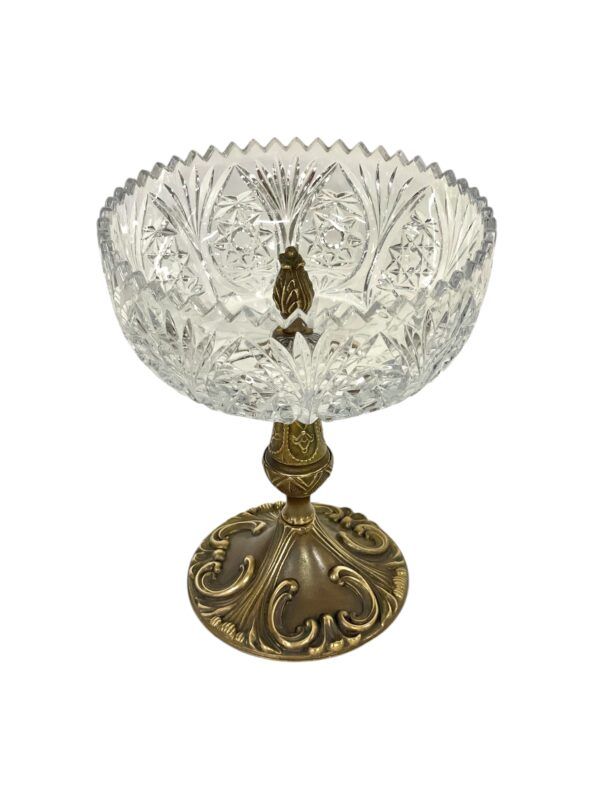
20th Century Crystal Bowl on a Gilt Brass Pedestal
SKU 00200
1 500.00€
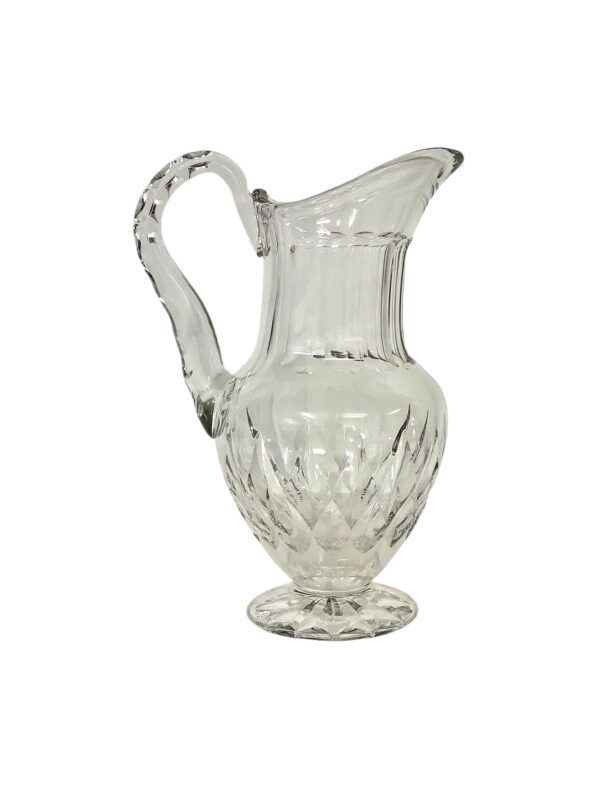
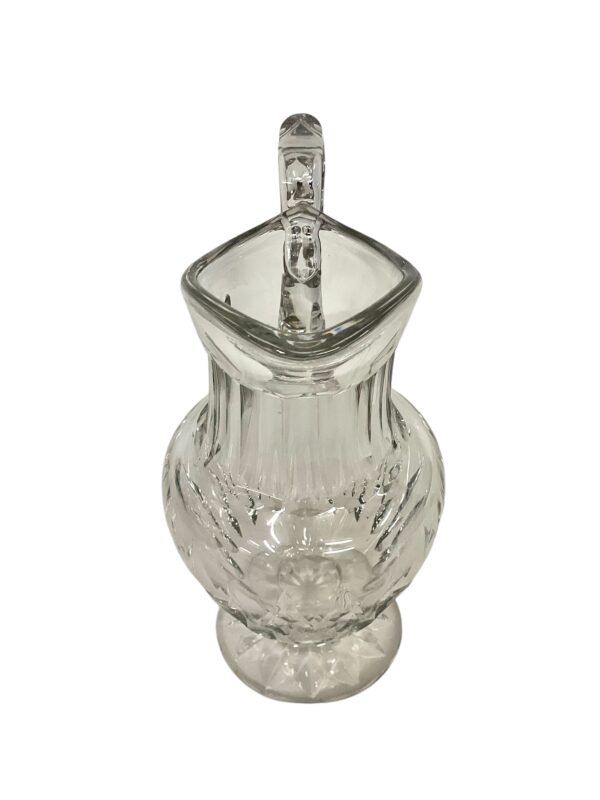
20th Century Saint Louis Crystal Carafe
SKU 00199
1 550.00€
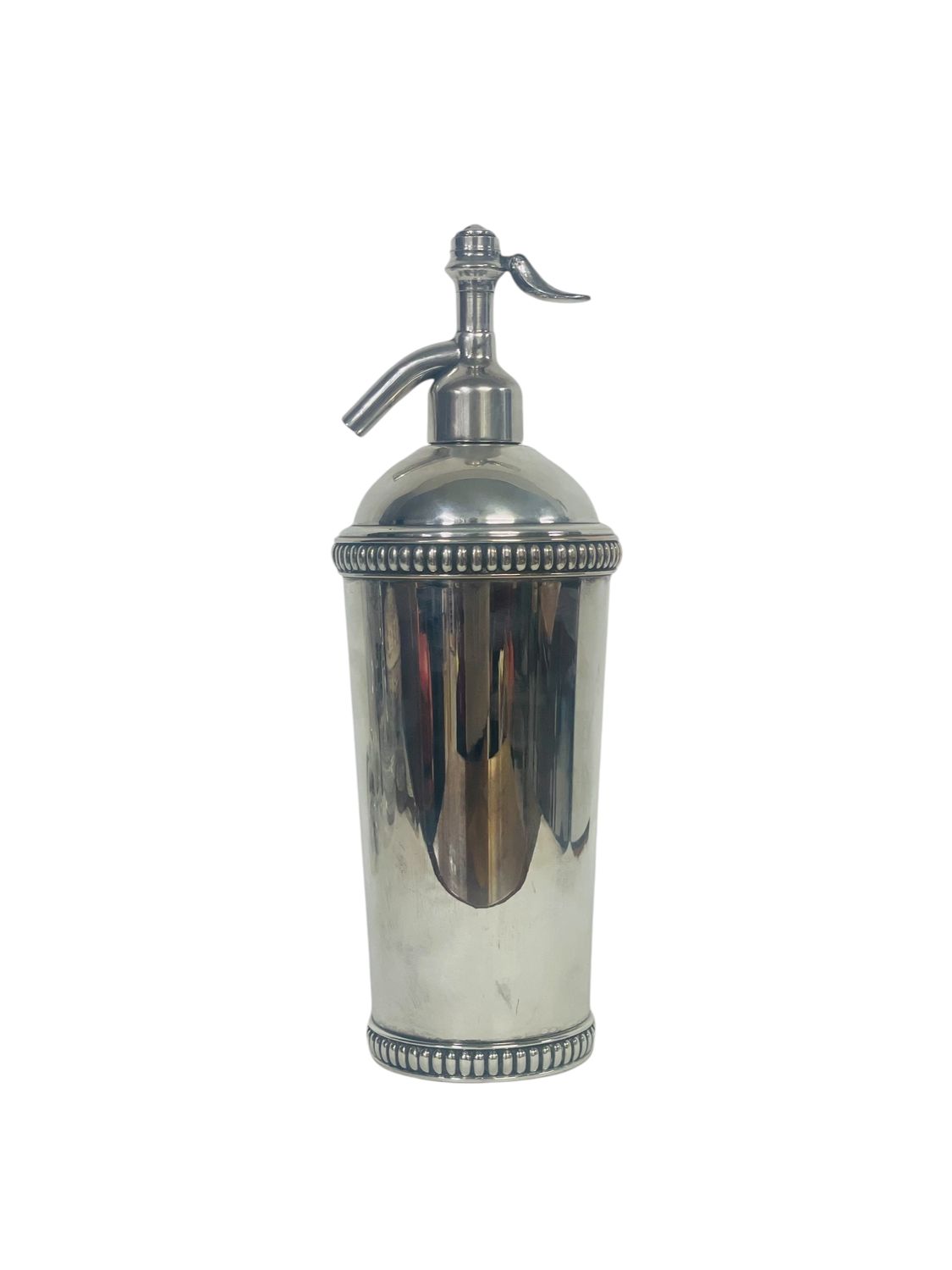
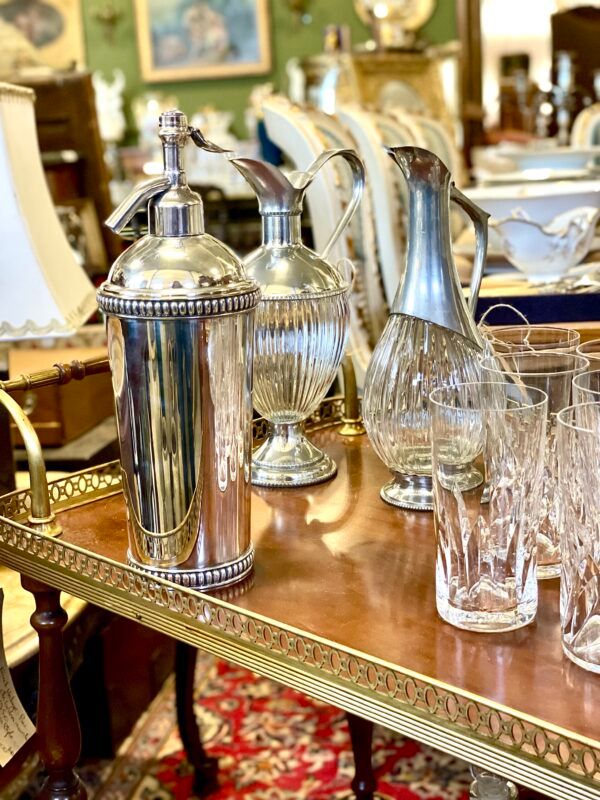
Outstanding Silver Plated Seltzer Syphon 19th Century
SKU 00202
1 450.00€
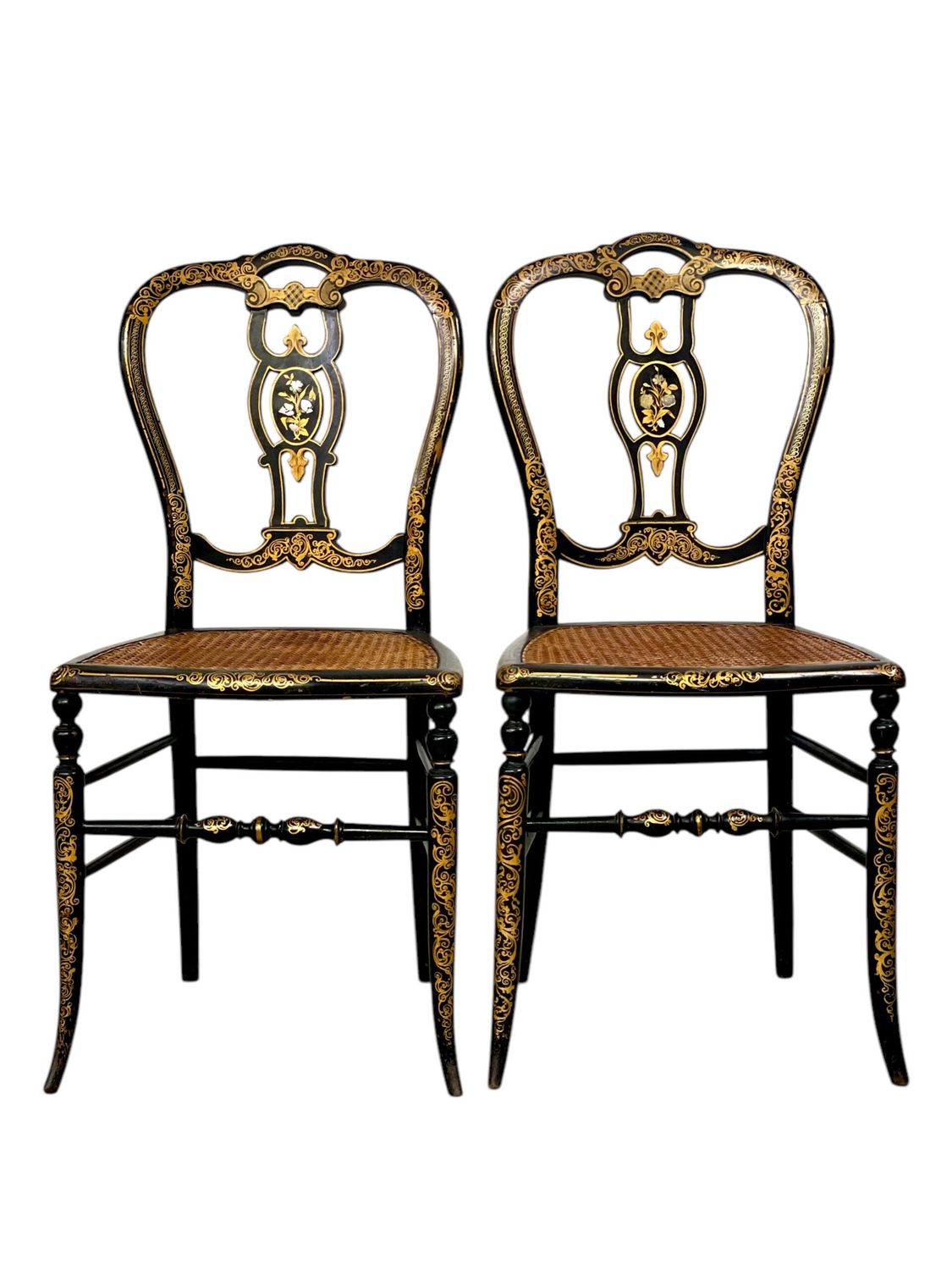

Pair of Opera Chairs in Ebonized Wood and Cane Seats, Napoleon III Period
SKU 00171
Out of Stock
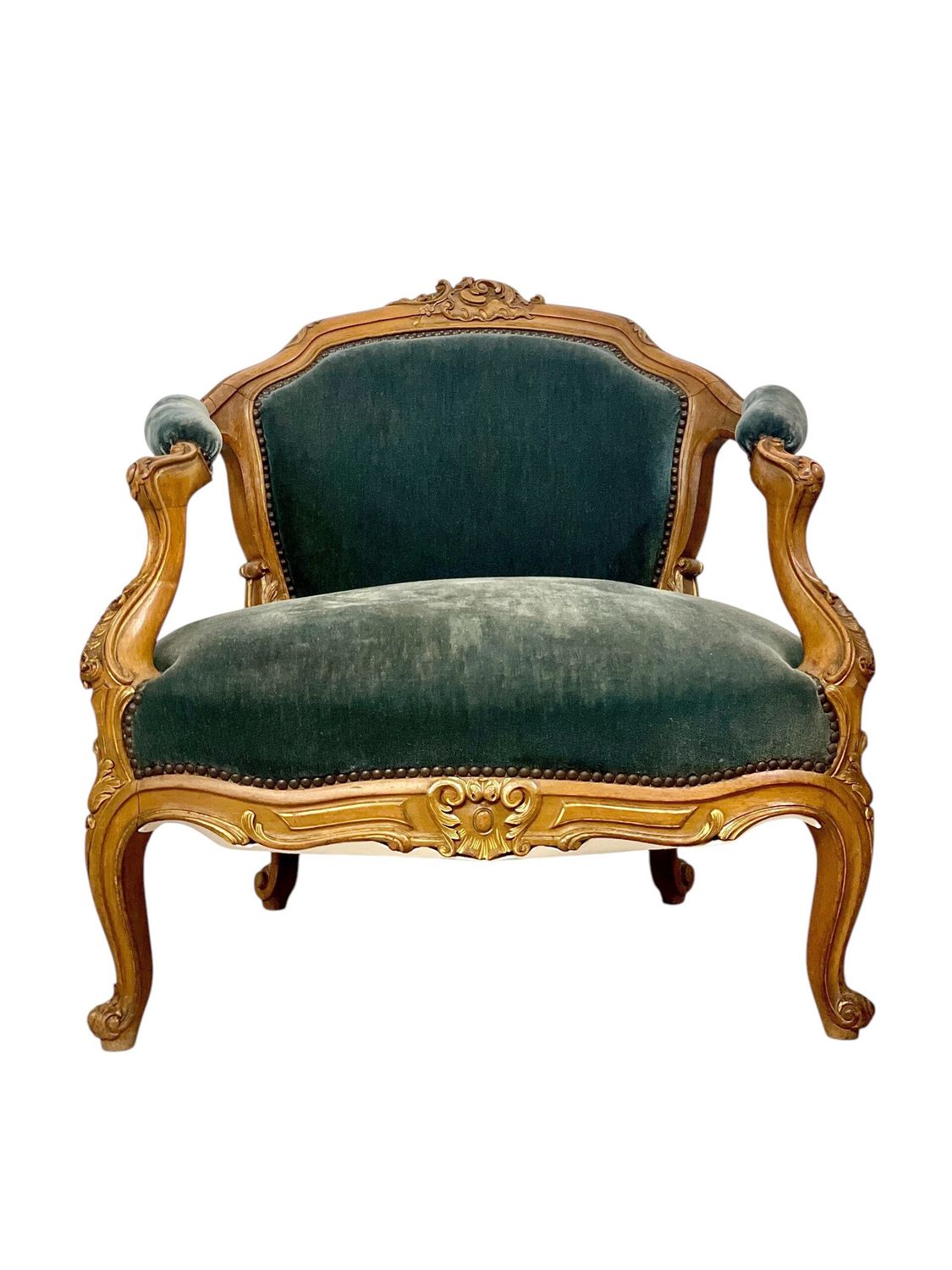
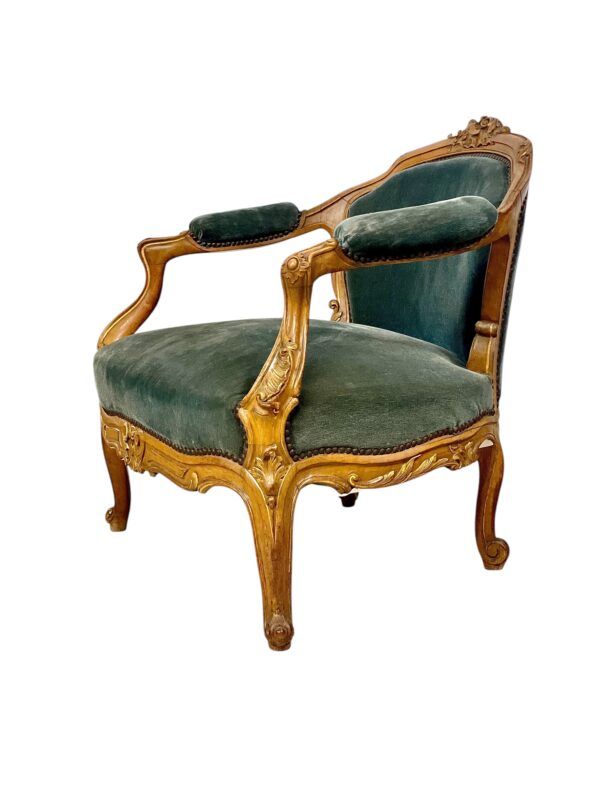
19th Century Lounge Armchair in Carved Giltwood and Velvet
SKU 00169
3 100.00€
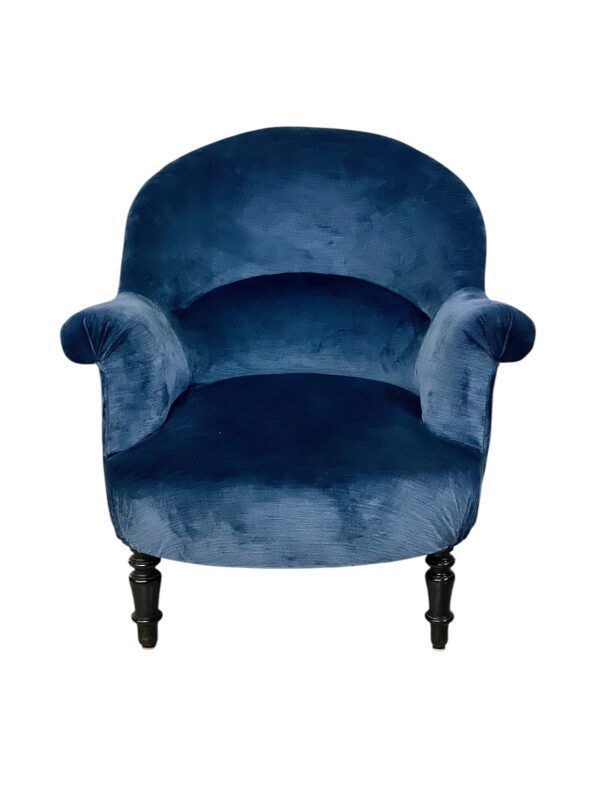
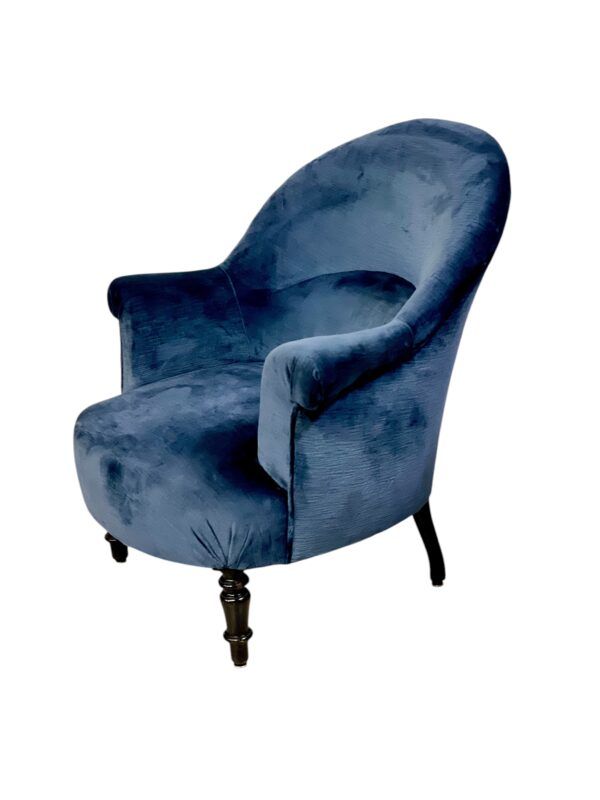
19th Century Napoleon III Armchair in Deep Blue Velvet
SKU 00187
Out of Stock
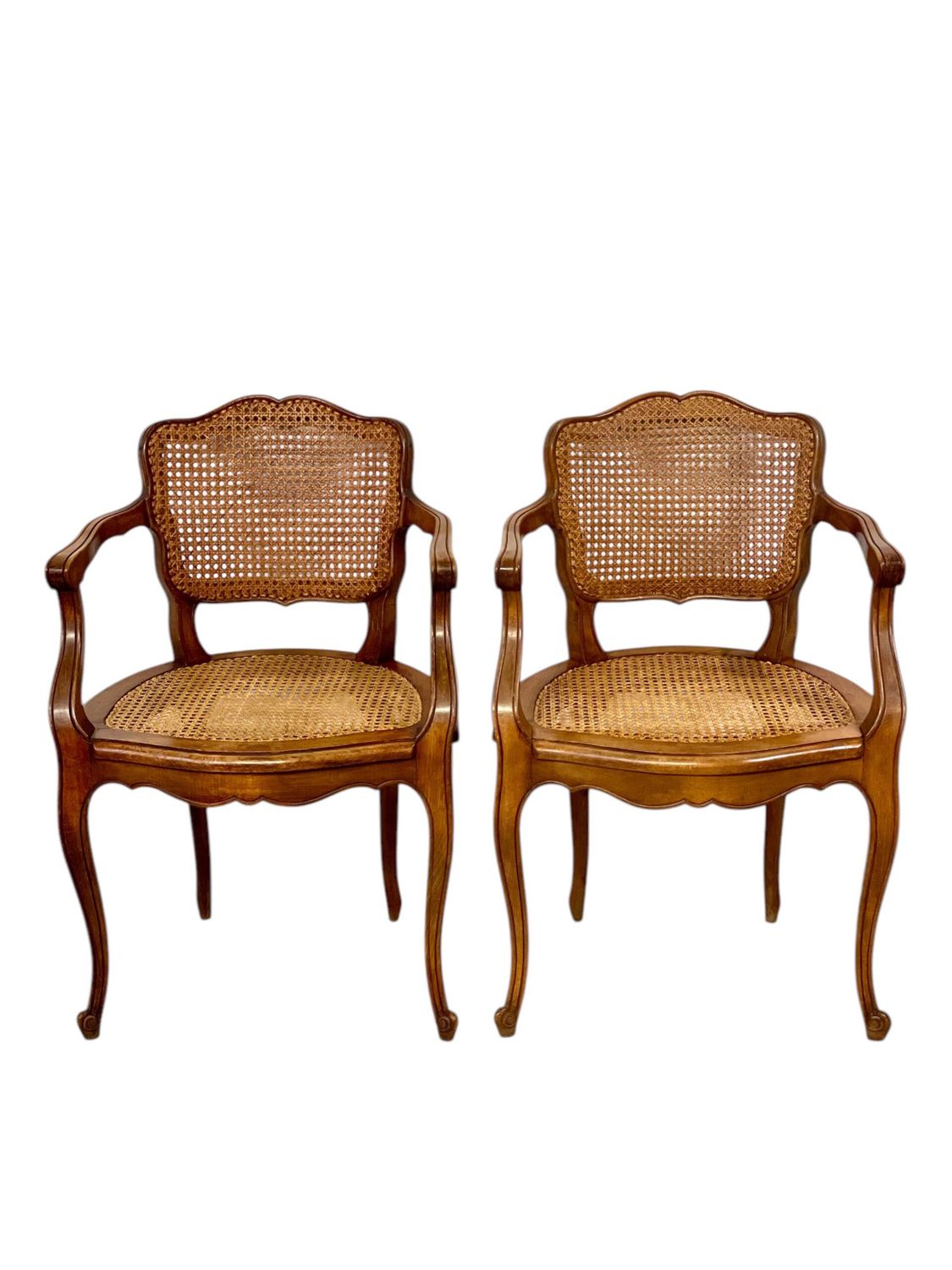
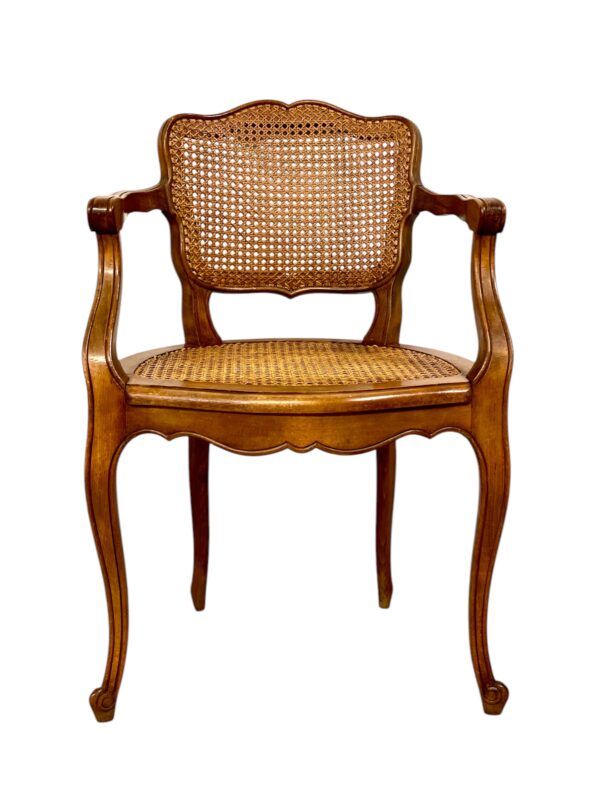
Early 20th century Pair of Louis XV Style Caned Fauteuils
SKU 00192
1 970.00€
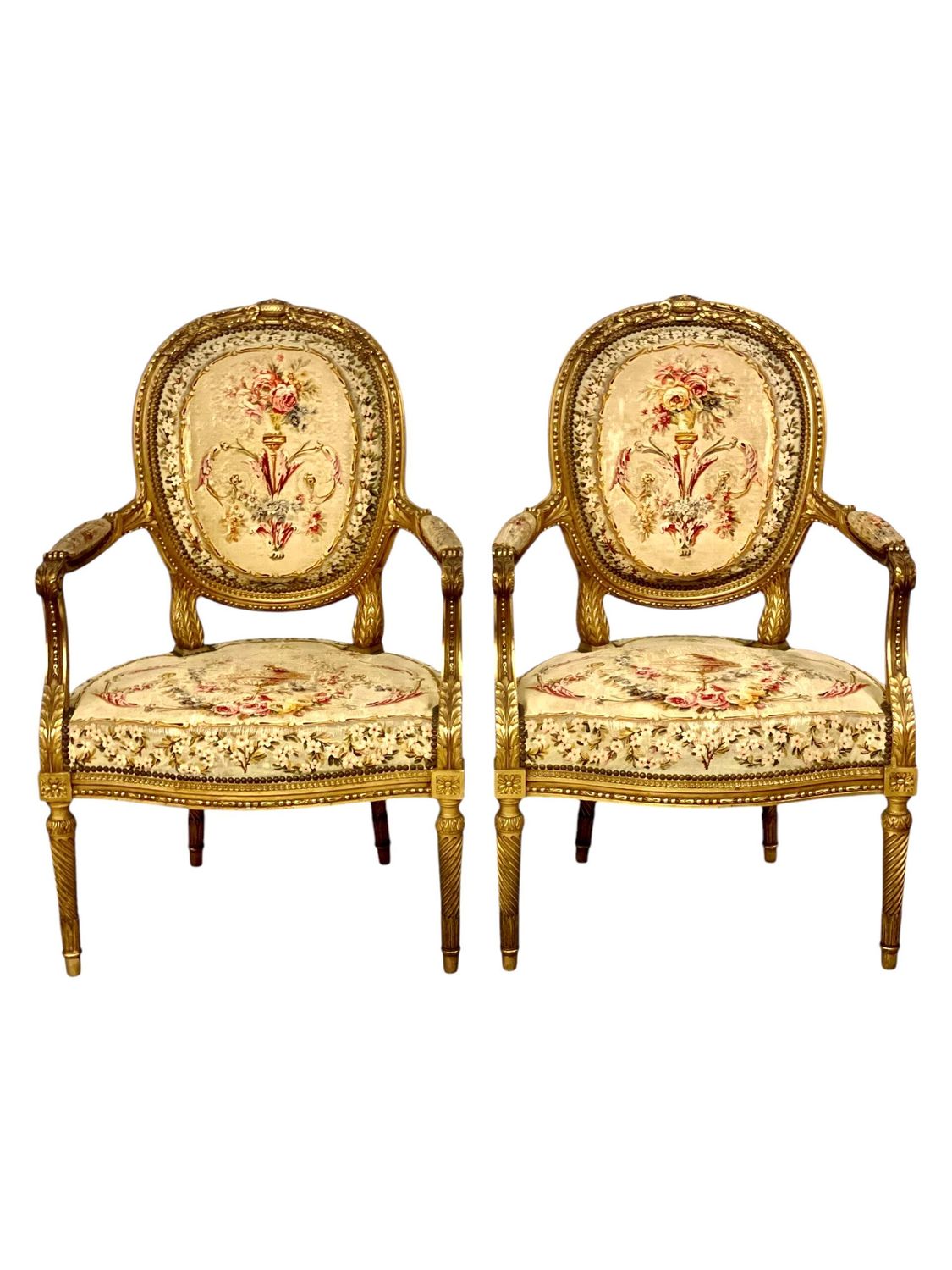

Pair of Opulent Giltwood Fauteuils 19th Century
SKU 00195
Out of Stock
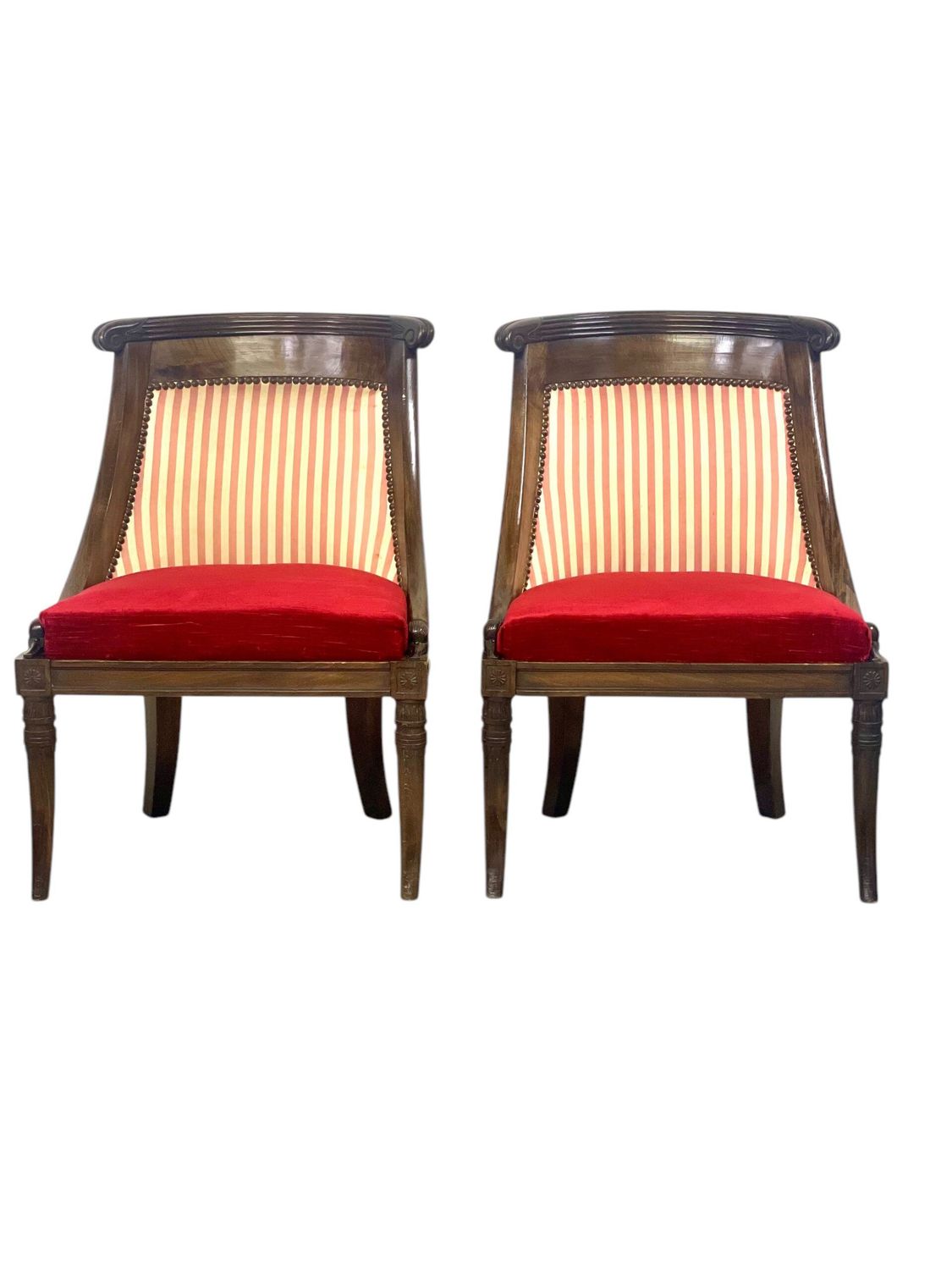
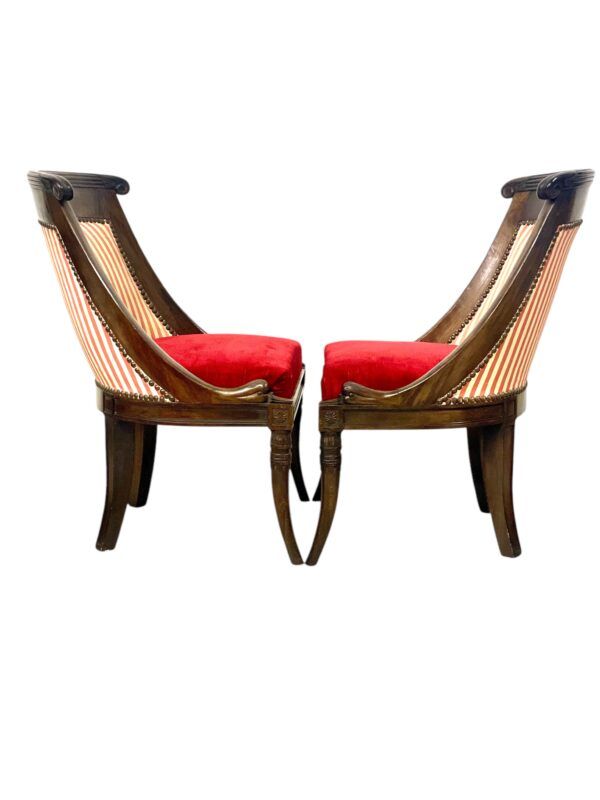
Pair of Empire Period Gondola Children Chairs
SKU 00201
Out of Stock
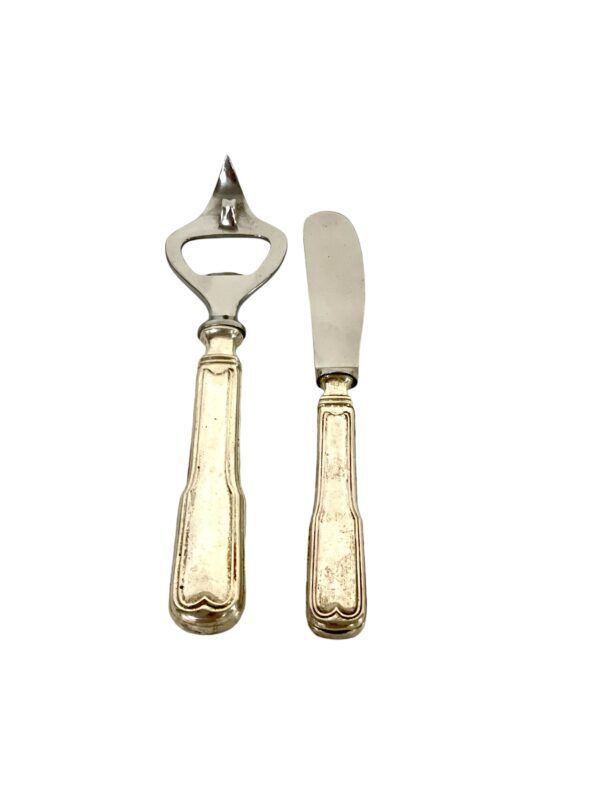
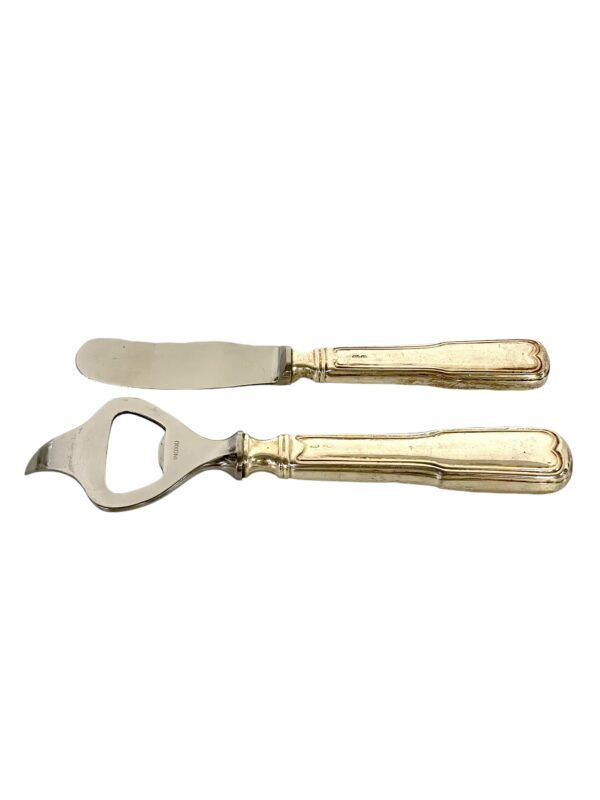
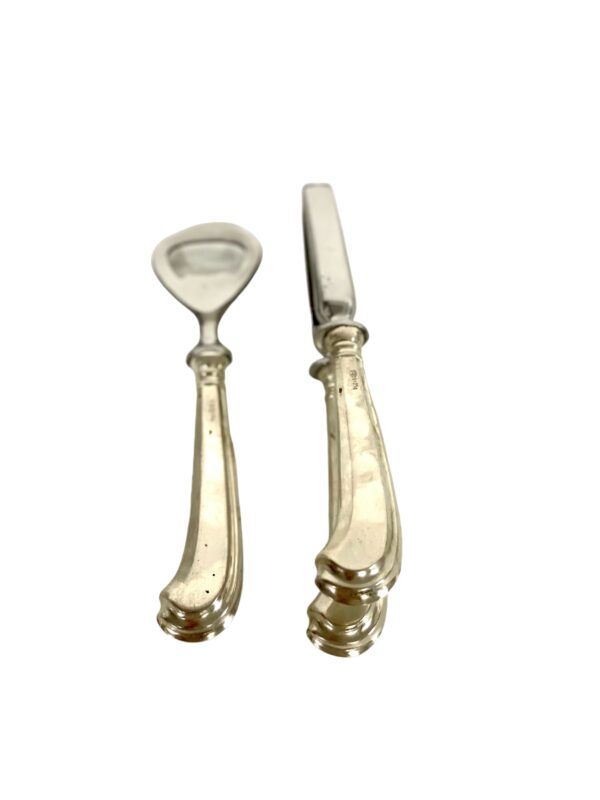
Vintage Italian Silver-Plated Bottle Opener and Butter Knife Duo
SKU 00219
1 200.00€
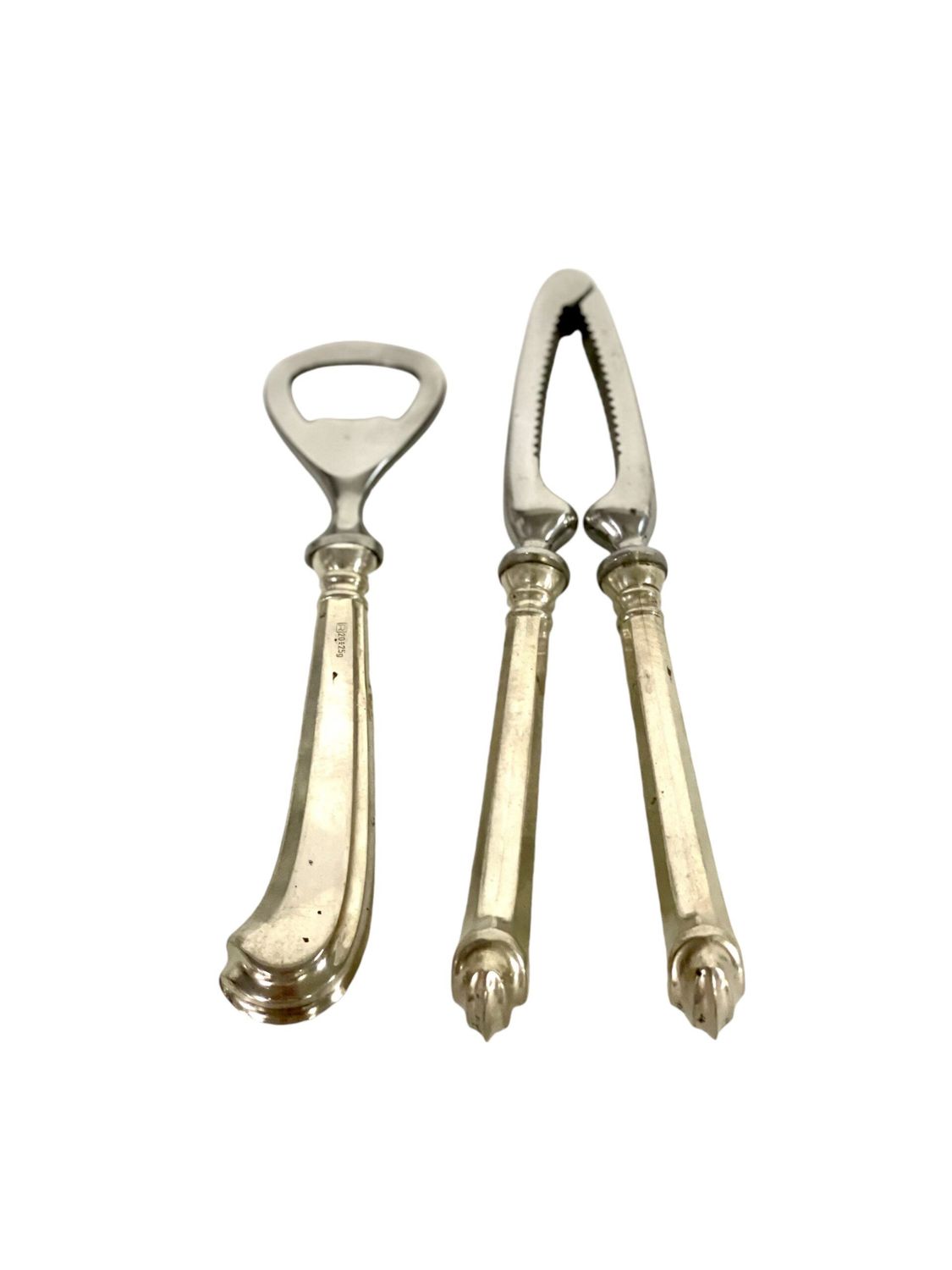
Vintage Italian Silver-Plated Bottle Opener and Nutcracker Duo
SKU 00218
790.00€
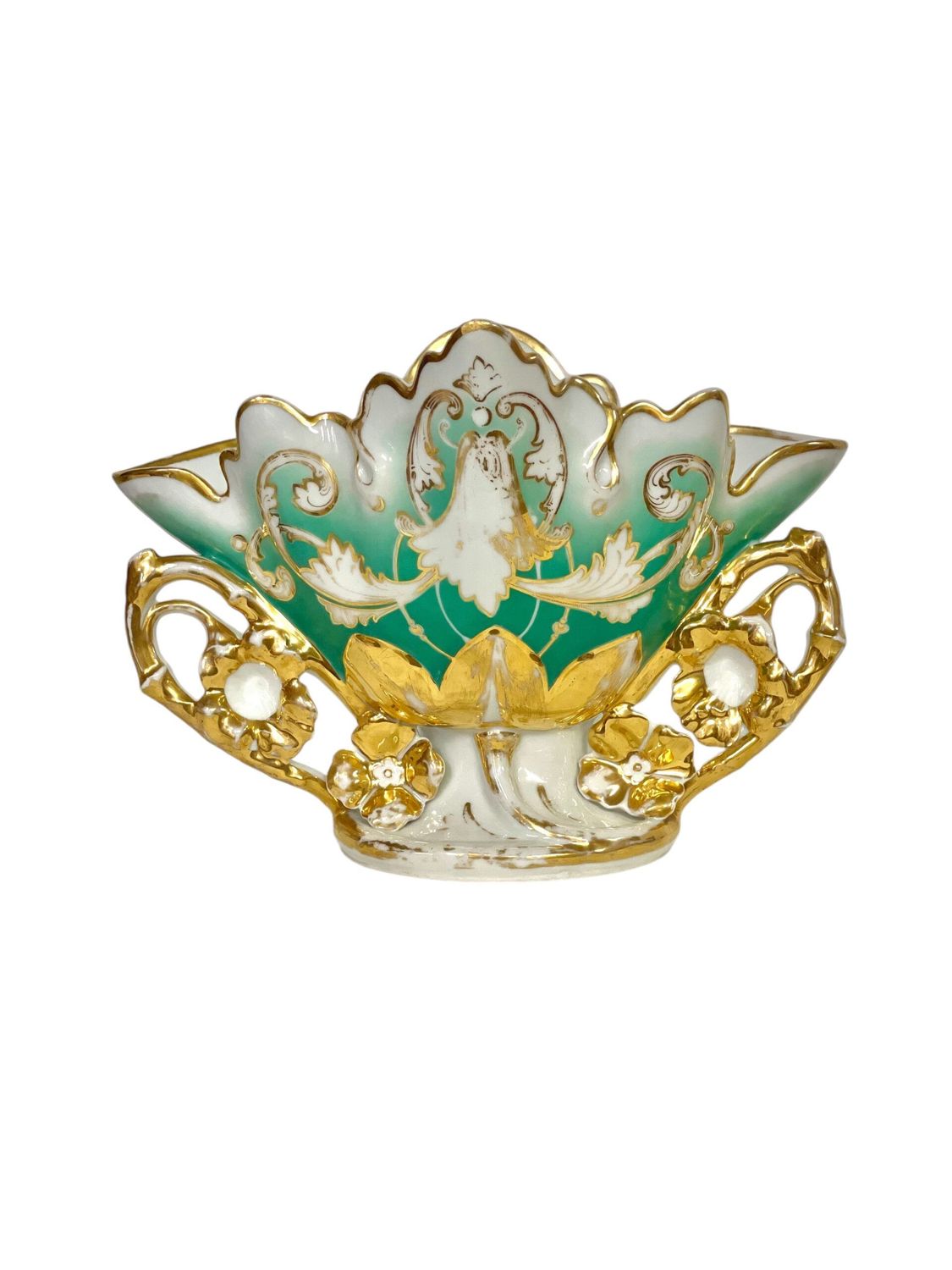
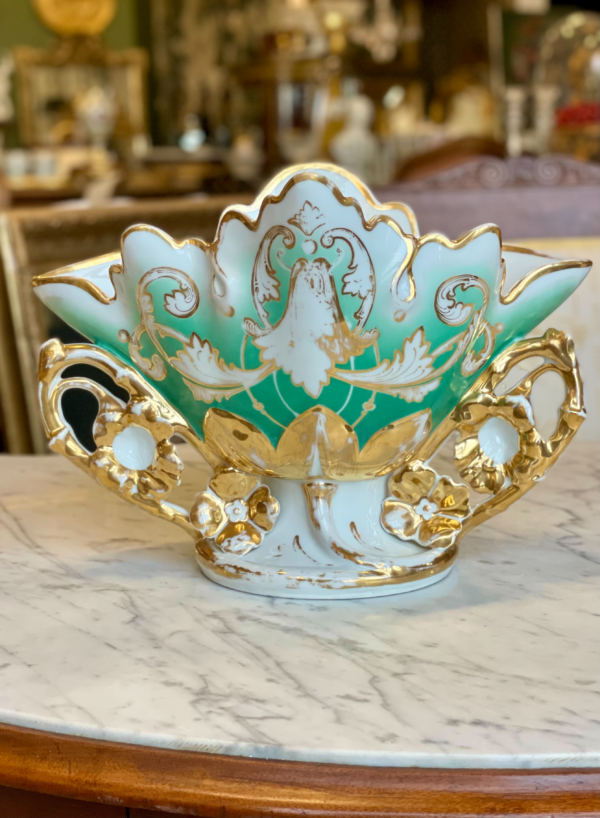
19th Century Gold and Polychromed Paris Porcelain Vase
SKU 00217
1 150.00€
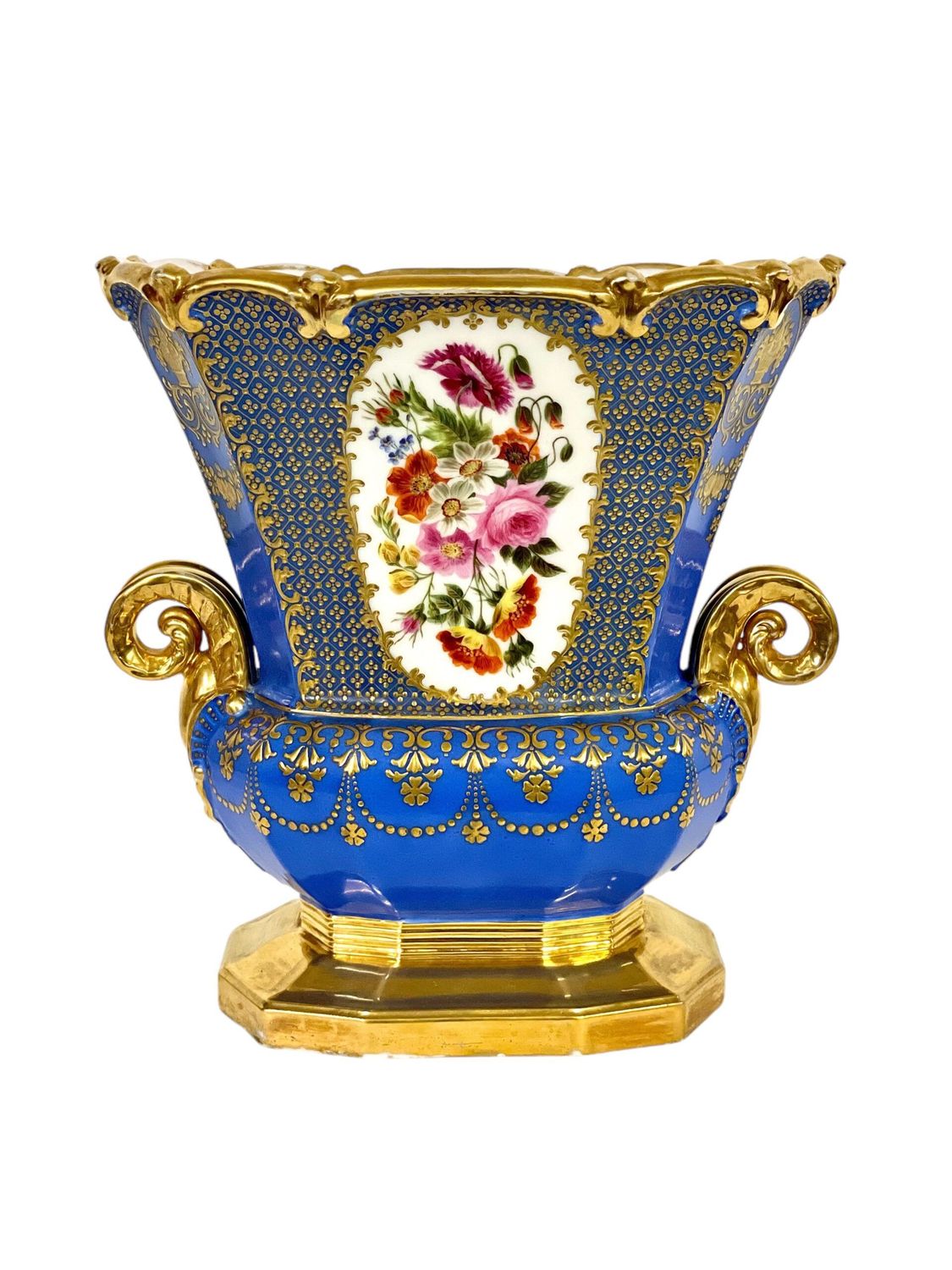
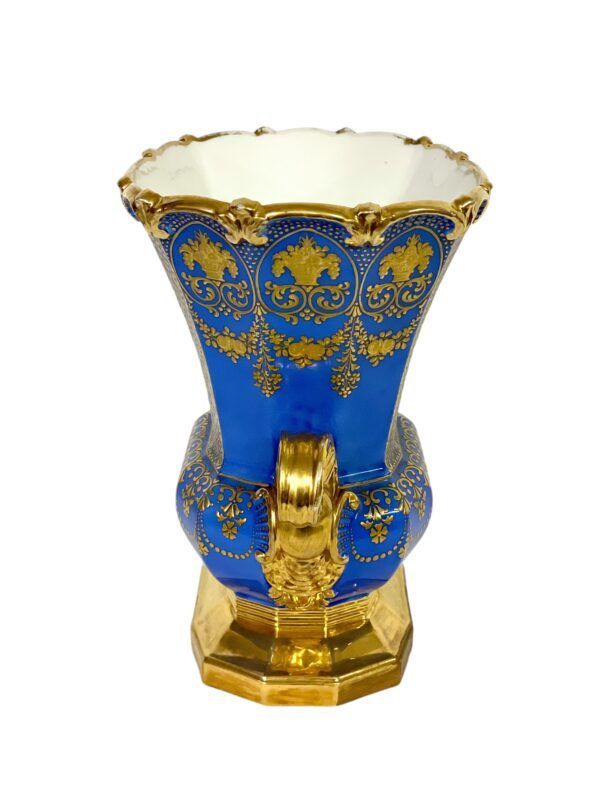
19th Century Large Opulent Cobalt Blue Porcelaine de Paris Vase
SKU 00221
1 890.00€
View more